Overview of Why GLP-1s aren't lowering employers' costs
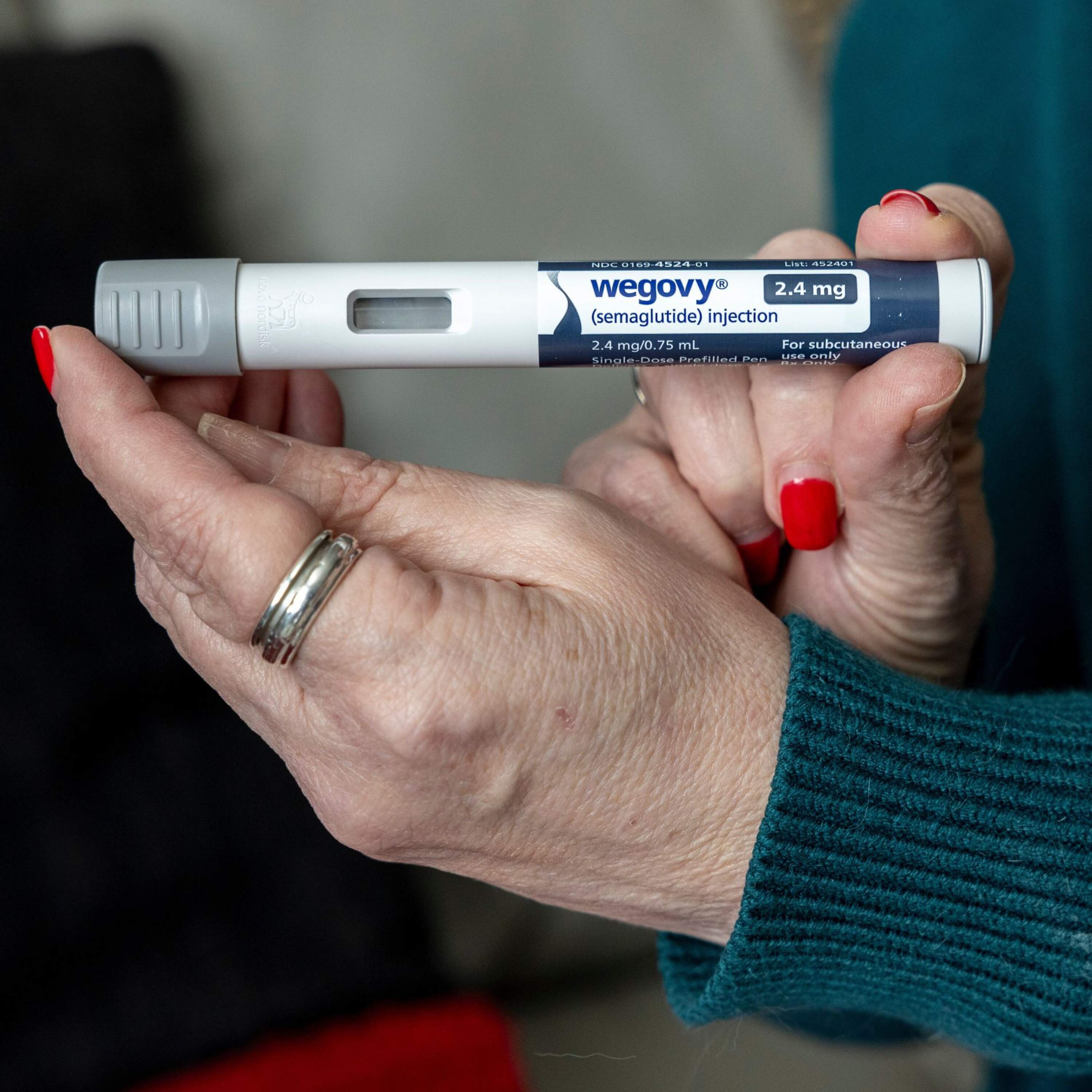
This NPR Indicator from Planet Money episode examines whether covering GLP-1 weight-loss drugs like Ozempic, Wegovy, and Zepbound actually saves employers money over time. Through the story of Nick Miller, a Connecticut state employee whose life improved dramatically on the medication, the episode explores the appeal of employer coverage, the health benefits employees can experience, and the surprising conclusion: for now, these drugs generally do not reduce overall employer health costs.
The Personal Story: Nick Miller
- Nick Miller struggled with severe obesity and what he called constant “food noise.”
- After starting Ozempic, he felt almost immediate relief and described it as mental silence.
- His employer-sponsored health plan covered the medication, which made treatment affordable for him.
- Nick’s case shows the potential of GLP-1s to improve quality of life, reduce shame, and help people regain control over eating and health.
Why Employers Cover GLP-1s
- Most working-age Americans get health coverage through employers.
- Despite that, only about 20% of employer health plans cover GLP-1s for weight loss.
- Employers that do cover them often hope the drugs will:
- reduce obesity-related complications,
- prevent expensive conditions like diabetes and heart disease,
- and eventually lower overall medical claims.
Why the Cost Savings Usually Don’t Materialize
The episode features Brown University health economist Chris Whaley, who says the “pay for itself” theory does not hold up in current studies.
Main reasons:
- The drugs are expensive
- Cash prices can reach around $1,700 a month.
- Employers either absorb this cost or pass it on through wages/premiums.
- Administration costs add up
- Many employers hire outside firms to manage eligibility and monitoring programs.
- Savings may happen too late
- Major health benefits often appear years later, when the worker may no longer be on that employer’s plan.
- Healthier people still use health care
- Even if obesity improves, employees may still generate claims for other medical needs and injuries.
The “Gate” Strategy
- Nick’s employer, the State of Connecticut, uses a managed-access model.
- Employees have to meet requirements like:
- weighing in,
- tracking food and exercise,
- getting labs,
- and meeting with clinicians.
- This restricts access to those most likely to benefit.
- The episode suggests that the plan’s spending slowdown comes more from limiting enrollment than from long-term medical savings.
Key Takeaways
- GLP-1s can be life-changing medically and psychologically for people with obesity.
- But the current business case for employers is weak: better health does not automatically mean lower costs.
- Employers may still choose to cover the drugs for reasons other than savings, such as employee well-being, retention, or broader health goals.
- The cost equation could change in the future if GLP-1 prices fall, similar to how cholesterol drugs eventually became much cheaper and widely covered.
Bottom Line
The episode’s central conclusion is that covering GLP-1s is often worth it for the patient, but not yet a reliable cost-saving strategy for employers. The health benefits are real, but the financial payoff is not guaranteed.