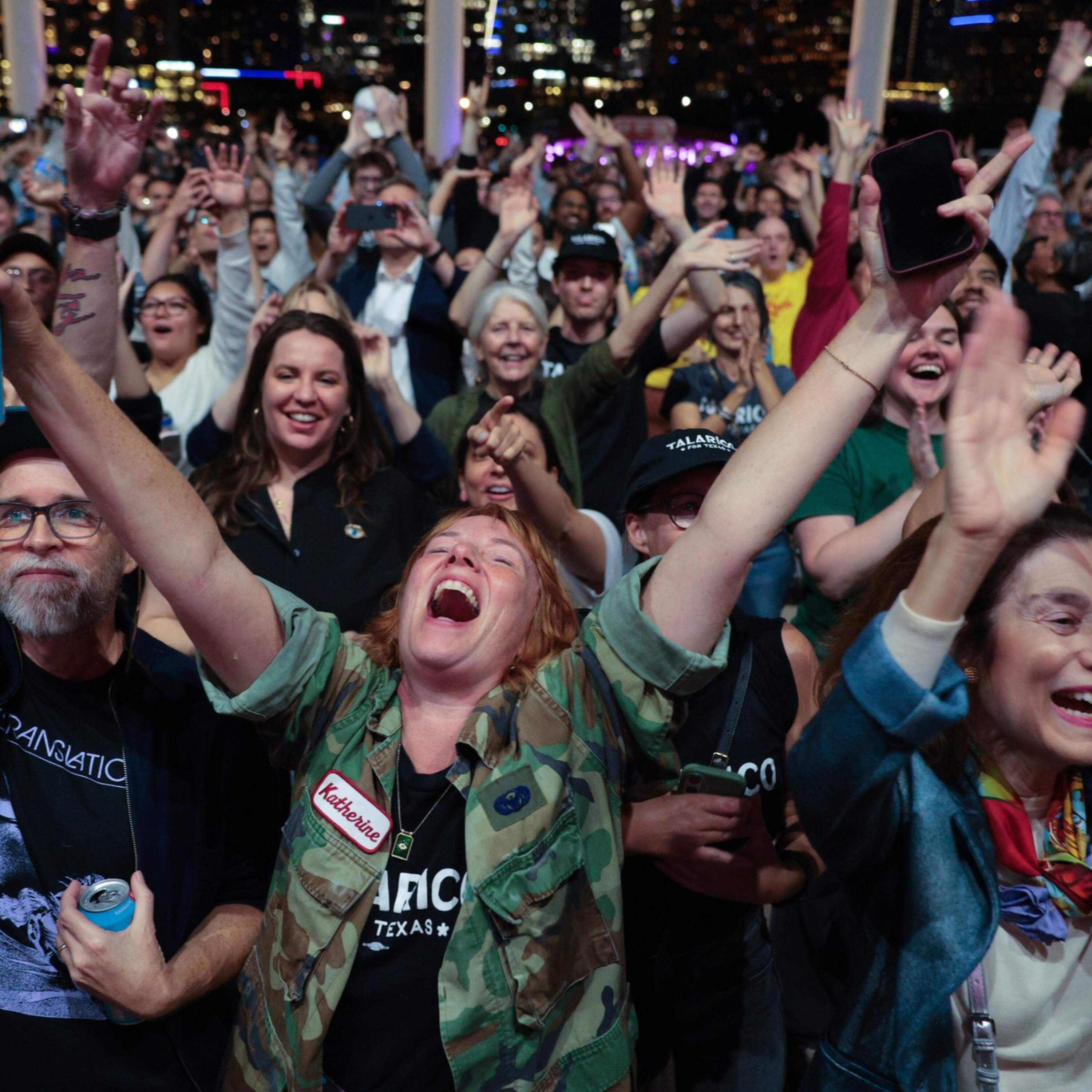
Overview of Why data centers and Musk lost but billionaires won the midterms
This NPR Indicator episode breaks down the economic and political lessons of the midterms, focusing on three big forces: public backlash against data centers, Elon Musk’s expensive and largely unsuccessful political spending, and a California ballot fight in which wealthy donors successfully helped defeat a proposed billionaire wealth tax. The conversation suggests that while voters are increasingly skeptical of AI infrastructure and concentrated tech power, billionaires still have outsized influence when they organize effectively.
Key Takeaways
-
Data centers became a political liability
- Voters across the country signaled strong opposition to new data centers in their communities.
- An ABC News poll found 76% of voters opposed building data centers nearby.
- A polling firm tracking local measures found 44 of 45 anti-data-center ballot measures passed.
- These measures ranged from outright moratoriums to limits on power usage.
-
The midterms may slow AI infrastructure expansion
- The episode frames the elections as a kind of referendum on the physical footprint of the AI boom.
- Local resistance and new state-level skepticism could make it harder for tech companies to expand data center capacity.
-
Elon Musk spent heavily, but his side mostly lost
- Musk reportedly spent around $500 million backing Republican candidates.
- He poured over $200 million into Texas races alone.
- Despite his spending, most of the candidates he supported lost, including high-profile Texas races.
-
California billionaires successfully defeated a wealth tax proposal
- A proposed ballot measure would have imposed a one-time 5% wealth tax on billionaire assets.
- Supporters said it could have raised about $100 billion for health care, food assistance, and education.
- Wealthy donors, including Sergey Brin, helped fund a major opposition effort that appears to have worked.
- The opposition campaign reportedly spent over $300 million to defeat the measure.
Major Topics Discussed
Data centers and local backlash
- Data centers are increasingly seen as symbols of the AI boom’s costs: energy use, land use, and pressure on communities.
- The hosts note that even some politicians were already trying to blunt backlash before the election.
- Example: Texas Governor Greg Abbott paused permits for new data centers, but the incoming political environment may be even less friendly.
Musk, campaign spending, and limits of money in politics
- Musk’s spending in Texas and elsewhere did not translate into broad electoral success.
- The hosts note that billionaire spending can still shape the conversation, even when it does not guarantee wins.
- They also point out that opponents were not completely outspent by one side alone; some Democratic-backed candidates also had billionaire support.
The billionaire wealth-tax fight in California
- The episode highlights a sophisticated anti-tax campaign by wealthy donors.
- The opposition didn’t just fund ads; it also helped put forward competing ballot measures designed to confuse or neutralize the original proposal.
- Those countermeasures, labeled Prop 41 and Prop 42, were intended to undercut or permanently block future wealth taxes.
Notable Insights
-
Public sentiment appears to be shifting against AI infrastructure
The backlash to data centers suggests that the political costs of the AI boom may be rising, especially at the local level. -
Money still matters, but not always in the way donors expect
Musk’s spending showed that vast sums can buy attention and influence, but not necessarily electoral victory. -
Billionaires can still win when they act collectively
The California wealth-tax fight shows that wealthy donors can still be highly effective when they coordinate resources and messaging. -
Ballot design itself can be a political tool
Putting multiple, similar-sounding measures on the ballot can shape voter behavior and undermine a proposal without directly defeating it in debate.
Bottom Line
The episode argues that the midterms exposed two competing realities: ordinary voters are increasingly resistant to the costs of AI infrastructure and billionaire influence, but billionaires remain powerful when they organize strategically. Data centers and Musk took political hits, while California’s wealthy elite managed to protect their interests and defeat a tax aimed at them.
Credits Mentioned in the Episode
- Produced by Skylar Swenson
- Engineering by Robert Rodriguez
- Fact-checking by Leila Dose
- Edited by Kate Kincannon
- Produced by NPR’s The Indicator