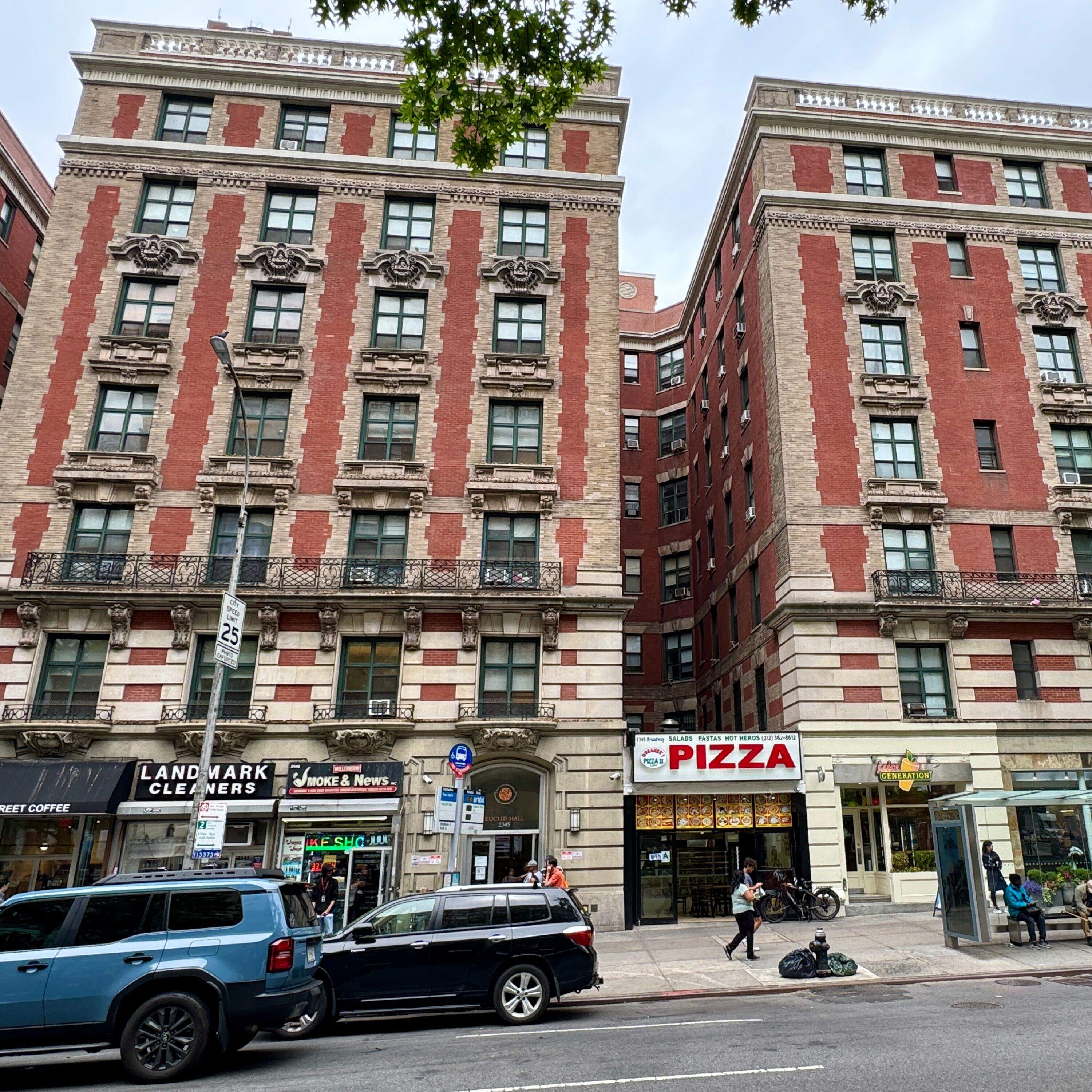
Overview of Why boardinghouses could make a comeback
This NPR Indicator from Planet Money episode examines whether boarding houses — also called single-room occupancy buildings, or SROs — could help address homelessness and the lack of truly affordable housing in U.S. cities. Using New York’s Euclid Hall and resident Vera Hill as a real-world example, the episode traces how these once-common housing options vanished through urban renewal and regulation, and why some policymakers now see them as a needed “missing rung” on the housing ladder.
What boarding houses / SROs are
- SROs are small, low-cost units that typically provide:
- a private room
- shared bathrooms and sometimes shared kitchens
- Historically, they ranged from:
- basic long-term hotel rooms
- dorm-like arrangements
- extremely bare-bones “cubicle” rooms
- They were once a major source of cheap urban housing for workers, immigrants, and low-income residents.
Vera Hill’s story: a modern example
- Vera Hill, 77, lives at Euclid Hall in New York City, run by the West Side Federation for Senior and Supportive Housing.
- She previously worked in healthcare at Mount Sinai, rising through several roles before financial strain pushed her into a shelter.
- Euclid Hall gave her:
- stability
- a friendly community
- support services
- She likes the housing, though she notes a major limitation:
- shared bathrooms
- no private kitchen in her room
How SROs became widespread
- SROs expanded in the late 19th and early 20th centuries as cities grew rapidly.
- They were especially common after:
- the Civil War
- increased immigration
- rural-to-urban migration
- In the 1950s, New York had more than 200,000 SRO units, accounting for over 10% of the city’s rental housing stock.
- Similar patterns existed in cities like Chicago and San Francisco.
Why they disappeared
The episode argues that SROs were not simply abandoned — they were actively dismantled.
Main reasons for decline
- Urban renewal policies encouraged landlords to convert or demolish them.
- Cities imposed stricter housing codes around:
- sunlight
- heating
- fire safety
- minimum unit sizes
- Many buildings were seen as:
- unsafe
- unsanitary
- associated with crime or disorder
- Critics argue the destruction was also shaped by:
- class bias
- racism
- “not in my backyard” pressures
Notable example: the International Hotel
- In 1977, police evicted more than 100 tenants from San Francisco’s International Hotel.
- The residents were mostly elderly Filipino and Chinese people.
- The standoff became a symbol of the broader destruction of SRO housing.
Connection to homelessness
- The episode emphasizes that the loss of SROs contributed to homelessness.
- A congressional report after the International Hotel evictions recognized that SRO closures were increasing homelessness.
- Rebecca Baird-Remba, a housing reporter, notes that:
- about half of men entering New York homeless shelters in the 1980s had previously lived in SROs
- The episode also mentions other homelessness drivers, including:
- deinstitutionalization of psychiatric hospitals
- reduced federal responsibility for mental health care
- Still, the loss of cheap housing is presented as a major factor.
Could boarding houses make a comeback?
The episode suggests that SROs could help fill a major gap in the housing market, especially for people who need:
- low-cost, short-term housing
- a place to live independently before moving to something more permanent
- supportive housing with services nearby
Why supporters like the idea
- SROs can be built relatively inexpensively.
- They could offer a lower barrier to entry than standard apartments.
- They may be especially useful for:
- younger adults
- middle-aged people
- people transitioning out of homelessness
Signs of renewed interest
- Some states, including Washington and Oregon, have taken steps to legalize more shared housing.
- New York City has also discussed bringing back more shared housing in housing plans.
Limits and drawbacks
The episode is careful not to romanticize SROs.
Concerns raised by Paul Freitag
- He supports SROs in principle, but says they are difficult for aging residents because:
- people may need walkers, special beds, or home health aides
- shared, dense living makes care harder
- communicable diseases spread more easily
- COVID and flu underscored these risks.
Bottom line
- SROs are not ideal for everyone, especially older adults with medical needs.
- But they may still be a valuable housing option for people who need affordable shelter now.
Key takeaway
The episode’s central argument is that the U.S. lost a crucial, very cheap housing type that once helped prevent homelessness. While boarding houses are not a universal solution, bringing back modern versions of SROs could provide an important, lower-cost step on the housing ladder for people who otherwise might end up in shelters or on the street.