Overview of NPR’s “Which jobs are future-proofed?”
This episode of The Indicator from Planet Money explores how the U.S. Bureau of Labor Statistics (BLS) predicts which jobs will grow or shrink over the next decade, and how reliable those forecasts really are. Prompted by a listener’s question, the hosts break down the BLS’s Occupational Outlook Handbook, explain the agency’s methodology, and review research showing that the projections are surprisingly useful—though not perfect.
What the episode is about
The show starts with the latest monthly jobs report, then zooms out to a bigger question: if someone is choosing a career today, how much can they trust government job-growth forecasts?
The BLS’s Occupational Outlook Handbook is presented as a kind of “jobs crystal ball,” giving information such as:
- median wages
- where jobs are concentrated geographically
- projected growth or decline over 10 years
The listener’s job, information security analyst, is used as an example of a role the BLS expects to grow strongly because cyberattacks are increasing.
How the BLS makes its projections
BLS economist Sarah Mattson explains that the agency is not predicting the future by magic. Instead, it:
- starts with broad demographic and economic trends
- looks at historical employment patterns by industry and occupation
- adjusts forecasts for emerging changes that historical data alone can’t capture
Important limitation
The BLS is good at projecting slow-moving trends, but it can miss truly new shifts, such as the rapid rise of AI, which doesn’t have much historical precedent.
How accurate the projections are
The episode cites research by economist Maxime Massinko (now at Anthropic), who studied decades of BLS forecasts from the 1940s through the 1990s.
Main findings
- Jobs in the top third of projected growth categories grew by about 57% over two decades
- Jobs in the bottom third grew by only about 12%
- Overall, BLS projections are strongly correlated with real job outcomes
- In a recent evaluation, the BLS correctly predicted whether occupational groups would grow or shrink almost 70% of the time
What that means
A lot of the predictive power comes from simply extending existing trends—but the BLS still adds value beyond that baseline.
Notable examples mentioned
Jobs the BLS expects to grow
- Nurse practitioners
- Solar photovoltaic installers
- Wind turbine service technicians
- Information security analysts
Jobs expected to decline
- Tellers
- Desktop publishers
- Bill and account collectors
Historical examples of forecasts
- More archaeologists predicted during the highway boom of the 1950s and 1960s
- More veterinarians predicted as suburban pet ownership rose
- Fewer barbers predicted in the 1970s as men’s hair grew longer
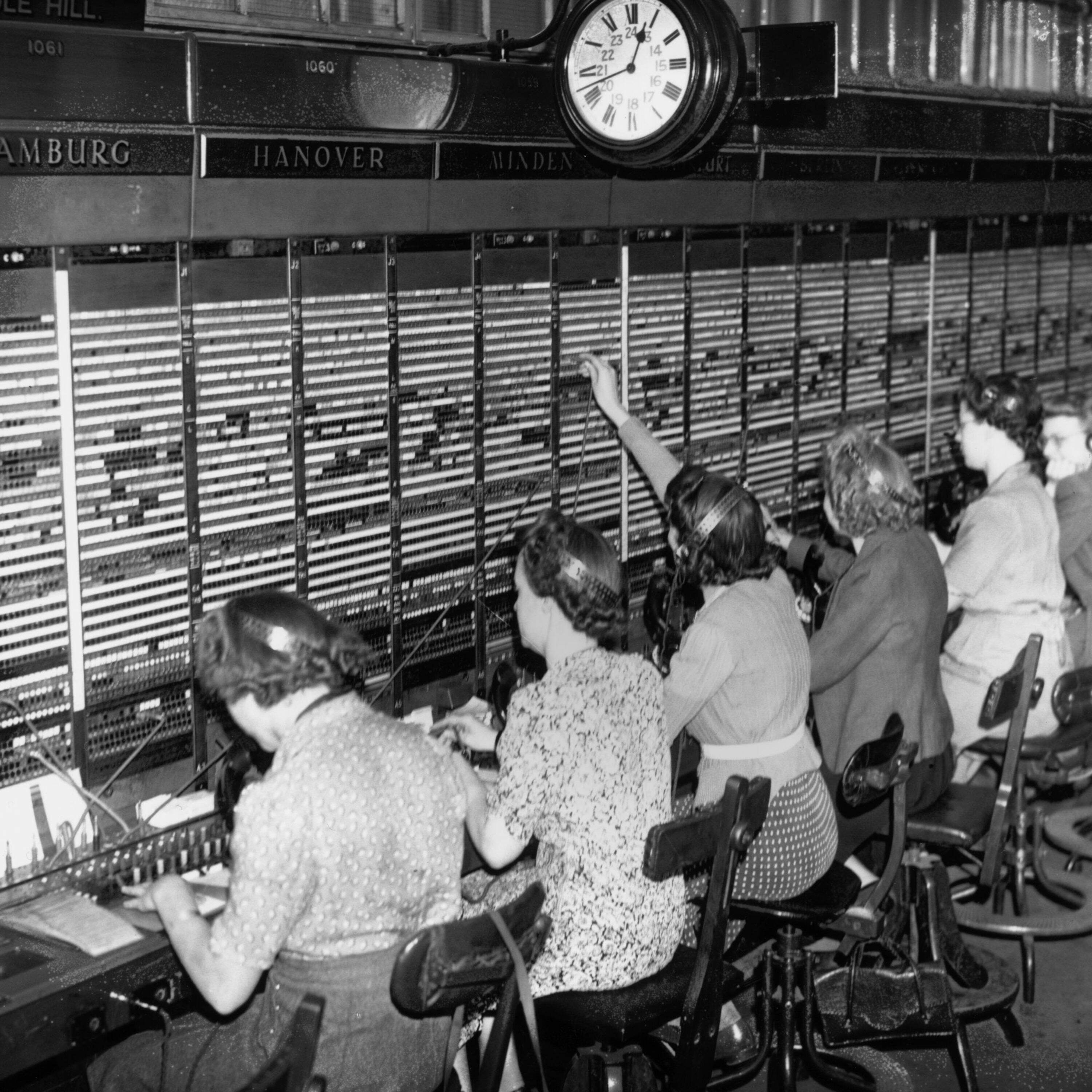
- A now-funny historical forecast: a relatively optimistic outlook for telegraph operators
Main takeaway
The BLS’s job forecasts are not perfect, but they are meaningfully useful for career planning. They generally do a good job of identifying which occupations are likely to expand or contract, especially when changes are gradual and supported by longer-term trends.
For listeners like the featured cybersecurity engineer, the message is reassuring: the BLS’s outlooks are a solid guide, especially for understanding long-term labor-market direction.
Additional note
The episode closes by inviting listeners to submit their own questions to The Indicator and briefly credits the production team.