Overview of The case for sharing your salary
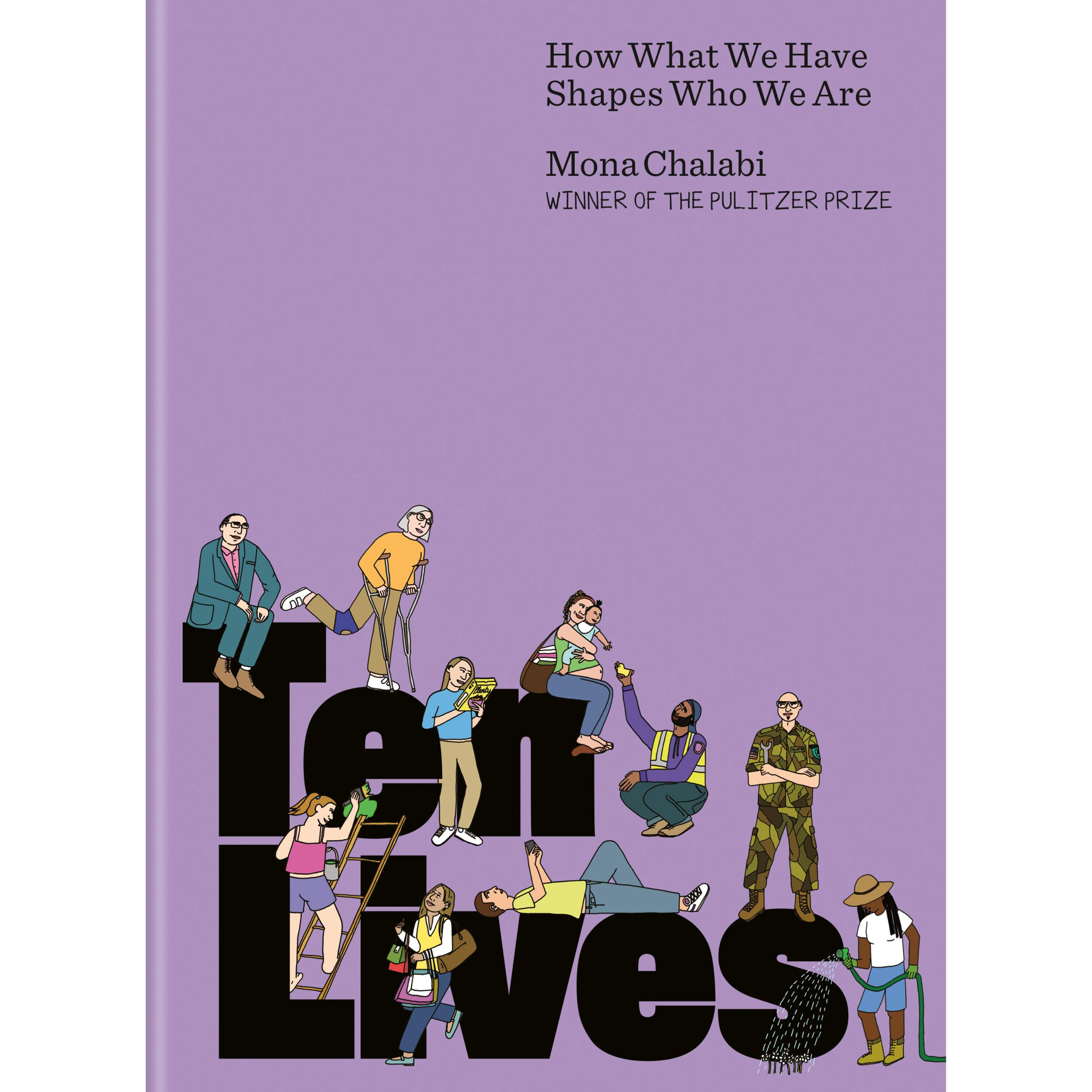
This NPR Indicator episode explores why Americans are often uncomfortable talking about income and class, and why that secrecy may be holding back more honest conversations about inequality. Host Adrian Ma speaks with data journalist Mona Chalabi about her upcoming book, Ten Lives: How What We Have Shapes Who We Are, which uses interviews, statistics, and personal disclosure to show how money shapes identity, opportunity, and anxiety across the income spectrum.
Main Takeaways
-
Talking about money remains taboo in the U.S.
- Even though many people identify as middle class, that label can hide major differences in actual financial security.
- The hosts note that people often avoid saying how much they earn because income feels deeply personal and socially risky.
-
Mona Chalabi argues that class should be discussed more openly
- She believes income should be part of how people understand their identities, alongside race, gender, religion, and nationality.
- In her view, Americans are often not being fully honest about their economic circumstances.
-
Her book centers on 10 Americans across the income ladder
- Chalabi followed people from the bottom 10% to the top 10% of earners.
- The goal was to move beyond abstract discussions of “the 1%” and show how class operates in everyday life.
-
Financial insecurity affects people at every income level
- Even wealthy people worry about money because life is unpredictable and costs like housing and health care are high.
- Common events such as divorce, medical bills, or job loss can rapidly change someone’s financial situation.
-
Class conversations can shape political and policy views
- Chalabi suggests that people’s experiences with money influence which public programs they value most.
- She uses this to argue for more nuanced, less ideologically simplistic conversations about taxes, government spending, and economic power.
Notable Insights
“Middle class” can be a convenient label
Chalabi argues that many people use “middle class” as a way to avoid discussing their actual financial position, which can obscure real differences in wealth and security.
Money shapes outcomes more than many identity labels
She suggests that economic status can have a bigger impact on life outcomes than some of the other categories people commonly use to define themselves.
Transparency can be intellectually honest, even if uncomfortable
Chalabi includes her own income and background in the book because she felt it would be dishonest to ask others to share their finances without doing the same.
The Book’s Broader Message
Ten Lives is not just about income inequality at the extremes. It argues that:
- class is more complicated than “rich vs. poor,”
- financial vulnerability is widespread, and
- people should talk more specifically about money rather than hiding behind broad labels.
Recommended Action Items
-
Be more direct about income when relevant
- With friends, family, and coworkers, consider talking more openly about salary and financial pressures.
-
Use more precise language than “middle class”
- Instead of relying on a vague label, think about actual income, wealth, debt, and security.
-
Think about class as part of identity
- Recognize that money influences life chances, political priorities, and day-to-day choices.
Episode Credits
- Guest: Mona Chalabi
- Book: Ten Lives: How What We Have Shapes Who We Are
- Producer: Julia Ritchie
- Engineer: Kweisi Lee
- Fact-check: Sierra Juarez
- Editor: Kagan Cannon