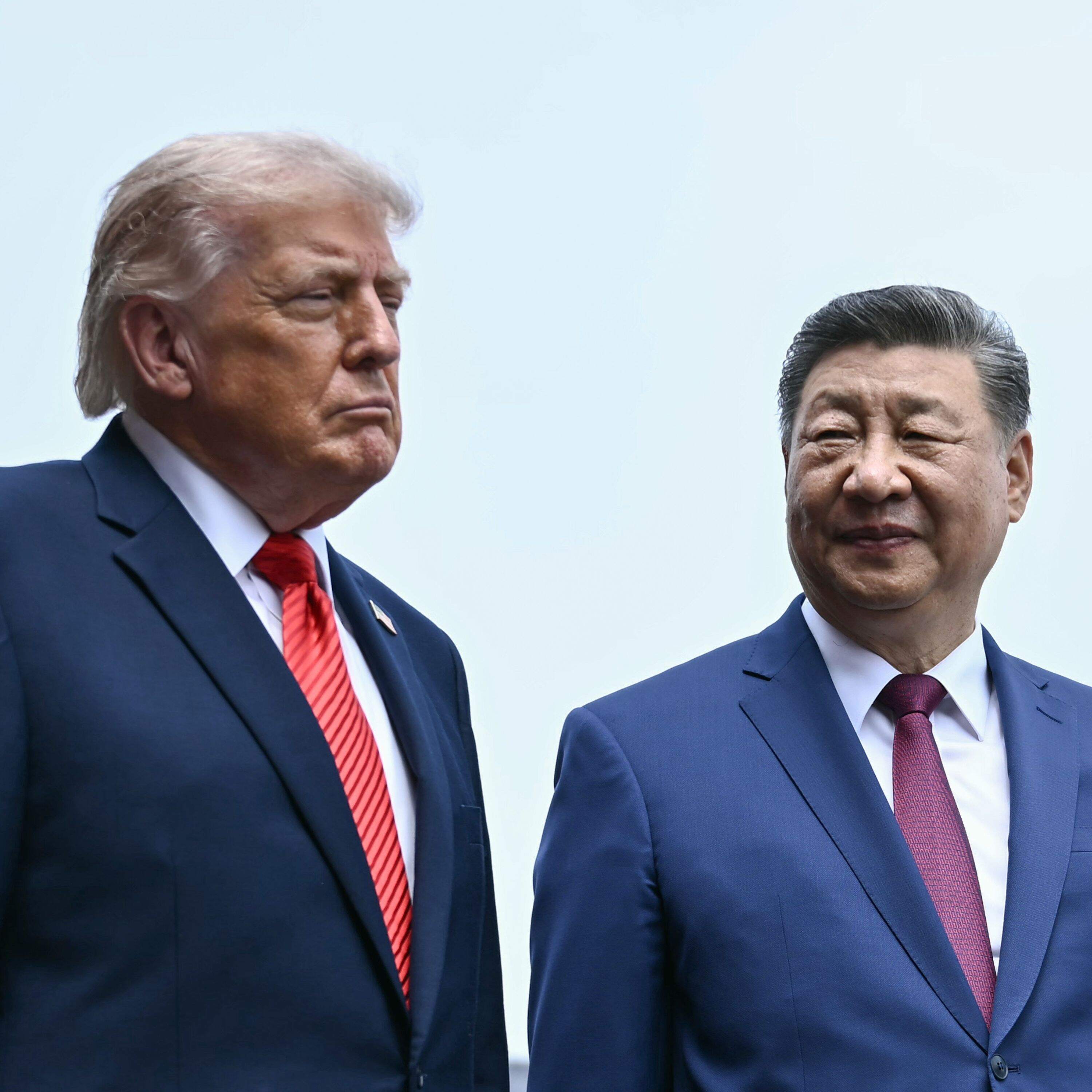
Overview of NPR’s The Indicator on Taiwan Arms Sales, Trade, and “China-maxing”
This episode breaks down three main takeaways from President Trump’s meeting with Chinese President Xi Jinping: why arms sales to Taiwan remain a flashpoint in U.S.-China relations, what a proposed new “Board of Trade” could mean for bilateral economic talks, and how the internet trend “China-maxing” reflects shifting attitudes toward China—especially among younger Americans.
Key Takeaways
- Taiwan remains one of the most sensitive issues in U.S.-China diplomacy.
- The Trump administration is considering a new trade mechanism focused on less politically charged goods.
- Public opinion toward China appears to be softening somewhat, even as tensions remain high.
- “China-maxing” has emerged as a social media trend tied to perceived Chinese lifestyle habits and a broader reappraisal of China’s image.
Taiwan Arms Sales: Why Xi Prioritized It
Historical context
- China claims Taiwan as part of its territory, rooted in centuries of Chinese rule and the unresolved split after the Chinese Civil War.
- After the communist victory in 1949, the Nationalist government retreated to Taiwan but maintained a claim to rule all of China.
- Today, Taiwan functions as a self-governing democracy, while Beijing continues to insist it belongs to China.
The U.S. balancing act
- The U.S. has long walked a careful line:
- It does not formally recognize Taiwan as an independent country.
- At the same time, the U.S. has supported Taiwan’s defense.
- A key point referenced in the episode is a 1982 Reagan-era assurance that the U.S. would not negotiate with China over arms sales to Taiwan.
- The episode suggests that recent delays or discussions around a large arms package to Taiwan appear, at least on the surface, to contradict that long-standing posture.
The Proposed “Board of Trade”
What it is
- The administration is reportedly proposing a new Board of Trade as a way to manage U.S.-China bilateral trade.
- This would focus on “non-sensitive” goods—items outside the most restricted tech categories like:
- AI chips
- Semiconductors
- other advanced strategic technologies
Why it matters
- These lower-stakes goods could still involve tens of billions of dollars in trade.
- The goal appears to be creating a space for pragmatic economic negotiation while leaving the most contentious issues tightly controlled.
- The episode notes this would resemble, in some ways, earlier bilateral mechanisms such as the Strategic Economic Dialogue, which existed under George W. Bush and Hu Jintao before falling apart during Trump’s first term.
Public Opinion: China’s Image Is Improving Slightly
Global and U.S. polling trends
- A Gallup poll cited in the episode found:
- 36% approval of China’s leadership
- 31% approval of U.S. leadership
- That marks one of the first recent moments where China’s leadership approval edged above the U.S.’s in the survey.
American views of China
- A Pew survey found 27% of Americans had a favorable view of China.
- While still low, that number has roughly doubled compared with three years ago.
Interpretation
- The hosts frame this as a possible sign that, despite ongoing geopolitical friction, China may be benefiting from a somewhat improved image in comparison with the U.S.
“China-maxing”: The Internet Trend Behind the Episode’s Title
What it means
- “China-maxing” is a social media trend, especially among younger Gen Z Americans, that involves adopting habits associated with Chinese culture or lifestyle.
- Examples mentioned include:
- wearing house slippers indoors
- using Chinese skincare routines
- drinking hot water
Why it matters
- Some people see it as:
- a playful or affectionate embrace of Chinese habits
- a reaction against negative portrayals of China
- a sign of frustration or disillusionment with American life
- Others see it as frivolous or potentially offensive.
- The episode suggests that, regardless of intent, the trend functions as a form of soft power win for China.
Overall Message
The episode argues that the latest Trump-Xi diplomacy is less about dramatic breakthroughs and more about careful management of tensions. Taiwan remains the hardest issue, trade is being channeled into more manageable categories, and public perceptions of China are shifting in ways that may help Beijing’s image—whether through policy, politics, or even internet culture.