Overview of Supercore inflation, Bumble valuation and Pooh's repatriation
This NPR Indicators of the Week segment uses three quirky data points to explain broader economic and cultural trends: inflation pressure in service industries, a sudden surge in Bumble’s stock after a buyout announcement, and a renewed debate over whether the original Winnie-the-Pooh stuffed animals should remain at the New York Public Library or be returned to England.
Key Indicators and What They Mean
1) “Supercore” inflation is still running hot
- The segment highlights 4.6% annualized supercore inflation over the past three months.
- “Supercore” refers to a narrower measure of inflation focused on certain services rather than goods or energy.
- Examples mentioned include:
- lawyers
- healthcare
- manicurists
- landscapers
- Why it matters:
- Service prices can reflect wage pressure more directly than goods prices.
- This helps economists assess whether wage gains are feeding into inflation.
- The tension:
- Wages rose about 3% over the past year, which is below the 4.6% supercore inflation rate.
- That means pay increases are not keeping up with the faster-growing cost of some services.
2) Bumble stock jumped 119% after a buyout bid
- Bumble’s stock rose 119% following a move to take the company private.
- The buyer is Ithaca Holdings, an investment group led by former executives from Meta and Instacart.
- The deal more than doubles the stock price compared with where it had been trading.
- A key theme discussed:
- Bumble has struggled with declining revenue and dating-app fatigue.
- The acquisition seems less like a turnaround in business performance and more like a financial bet on the company’s future.
- Notable strategic idea:
- The new owners argue that as AI grows, human relationships may become more valuable.
- Why going private matters:
- It frees the company from quarterly public-market scrutiny and gives management more room to restructure without constant shareholder pressure.
3) Winnie-the-Pooh turns 100, and the repatriation debate returns
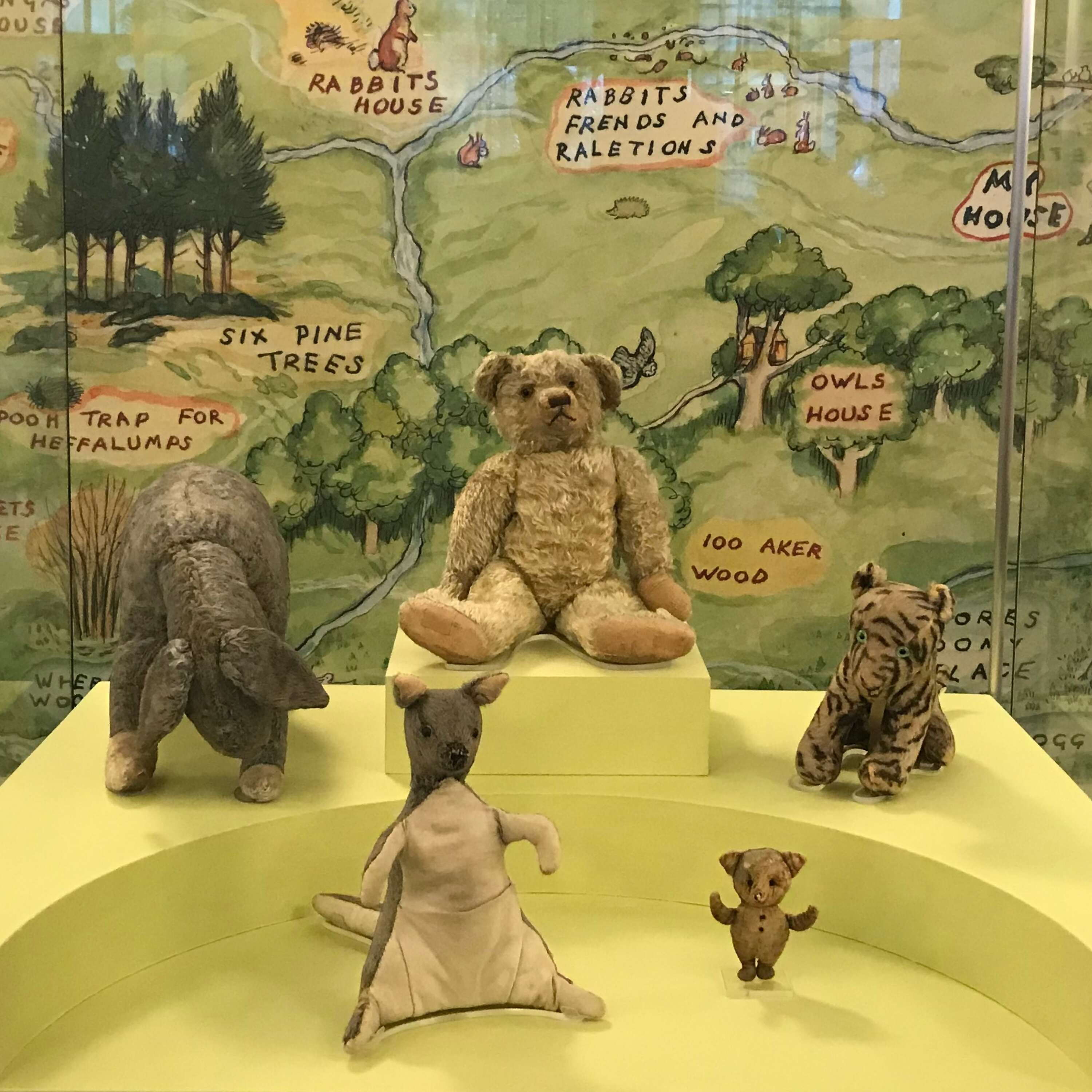
- The original Pooh bear and friends are being discussed because of the 100-year anniversary of Winnie-the-Pooh.
- The stuffed animals are housed at the New York Public Library, where they are a major attraction.
- The segment notes that there have been long-running requests from Britain to have them returned, or at least loaned back.
- Important backstory:
- The toys were owned by a publishing company before being donated to the library in 1987.
- The library has been reluctant to send them away because of their age and the huge number of visitors they draw.
- The discussion places Pooh in the broader context of contested cultural artifacts and repatriation debates, alongside items like the Elgin Marbles and the Benin Bronzes.
- The hosts also point listeners to the podcast/TV series Stuff the British Stole for more on disputed artifacts.
Main Takeaways
- Inflation is not just about headline numbers; service-sector price growth can reveal deeper wage-and-cost dynamics.
- Bumble’s stock rally shows how a company can see a huge valuation jump without a corresponding improvement in operations, simply because of a buyout.
- Winnie-the-Pooh’s 100th anniversary has revived a bigger question about who should control culturally important objects and whether historical ownership always justifies current possession.
Notable Framing and Tone
- The segment keeps a light, playful tone while discussing serious topics like inflation and artifact repatriation.
- It repeatedly contrasts economic abstractions with concrete, recognizable examples to make the data easier to understand.
- The Pooh discussion ends with a humorous but pointed suggestion: if England wants the stuffed animals back, it may need to make a serious offer.