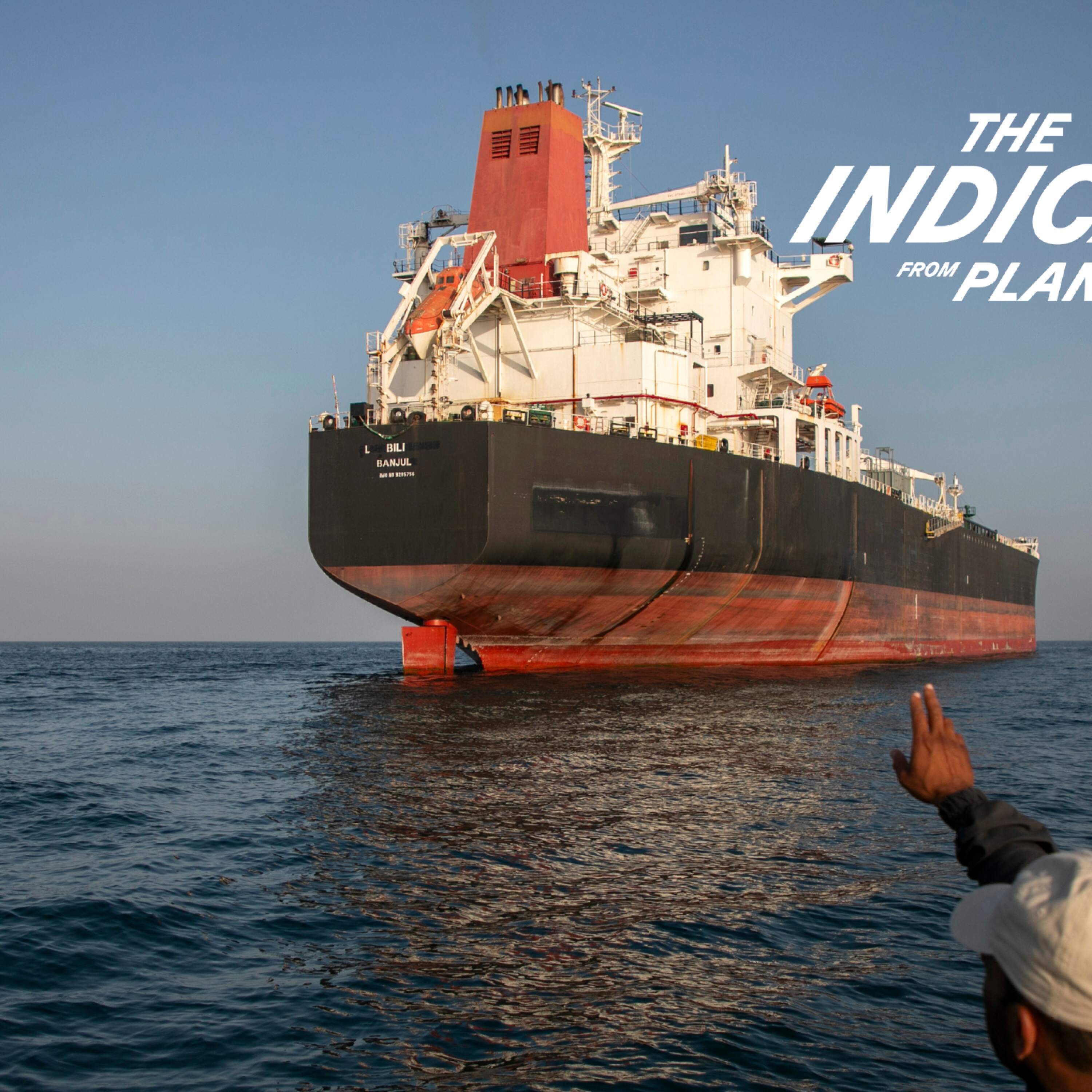
Overview of So ... how long until these oil prices get REALLY bad
This NPR Indicator from Planet Money episode looks at why oil prices have not surged to the extreme levels some analysts feared despite the ongoing Middle East conflict and disruptions tied to the Strait of Hormuz. The main takeaway: oil prices are being held down by a mix of U.S. fracking, strategic reserve releases, increased supply from other producers, and weakening global demand—but many of these buffers are temporary, so the situation could still turn worse if the conflict drags on.
Why oil prices are not at crisis levels yet
The episode breaks the current price stability down into four main forces:
1. U.S. fracking changed the global market
- The U.S. is now a major oil producer and exporter, which makes the world less dependent on the Strait of Hormuz than in the past.
- That said, U.S. producers have been slow to ramp up output because they remember how badly the pandemic-era oil crash hurt investors and drilling plans.
- Even so, there are signs that producers may now believe prices could stay elevated long enough to justify more production.
2. Strategic oil reserves are cushioning the shock
- The U.S. and other countries have been drawing down strategic petroleum reserves to prevent sharper price spikes.
- This has helped keep oil near $100 a barrel instead of rising far higher.
- The downside: this is not a permanent solution, and those reserves can only be used so much before they run low.
3. Other countries are boosting supply
- More crude is coming from places like:
- Canada
- Venezuela
- Nigeria
- Saudi Arabia
- Russia (as sanctions ease)
- The basic economic effect is that higher prices incentivize more production, which helps offset supply disruptions.
4. Global demand is falling
- Higher prices are also causing less oil consumption worldwide.
- Demand is dropping because of:
- lower purchases by refiners
- fewer people driving gas-powered cars
- rationing in some countries
- China is a major mystery: its oil imports have dropped sharply, and analysts aren’t fully sure why.
- One possibility is that China is using strategic reserves, though that is hard to verify.
- Another factor may be China’s continued expansion of solar power and electric vehicles.
The big concern: how long can this last?
The episode emphasizes that the current balance may be fragile:
- If countries keep drawing down reserves, that buffer will eventually run out.
- Oil insiders warn that if the war and supply disruption continue into the end of the year, the situation could become financially catastrophic.
- The International Energy Agency also warned that commercial inventories are thinning faster than markets may realize.
Historical context
The hosts note that oil prices have been higher before:
- In 2007–2008, oil reached around $147 a barrel.
- That spike was driven by strong demand, especially from China, and came before the U.S. fracking boom.
So while today’s prices feel alarming, the episode argues that the market has actually held up better than many predicted—though the long-term outlook remains uncertain.
Main takeaway
The world has so far avoided the worst-case oil price spike because of a combination of U.S. shale production, reserve releases, alternative supply, and weaker demand. But these are all limited buffers. If the conflict continues and reserves keep shrinking, oil prices could still climb sharply later.