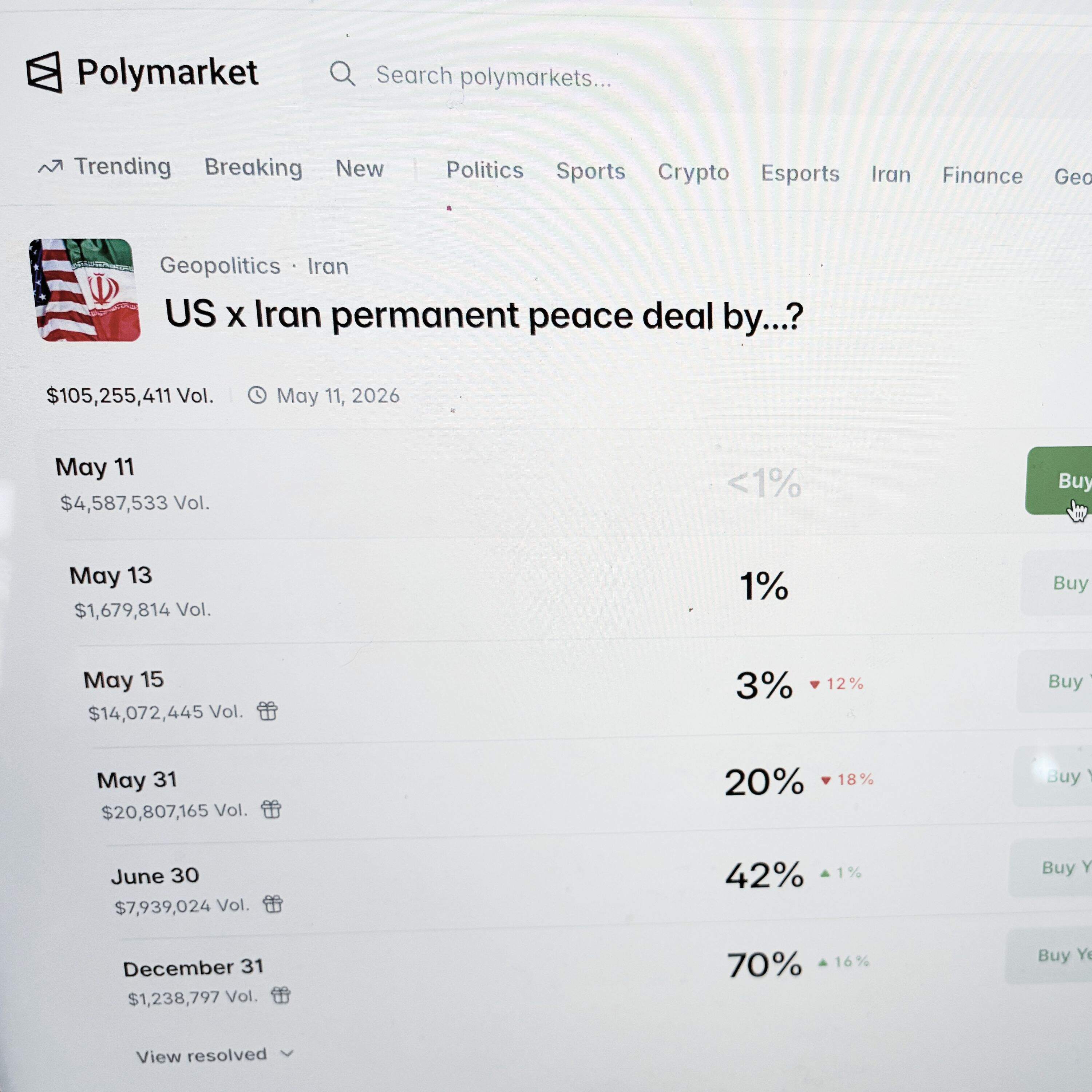
Overview of The Indicator from NPR: Prediction Markets, Insider Trading, and Regulation
This episode examines the growing power of prediction markets and the regulatory headaches they create. NPR looks at how platforms like Polymarket can be economically useful for forecasting events like inflation, recessions, and elections, while also creating new risks around insider trading, anonymity, and national security. The episode centers on Polymarket’s efforts to police suspicious activity and a push from Sen. Richard Blumenthal for stricter rules on what kinds of event contracts should be allowed.
Main Themes
Prediction markets are useful, but vulnerable
- Prediction markets can provide fast, crowd-based signals on major events.
- They’ve often been more accurate than traditional political polling.
- But because bets are tied to real-world events, they can reward people with inside access to sensitive information.
Insider trading and national security concerns
- The episode opens with the example of a U.S. special forces soldier allegedly betting on a Venezuelan military outcome related to an operation he may have been involved in.
- That illustrates the core risk: people with privileged access may use prediction markets to profit from sensitive information.
- Regulators are especially worried about bets involving wars, assassinations, or other events with public-interest and security implications.
How Polymarket Tries to Police Abuse
Dual structure: regulated U.S. business, offshore crypto business
- Polymarket operates with a U.S.-regulated front end and a largely unregulated international crypto-based platform.
- The offshore side allows anonymous trading through cryptocurrency, which makes it harder to know who is placing bets.
- Still, transactions are visible on the blockchain, so unusual activity can stand out.
Blockchain leaves a trail
- The episode explains that crypto is not truly anonymous in practice.
- Investigators can trace funds across the blockchain and often link wallet activity to real identities when people cash out through regulated exchanges.
- Polymarket has also partnered with Chainalysis, a crypto forensics firm, to help flag suspicious behavior.
Enforcement is often retroactive
- The platform’s approach is more like “find it after the fact” than verifying every user up front.
- That may help detect misconduct, but it does not fully prevent insider trading before it happens.
Senator Blumenthal’s Regulatory Push
Wants tighter limits on prediction markets
- Sen. Richard Blumenthal argues that prediction markets cannot be both a regulated U.S. platform and an effectively unregulated offshore one.
- He calls the offshore distinction a fiction and says the business should be treated as an American company.
Proposed restrictions
- His bill, the Prediction Markets Security and Integrity Act of 2026, would:
- increase oversight,
- regulate these platforms more like sports books,
- and ban markets involving highly sensitive or manipulative topics, including wars and assassinations.
Consumer protection argument
- Blumenthal says the goal is not to ban gambling or prediction markets entirely.
- Instead, he wants to protect everyday users from insider leaks, concealment, and deceptive practices.
Advertising and Consumer Protection Issues
Social media ads are a new regulatory blind spot
- The episode highlights TikTok ads promoting prediction markets like Kalshi.
- Some ads suggest users can make easy money predicting gas prices, weather, sports, and news.
- One ad featured someone claiming prediction-market profits helped pay rent.
Existing laws may already apply
- Blumenthal argues that some of these ads could violate existing federal and state consumer protection laws if they are deceptive or misleading.
- His concern is that regulators may already have tools on the books—they just need to enforce them.
Key Takeaways
- Prediction markets can be valuable forecasting tools, but they also create opportunities for insider trading and manipulation.
- Crypto-based, offshore trading makes enforcement harder, even if blockchain records can still expose suspicious activity.
- The main policy debate is how to preserve the usefulness of prediction markets without allowing them to become a venue for trading on secrets or harming national security.
- Regulators are still playing catch-up, especially when it comes to social media advertising and cross-border platform structure.
Notable Insight
- The episode underscores how new this regulatory space is: even lawmakers proposing rules are still discovering issues they hadn’t anticipated.
- The broader tension is between innovation and oversight—whether prediction markets should be treated as legitimate information tools, gambling products, or something in between.