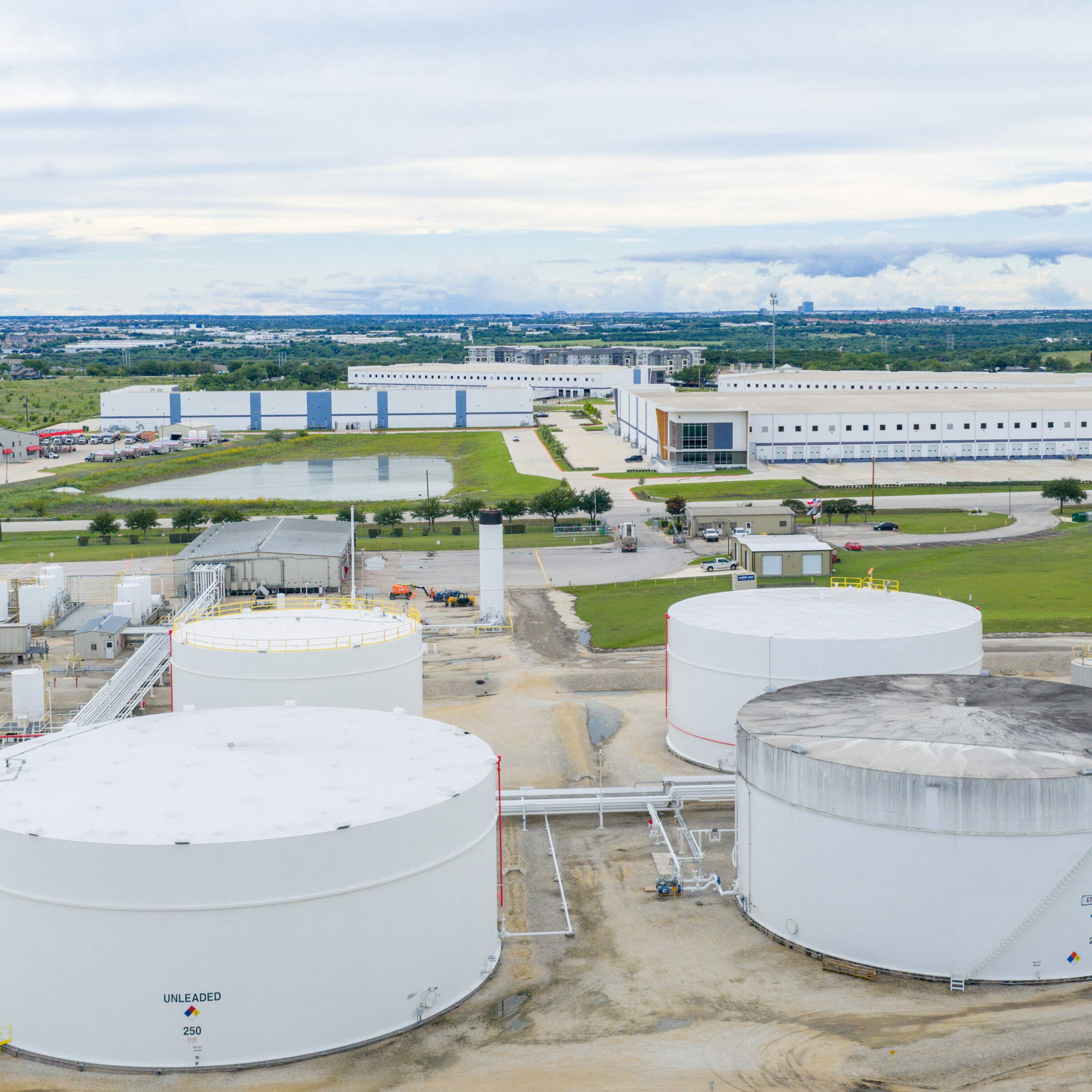
Overview of How will the US refill its dwindling oil reserves?
This NPR Indicator episode examines the shrinking U.S. Strategic Petroleum Reserve (SPR), why it matters for energy security and gasoline prices, and the political and logistical challenges of refilling it. The big question: can Venezuelan oil help replenish the reserve, or is that more complicated than it sounds?
What the Strategic Petroleum Reserve is
The SPR was created after the 1970s oil embargoes, when the U.S. realized it needed a backup supply of oil for emergencies and major supply shocks.
How it works
- The oil is stored in huge underground salt caverns in Texas and Louisiana.
- These caverns were created by pumping water into underground salt formations to dissolve them.
- The reserve is designed for rapid emergency release when supply disruptions hit.
Why it matters
- The SPR has been used during major crises such as:
- Desert Storm
- Hurricane Katrina
- the Arab Spring
- the 2022 Russia-Ukraine war
- disruptions tied to current Middle East tensions
- In 2022, SPR releases helped reduce gasoline prices by roughly 17 to 42 cents per gallon.
Why the reserve is a problem now
The SPR is at its lowest level since 1982 and has fallen sharply over the last several years.
Main concerns
- Volume is down: the reserve has been drawn down heavily in response to global supply shocks.
- Engineering problems increase when it gets too low:
- More water has to be used in the caverns.
- That can contaminate the oil with sludge.
- Contaminated oil is harder for refineries to use.
- Repeated use can also damage the salt caverns themselves, making them less stable over time.
Bottom line
The reserve is not just smaller—it may also be less efficient and less reliable as an emergency tool if it keeps being overused.
How the U.S. might refill it
Refilling the SPR is difficult because it usually requires Congress to approve spending on oil purchases, which is hard in a period of budget strain and high prices.
Past refill methods
- Previous administrations used a royalty-in-kind approach:
- Oil companies extracting from federal land paid the government in oil rather than cash.
- That oil was then sent into the SPR.
Current ideas discussed
- Loaning barrels to oil companies, which later repay the oil with a premium.
- A more unconventional idea: using Venezuelan oil through a trade/swap mechanism.
The Venezuelan oil proposal
The episode focuses heavily on a plan involving Venezuelan oil as a possible source for refilling the reserve.
Why supporters think it could work
- It could provide oil without requiring Congress to directly buy large amounts.
- It might avoid disrupting global markets.
- It could create a steady supply of barrels for the reserve.
Major obstacles
- Venezuelan crude is different from the oil in the SPR, so it would require swapping and trading, not just dumping oil straight into storage.
- Venezuela’s oil industry has suffered from:
- years of underinvestment
- corruption
- damaged infrastructure
- One expert estimated it could take around $100 billion over a decade to restore production to earlier levels.
- It is unclear who would pay for that investment.
Criticism of the plan
Some analysts argue it is a bad use of resources, especially when:
- the U.S. already has domestic oil production
- allies also have supply options
- the same money could go directly toward refilling the SPR itself
Key takeaway
The SPR remains a critical backstop for the U.S. economy and gasoline prices, but it is being depleted faster than it can easily be refilled. Venezuelan oil is one possible workaround, but it comes with major political, financial, and infrastructure hurdles. The episode’s core point is that the U.S. needs to refill its reserve—but there is no simple, cheap, or politically easy way to do it.