Overview of How much safer do Flock cameras make us?
NPR’s The Indicator examines the rapid growth of Flock automated license plate readers, what police departments are paying for them, and whether they actually make communities safer. The episode argues that Flock cameras can help solve vehicle thefts and some serious crimes, but the gains appear modest, while privacy risks, false matches, and misuse are substantial. The central takeaway: Flock is a useful tool, not a magic solution, and communities should weigh its limited public-safety benefits against its broader surveillance costs.
What Flock cameras are and why they matter
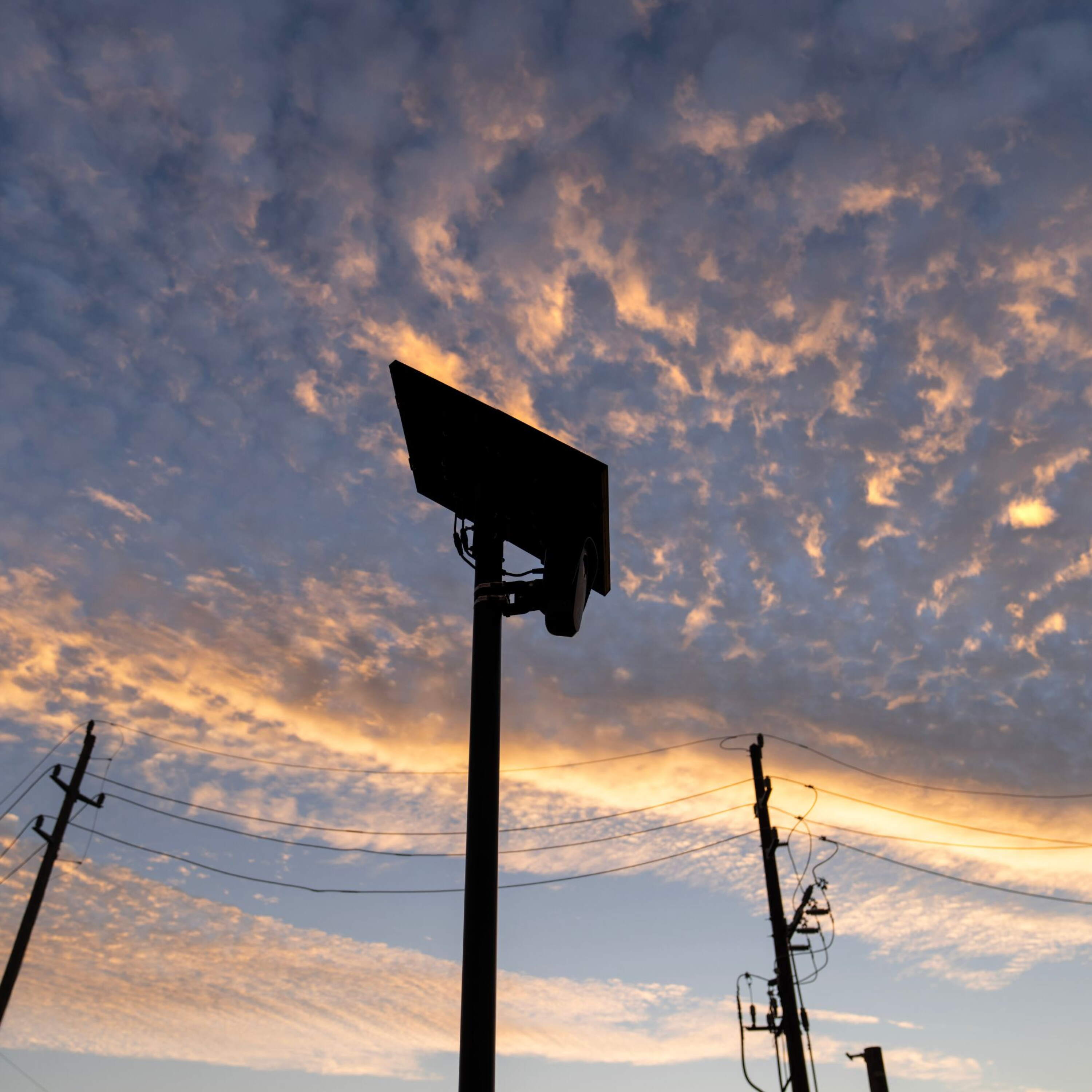
Flock cameras are automated license plate readers that continuously scan passing vehicles and log where they go.
Key characteristics
- They are now widespread in the U.S., with more than 120,000 cameras.
- Flock’s system is searchable across a large network, which makes it more powerful than older, local-only camera setups.
- Data is often stored by default for a short period, but some departments have kept it much longer.
Why police like them
- They can help find stolen vehicles.
- They can assist in tracking violent suspects across jurisdictions.
- They offer access to a broad, interconnected database that can be searched quickly.
The study: Do Flock cameras reduce crime?
The episode highlights research by Scott Morkas and a co-author, who studied hundreds of jurisdictions that adopted Flock cameras.
Main findings
- Motor vehicle theft fell by about 11% in areas using Flock cameras.
- Locating suspects in vehicle theft cases rose by about 16%.
Important context
- The effect was real but modest.
- Flock coverage is patchy, not universal, so it cannot monitor every road.
- Car theft is influenced by many factors, including improvements in vehicle security.
Cost
- Flock cameras cost police departments roughly $3,000 per camera per year to operate.
- Example: Fargo, North Dakota spends about $130,000 annually on its system.
Concerns about privacy and misuse
The episode spends significant time on the ways Flock can be used beyond its original promise of recovering stolen cars.
Reported misuses include
- Tracking ex-partners
- Monitoring protests
- Searching for people engaging in activity that is legal in some states but not others
- Tracking undocumented immigrants
- Investigating abortion-related cases
Why critics are worried
- The system records vehicles continuously, even when the driver is not suspected of a crime.
- Searches can cross state lines and involve many cameras.
- Legal activity can be treated like suspicious activity depending on how police use the data.
Accuracy and enforcement risks
Even when Flock helps police, it can also lead to mistakes.
Example cited
- A woman in Florida was arrested after her car was confused with a similar-looking black SUV connected to a hit-and-run.
- She spent 13 days in jail before it was clear her vehicle was not involved.
Broader issue
- Automated policing can improve enforcement, but it also creates risk of false positives and overreach.
- The value of the technology depends heavily on how data is stored, searched, and shared.
Bottom line
The episode lands on a balanced conclusion:
- Yes, Flock cameras can help reduce car theft and aid investigations.
- No, they do not dramatically transform public safety.
- And yes, they can be misused in ways that have serious civil-liberties consequences.
The biggest question is not just whether Flock catches criminals, but whether the surveillance tradeoff is worth it for the level of benefit it provides.