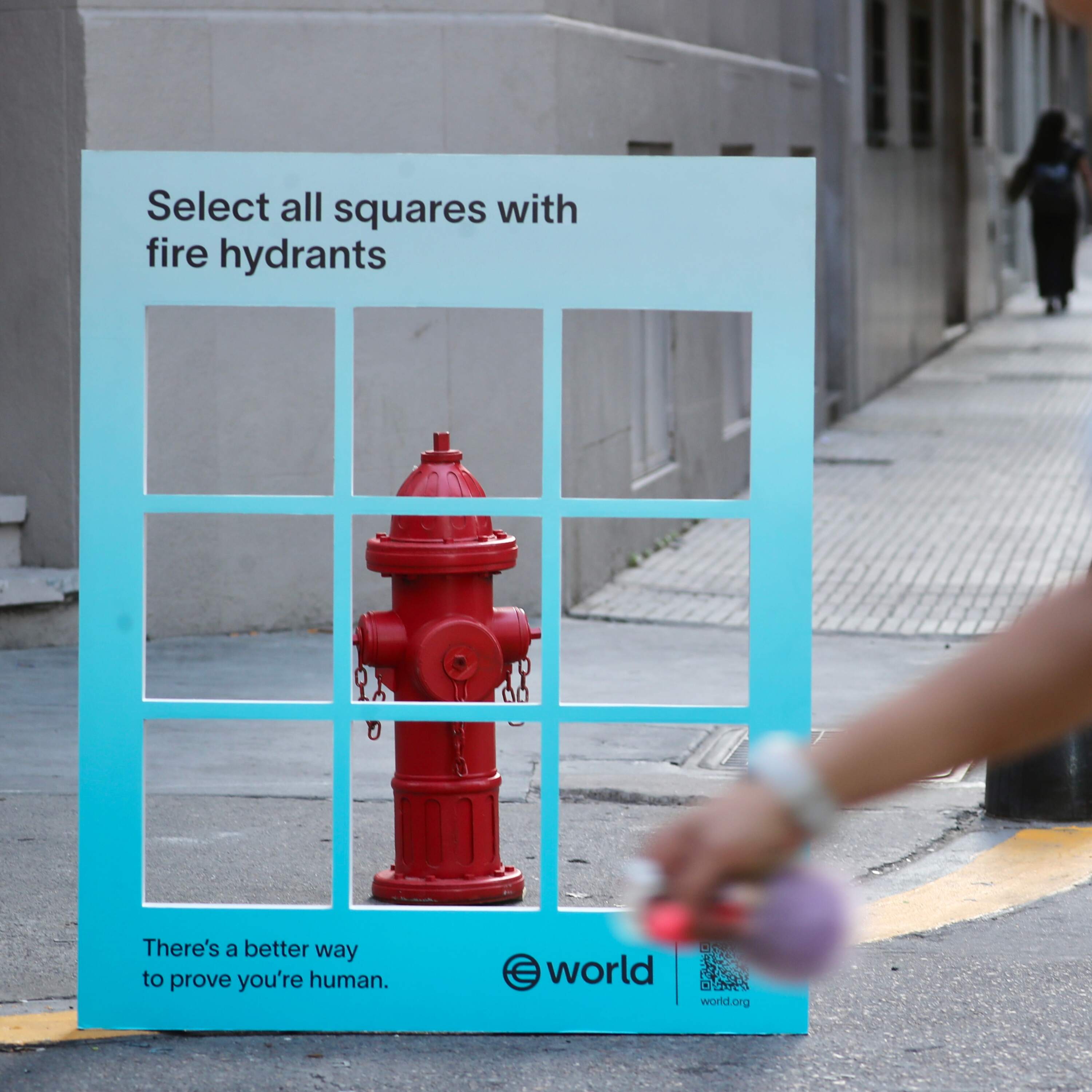
Overview of How bots are overtaking humans on the internet
This NPR Indicator episode explores how bots, AI agents, and web crawlers are rapidly changing the internet—so much so that non-human traffic now reportedly makes up more than half of all internet traffic. The hosts discuss how this shift affects what we see online, how websites make money, and whether the internet is becoming a less human, more machine-to-machine environment.
Key Takeaways
-
Bots now dominate internet traffic
- Cloudflare says non-human traffic has surpassed human traffic online for the first time.
- This includes AI crawlers, search agents, automated tools, and AI assistants acting on users’ behalf.
-
The internet is feeling less human
- A researcher, Erin Kassane, describes a more impersonal online experience, including receiving obvious AI-written emails from professionals.
- The episode connects this feeling to the broader idea behind the “dead internet theory”—the belief that bots and automated content are increasingly replacing real human activity online.
-
AI is changing how people consume information
- Search engines and AI systems increasingly provide summaries instead of sending users to original websites.
- This creates the “zero-click internet,” where users get answers without visiting source pages.
-
This threatens the web’s business model
- If people stop clicking through to sites, publishers lose ad impressions and traffic.
- Bots also do not behave like humans with ads, which undermines advertising-based revenue models.
-
Shopping and banking may be next
- AI agents could soon shop, compare products, and manage finances for users.
- But this raises concerns about security, privacy, and whether systems should be designed for humans, bots, or both.
- Some companies, including Amazon and major banks, are already limiting bot access.
Main Topics Discussed
1. The rise of AI agents and crawlers
The episode explains that bots are no longer just spam accounts or scrapers—they are increasingly acting as assistants that search, summarize, and transact on behalf of people.
2. “Dead internet theory”
The hosts unpack the idea that the internet is becoming populated by bots talking to bots, with human content increasingly blended with AI-generated material.
3. Search and publishing disruption
AI summaries reduce clicks to news sites and other publishers, which hurts traffic and ad revenue, including for NPR and other media outlets.
4. Infrastructure and monetization changes
A computer scientist from Cloudflare compares the internet to a road system:
- Humans = cars
- Bots = big rigs
If bots are using most of the infrastructure, the economics may need to shift toward:
- subscriptions
- pay-per-use
- pay-per-crawl models
- other forms of access pricing
5. Retail and finance risks
The episode raises the possibility of:
- AI agents shopping on behalf of users
- bots triggering mass financial moves, such as a hypothetical “agentic bank run”
- businesses needing stronger controls over automated access
Notable Insights
- “The roads” analogy: Bots are like trucks that don’t care about ads or tourist traps; if they dominate the roads, someone has to pay to maintain the infrastructure.
- The internet is becoming harder to classify: It’s increasingly difficult to tell whether content, engagement, or even communication is human-made or AI-generated.
- A sustainable future likely requires coexistence: The guest doesn’t believe in a fully split “bot internet” and “human internet”; instead, she expects a hybrid system to emerge.
Bottom Line
The episode argues that the internet is entering a new era where machines are no longer just supporting human activity—they are becoming the primary users of the web. That shift is reshaping search, publishing, commerce, banking, and the economics of online infrastructure. The big question is not whether bots will be part of the internet, but how humans and bots will coexist without breaking the systems that keep the web functional.