Overview of Corporate tax cheats, recession deal eats and costly Halloween treats!
This NPR Indicator of the Week segment uses a Halloween-themed setup to cover three timely economic signals: how little America’s biggest corporations are effectively paying in taxes, what restaurant menu discounts can reveal about consumer confidence and the broader economy, and why Halloween candy is especially expensive this year. The conversation blends humor with policy analysis and consumer price trends, tying each indicator to larger questions about tax fairness, recession anxiety, and inflation.
Key Economic Indicators Discussed
1. Corporate taxes are far below the statutory rate
- NPR highlights a new report from the Institute on Taxation and Economic Policy showing that the top U.S. corporations paid an average effective tax rate of 10.4% in 2025, the lowest in 40 years of tracking.
- This is far below the 21% official corporate tax rate, which was cut from 35% during Trump’s first term and left unchanged by the second-term One Big Beautiful Bill Act.
- The report says about 100 of roughly 700 companies paid no federal income tax at all, including names like:
- Disney
- Tesla
- Southwest Airlines
- Kohl’s
- Duolingo
- The segment explains that corporations reduce taxes through:
- Immediate expensing of equipment purchases
- R&D tax credits
- Broad use of loopholes that can classify ordinary business costs as research
- The larger takeaway: the current corporate tax system is described as “more loophole than law.”
2. Restaurant discount offers may reflect weakening consumer confidence
- The second indicator focuses on limited-time offers (LTOs) on restaurant menus.
- There are two types:
- Innovation LTOs: seasonal or experimental items
- Discount/value LTOs: deals meant to attract budget-conscious customers
- Since Trump was elected in 2024, the share of discount LTOs has risen from 22% to 27%.
- This is presented as a possible sign that consumers are feeling less optimistic about the economy, prompting restaurants to lean harder on deals like happy hours and bundled specials.
- The segment connects this trend to recession-era behavior, noting that menu discounting often rises when economic confidence falls.
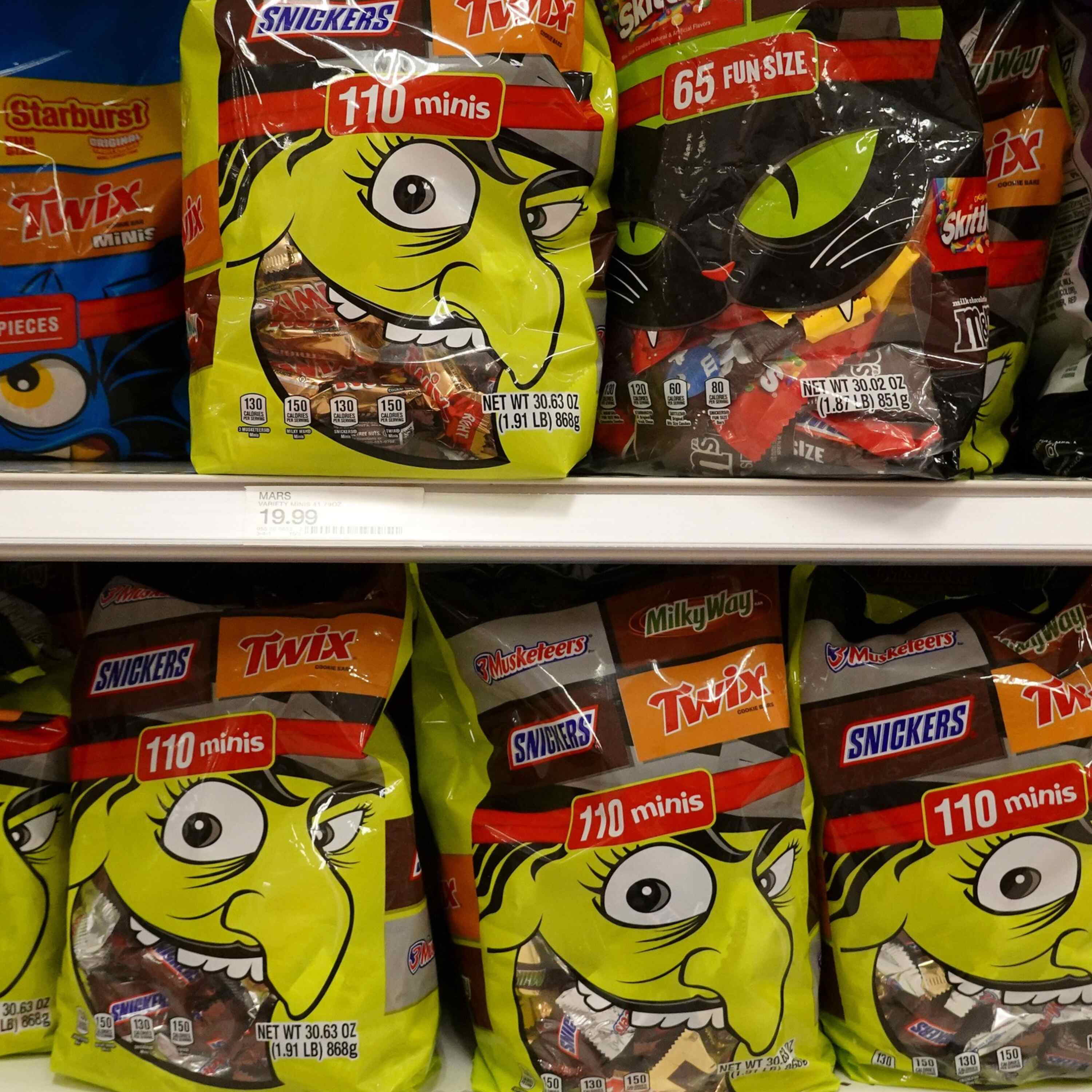
3. Halloween candy is more expensive
- The final indicator is the rise in candy prices, which is especially relevant as Halloween approaches.
- The Bureau of Labor Statistics says candy and chewing gum prices are up 7.7% year over year.
- Some products have risen much more sharply, including Hershey’s chocolate variety packs, which are up about 20%.
- Drivers of higher prices include:
- Rising cocoa costs
- Tariffs
- Lower corporate profit margins
- The episode also notes that some candy makers have altered recipes to manage costs, including using more vegetable oil and other substitutes in some chocolate products.
Broader Themes and Takeaways
Tax policy is benefiting large corporations more than most people realize
The episode argues that the gap between the legal corporate tax rate and the effective rate is evidence of a system packed with loopholes that allow major companies to pay much less than advertised.
Consumer spending patterns can signal economic anxiety
Menu discounting isn’t just a restaurant strategy—it can also serve as a barometer for how cautious consumers feel about their finances.
Inflation continues to affect everyday seasonal traditions
Even something as routine as buying Halloween candy is more expensive, forcing some households to improvise with alternatives like chili, potatoes, or other non-candy giveaways.
Notable Examples and Colorful Moments
- A joke-filled Halloween framing, including “indicators of the week” in a cemetery.
- A reference to Airbnb receiving $121 million in R&D tax credits, framed as money supposedly used to improve the website.
- A mention of a Nashville “recession special”: fried bologna sandwich, chips, PBR, and a MoonPie for $6.
- A story about a household giving out potatoes on Halloween.
- A humorous warning to check labels for “real chocolate” versus cheaper substitutes in candy bars.
Bottom Line
The episode uses three playful but revealing data points to show that:
- America’s largest corporations are paying historically low effective tax rates,
- restaurant discounting may reflect economic unease,
- and Halloween candy has become noticeably pricier due to inflation, ingredients, and tariffs.
Together, the indicators paint a picture of an economy where loopholes, caution, and rising consumer costs are all shaping behavior.