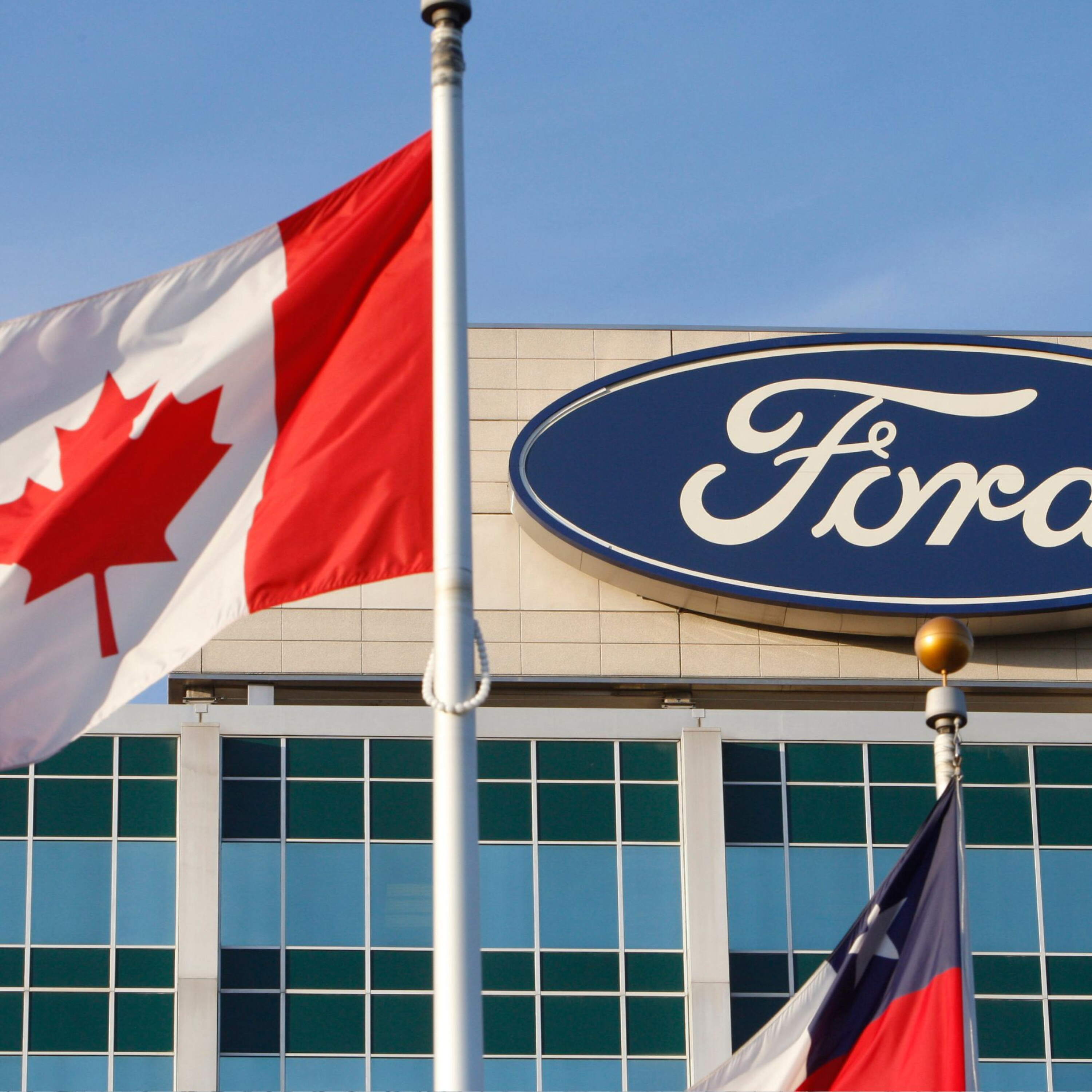
Overview of Canada fights tariffs with tariffs
This NPR Indicator episode examines the escalating trade conflict between the U.S. and Canada after President Trump imposed steep tariffs on Canadian goods, prompting Canada to respond with its own counter-tariffs on American imports. The conversation, with CBC’s Cost of Living host Paul Haavardsrud, focuses on what Canada is targeting, why the auto sector is the biggest concern, and how Canadians are reacting to what many see as both an economic and symbolic attack.
What the episode is about
- The U.S. imposed 50% tariffs on a range of Canadian goods, affecting items like:
- steel
- dairy
- alcoholic beverages
- cement
- electronics
- hockey sticks
- Canada answered with roughly $20 billion in counter-tariffs on U.S. goods, with rates ranging from 15% to 50%.
- The episode frames this as a new phase in the U.S.-Canada trade war and a test of the long-standing North American trade relationship.
Key points from the discussion
Canada’s biggest concern: autos
- The auto sector is the most worrying target for Canadians.
- Paul Haavardsrud explains that the U.S.-Canada trade system, including USMCA/NAFTA, is built heavily around an auto pact dating back to 1965.
- Canada produces:
- cars and trucks
- parts and components
- vehicles like the Chevy Silverado
- Tariffs on autos would raise costs, threaten jobs, and could seriously damage the integrated North American auto industry.
Canada’s counter-tariff strategy
- Canada’s approach is described as “standing up to the bully.”
- The goal is not to win a total economic fight, but to apply pressure and signal resistance.
- Canada is deliberately targeting goods that can create political pain in the U.S., especially in:
- swing states like Ohio and Pennsylvania
- border states
- Most of the counter-tariffs are on industrial inputs, while the rest hit consumer goods.
Bourbon became a symbolic target
- Kentucky bourbon is highlighted as a flashpoint.
- Several Canadian provinces, acting independently, removed U.S. bourbon from provincially controlled liquor stores.
- This is meant to show public anger and leverage Canada’s control over alcohol sales as a response tool.
Why the auto tariffs matter so much
- Trump also announced even higher tariffs on Canadian cars and trucks, potentially starting January 1.
- Haavardsrud says those tariffs would be an “existential threat” to Canada’s auto industry.
- If fully implemented, they could:
- decimate the sector
- disrupt supply chains
- undermine decades of integrated trade
- The threat may also be a negotiating tactic to force Canada back to the table for future trade talks.
How Canadians are reacting
- The issue is widely discussed and emotionally charged in Canada.
- Canadians are especially offended by:
- talk of Canada becoming the “51st state”
- Trump referring to the Canadian prime minister as a “governor”
- symbolic gestures like renaming Lake Ontario to “Lake America”
- The episode suggests the conflict has moved beyond trade into questions of:
- sovereignty
- national identity
- respect
Broader implications
- Canadian public opinion appears to be:
- anxious
- defiant
- broadly supportive of the federal government’s response
- At the same time, Canada still has incentives to negotiate and make concessions.
- The current tariffs are seen as only the opening move; the bigger battle will come with USMCA renegotiations.
- Both sides appear to be signaling rather than fully committing, leaving room for a future deal.
Main takeaway
Canada is responding to U.S. tariffs with targeted retaliation designed to create political pressure in the U.S. while avoiding a full-scale economic confrontation. The biggest danger is in autos, where new tariffs could seriously damage Canada’s economy and jeopardize decades of cross-border integration. Beyond economics, the dispute has become deeply personal and nationalistic for many Canadians.