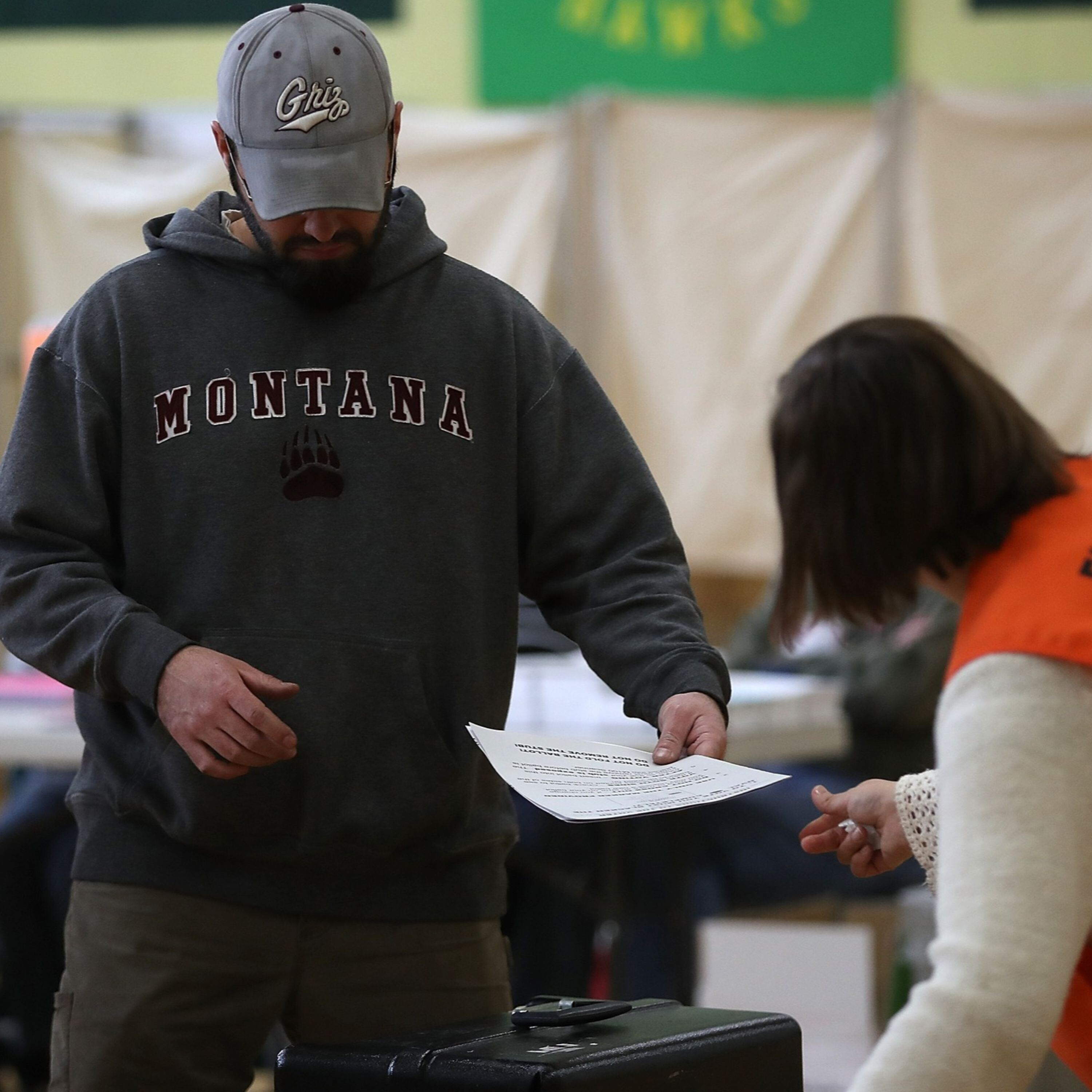
Overview of Can Montana end Citizens United?
This episode of NPR’s The Indicator from Planet Money explores Montana’s latest attempt to push back against big money in politics through a ballot initiative called I-194. The proposal aims to ban corporations and other “artificial persons” from contributing to political campaigns in the state, setting up a possible legal challenge to the legacy of Citizens United and, potentially, a Supreme Court showdown.
Key Themes and Context
Montana’s long history with money in politics
- The episode opens with William A. Clark, a wealthy Montana copper magnate who allegedly tried to buy a U.S. Senate seat in 1899 by bribing state legislators.
- That scandal helped drive support for the 17th Amendment, which made U.S. senators directly elected by voters.
- Montana has since developed a reputation for being especially wary of corruption and outside money influencing democracy.
What Citizens United changed
- The 2010 Citizens United ruling allowed corporations and unions to spend money independently on elections as a form of protected speech.
- The episode notes that:
- Before Citizens United, outside independent spending in elections was under $400 million.
- By 2024, it had grown to nearly $4.5 billion.
- A YouGov poll found nearly 80% of Americans believe this spending creates corruption or the appearance of corruption.
Montana’s proposed response: I-194
- I-194 would bar corporations and similar entities from donating to campaigns if they do business in Montana.
- Supporters argue the state is not directly overturning federal law, but instead using its power over state corporate law.
- The theory: corporations are creatures of state law, and states can set conditions on their privileges to do business.
Voices and Perspectives
Supporters’ view
- Jeff Mangan, former Montana political practices commissioner, says money has increasingly flooded Montana politics since Citizens United.
- He and former FEC lawyer Tom Moore helped shape the proposal as a state-level workaround to corporate election spending.
- Their argument is that Montana can still act decisively even if federal law remains unchanged.
Skeptics’ view
- Election law experts acknowledge the political appeal but are doubtful it will survive in court.
- Rick Hasen of UCLA says he does not expect the measure to be upheld constitutionally.
- Even so, he argues that voting for it may still matter as a form of public protest and political pressure.
Likely Legal Outcome
Why the courts may block it
- Legal experts believe I-194 would face a serious First Amendment challenge.
- A similar law passed in Hawaii was already challenged in court.
- If Montana voters approve the measure, it would likely head toward the Supreme Court.
Why supporters still see value
- Even if it is struck down, the initiative could:
- Signal broad voter frustration with money in politics
- Keep pressure on courts and lawmakers
- Reinforce Montana’s historical identity as a state resistant to political corruption
Main Takeaways
- Montana is trying to use state corporate law to limit corporate political spending without directly confronting Citizens United head-on.
- The effort reflects deep public frustration with the influence of money in elections.
- The proposal may not survive constitutional scrutiny, but it could still function as a powerful political statement.
- The episode frames Montana as both a historical and modern symbol of resistance to wealthy interests shaping democracy.
Final Note
The episode closes with a reminder to vote in the midterms, research local ballot initiatives, and pay attention to down-ballot measures that may have major consequences even if they don’t get much national attention.