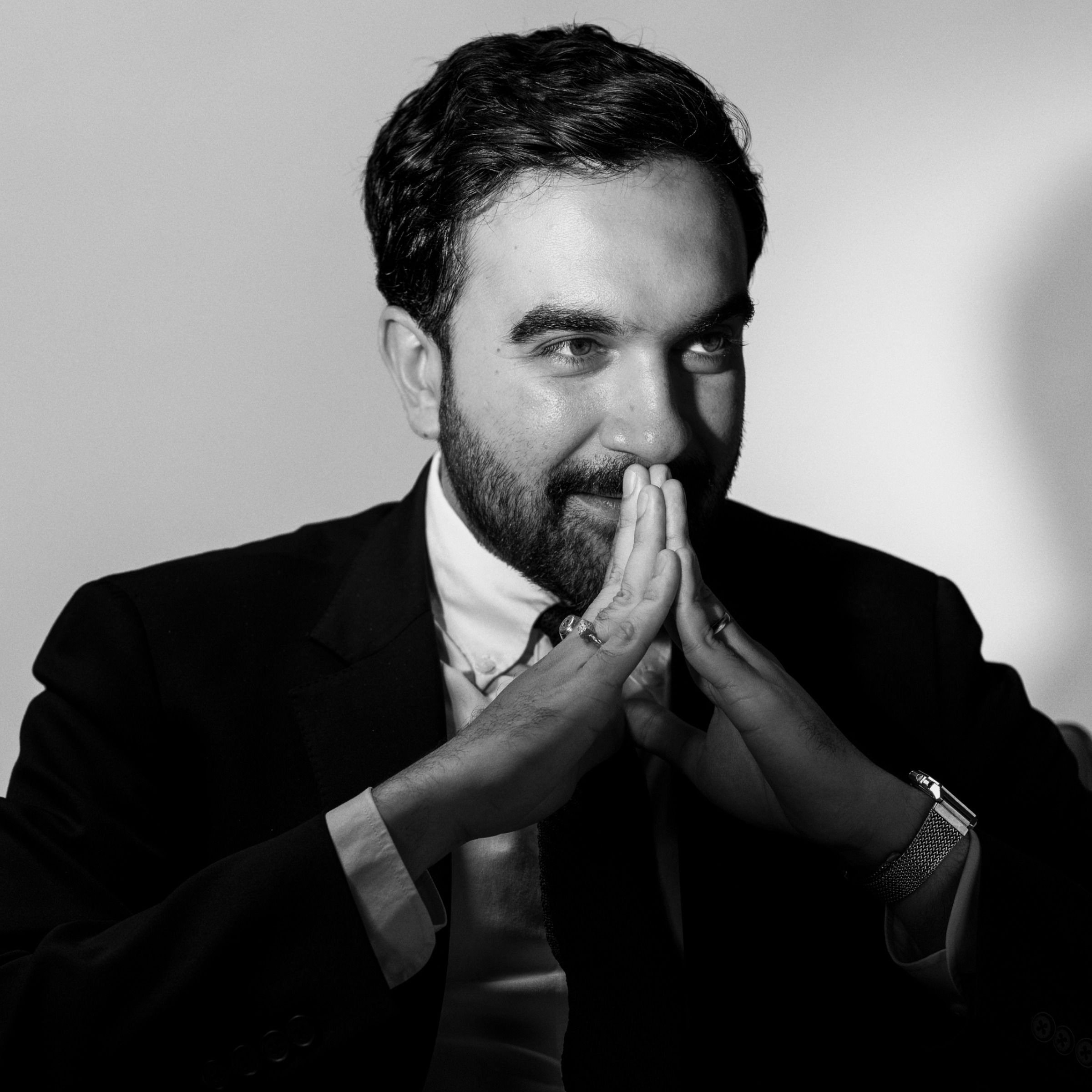
Overview of The Interview with New York City Mayor Zohran Mamdani
In this wide-ranging New York Times interview, Mayor Zohran Mamdani argues that his first six months in office have proven the practical case for democratic socialism: lower rents, expanded child care, faster bus service, and record-low violence. He frames his political project as one centered on affordability and material results, while also making clear that he sees his rising profile as a chance to shape the Democratic Party’s future. The conversation also digs into his views on Israel-Palestine, immigration, public safety, business, and the kind of coalition he wants to build beyond New York City.
Key Takeaways
- Mamdani believes he has earned political capital and should spend it on policies that materially improve working people’s lives.
- He sees New York as a model for a broader national politics focused on affordability, dignity, and human rights.
- He is comfortable being both a Democrat and a democratic socialist, and sees no conflict between the two.
- He is willing to use his influence in federal and state races, but insists his immediate priority remains governing New York City.
- His positions on Israel-Palestine are central to his political identity and to the coalition he wants to build.
- He portrays himself as pragmatic on public safety and immigration, emphasizing legality, humanity, and citywide stability.
Mamdani’s Core Political Message: Affordability and Deliverables
Mamdani repeatedly returns to the idea that politics should be judged by whether it changes people’s daily lives.
What he says his administration has accomplished
- Frozen rent on nearly a million apartments
- Advanced universal child care
- Paved more than 170,000 potholes
- Overseen historically low levels of shootings and murders
- Secured tens of millions of dollars for tenants and workers
- Launched a bus-speed improvement plan meant to save commuters time every day
His broader argument
He says critics who caricature democratic socialism should look at the results:
- affordability
- public services
- safer streets
- more support for families
His message is that government should make life cheaper and more livable, not merely manage decline.
National Ambitions and Democratic Party Strategy
Mamdani clearly wants his work in New York to have national resonance.
What he believes the party needs
- A positive vision beyond simply opposing Republicans
- A focus on working people’s costs: housing, child care, groceries
- More honesty and consistency from elected officials
- A broader understanding of the “working class”
His view of political capital
He says political capital exists to be spent on material change, not symbolism or abstract debate.
Relationship to 2028
He stops short of saying he has presidential ambitions, but he does say:
- “2028 begins now”
- New York can serve as a proof of concept for a broader political movement
Endorsements, Alliances, and the Progressive Left
A major part of the interview focuses on his endorsements of progressive candidates who won primaries.
What he emphasizes
- His endorsements are meant to support candidates who will fight for affordability and working people
- He sees this as a way to build partnerships across levels of government
- He describes Alexandria Ocasio-Cortez as both an inspiration and a partner in a shared political project
On AOC
He avoids explicitly endorsing her for president, but clearly admires her and believes she can succeed in whatever role she chooses.
On party unity
He says there is room in his vision for:
- moderates
- progressives
- Democrats who disagree on some issues
- even Democrats aligned with AIPAC, as long as they are part of the party and can work within a shared framework
Israel-Palestine: Moral Clarity and Political Trust
This is one of the strongest through-lines of the interview.
His position
Mamdani speaks in very direct moral terms about:
- Israel’s war in Gaza
- U.S. military support for Israel
- the need for honesty about what he calls genocide
- the importance of Palestinian rights as part of human rights
On endorsements and coalition-building
He argues that candidates should:
- speak honestly about Gaza
- support efforts like “block the bombs” legislation
- demonstrate consistency between private beliefs and public statements
On Netanyahu
He says Benjamin Netanyahu belongs in The Hague and that, if legally permitted, he will follow New York law regarding any arrest obligations tied to an ICC warrant.
His larger point
He argues that public trust is damaged when politicians privately admit one thing and publicly say another, especially on Gaza.
Immigration and Border Policy
Mamdani tries to balance support for immigration enforcement with a humane approach.
His stance
- He supports asylum claims being handled under the law
- He says border policy should be secure and humane
- He opposes New York participating in civil immigration enforcement the way federal authorities currently do
On ICE
He describes ICE as a source of fear in immigrant communities and says enforcement often looks more like profiling and mass deportation than public safety.
On sanctuary city policy
He says New York works with the federal government on serious crimes, but not on broad civil immigration enforcement.
Public Safety and Policing
The interview spends considerable time on Mamdani’s evolving relationship with policing.
What he stresses
- Murders and shootings are at historic lows
- He intends to continue working with Commissioner Jessica Tisch
- Public safety is not in conflict with justice
On the Strategic Response Group
He says he still wants it separated from protest response and terrorism response, but continues to believe the functions should be decoupled.
On arrests for minor offenses
He suggests the city is still moving toward a model where police focus more on serious crime and mental health crises are handled differently.
His political balancing act
He tries to reconcile:
- DSA skepticism toward policing
- his administration’s practical need to keep the city safe
- his desire to reduce unnecessary criminalization
Business, the Economy, and “Socialist” Governance
Mamdani wants a cooperative but not deferential relationship with Wall Street, real estate, and major employers.
His view of business
- He sees business leaders as important partners in city vitality
- He welcomes investment and job creation
- He also believes the city should ask whether working people can actually live in it
His economic framing
A strong economy, in his view, is not just about GDP or corporate growth. It also means:
- people can afford rent
- people can afford child care
- workers don’t have to live outside the city because it’s too expensive
On economic development
He says he is actively looking for a new head of the Economic Development Corporation who can deliver on that broader vision.
Child Care, Transit, and Quality of Life
Mamdani is most animated when talking about everyday improvements.
Universal child care
He calls this the policy he’d most want to accelerate if money were no object.
His argument
- Child care is wildly unaffordable
- Even high earners struggle to pay for it
- Expanding it is both a family policy and a class policy
Transit improvements
He is proud of the bus-speed plan, saying time savings matter because they give people back part of their lives.
The bigger idea
He wants New York to be a city where people can:
- work
- raise families
- get around efficiently
- still enjoy life
Personal Notes: Marriage, Public Scrutiny, and Style
The interview ends on a more personal and lighter note.
On his marriage
He describes his wife, artist Rama Duwaji, as:
- an “oasis”
- his partner in a life that still feels like their own
On scrutiny
He rejects the idea that a politician’s spouse should be treated as a political accessory, saying she is her own person and an artist first.
On his political personality
He says a good politician needs:
- honesty
- principle
- the ability to explain what they believe and why
- a little absurdity or audacity to think they should hold power
On his smile and persona
He credits his family for encouraging him to smile and suggests politics should be more transparent about personality rather than presenting politicians as blank canvases.
Closing Impression
Mamdani comes across as confident, disciplined, and eager to redefine what political power should be used for. He is trying to project two things at once:
- pragmatism in governing
- moral clarity in politics
The interview’s central message is that Mamdani sees New York as both a city to be fixed and a proof point for a larger political future rooted in affordability, public trust, and a broader definition of who politics is for.