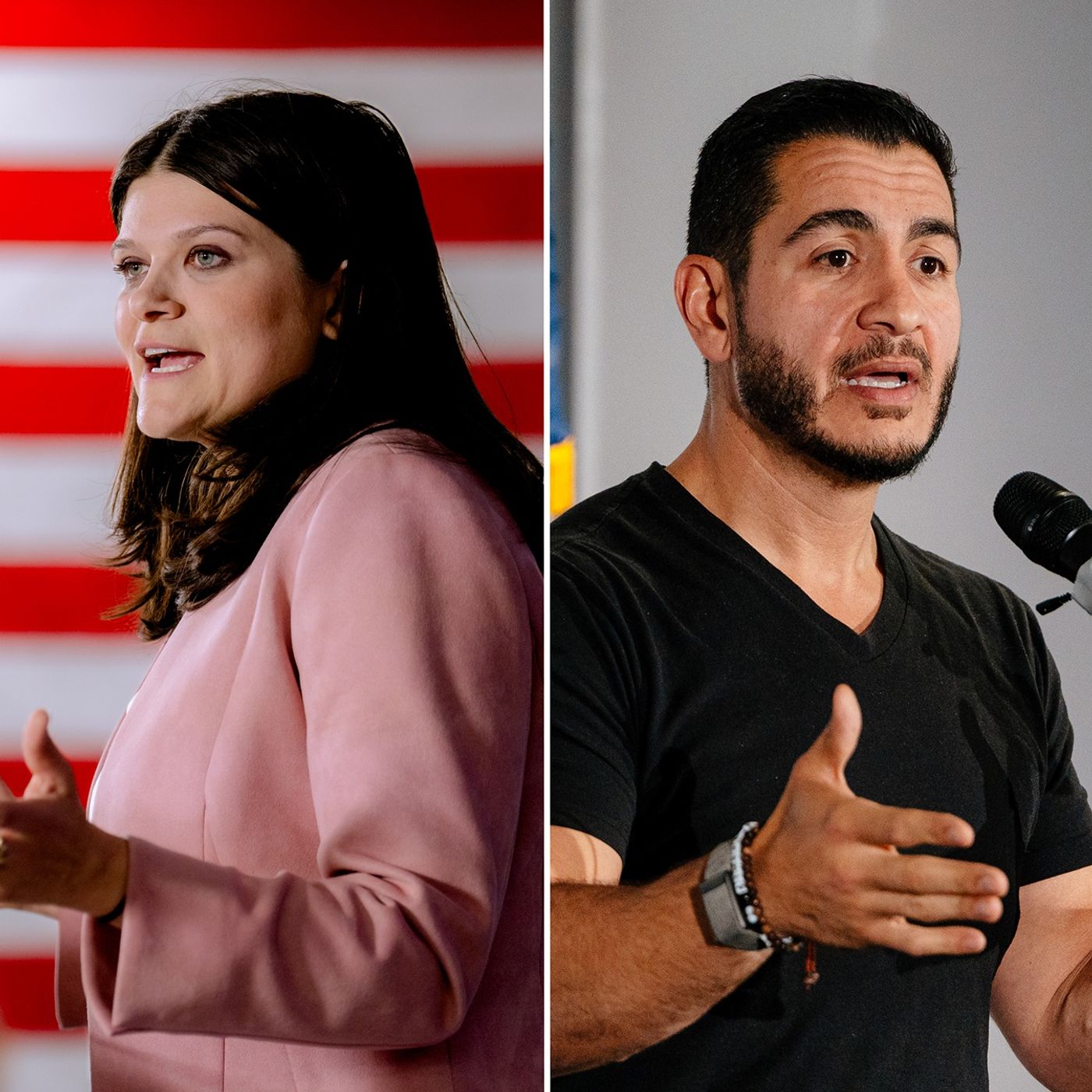
Overview of Will Michigan Rewrite the Rules of Democratic Politics?
This episode of The Daily examines a closely watched Michigan Democratic Senate primary between progressive Abdul El-Sayed and moderate Haley Stevens. The race is presented as a high-stakes test of whether Democratic voters in a swing state are still driven by the old idea of “electability” — usually meaning a more centrist, establishment-friendly candidate — or whether frustration with politics as usual is pushing them toward a more disruptive, left-leaning alternative.
Why the Michigan Primary Matters
- The race is being treated as a major test of the Democratic Party’s future direction.
- Michigan is a battleground state, not a deep-blue primary environment, so the result may reveal whether progressive politics can win outside safe Democratic areas.
- The winner will face Republican Mike Rogers in the general election, making November stakes especially high.
- Democrats view this Senate seat as critical if they hope to retake control of the chamber.
The Two Candidates
Abdul El-Sayed
- Former public health official and 2018 gubernatorial candidate.
- Runs as the more progressive, anti-establishment candidate.
- Supports:
- Medicare for All
- cutting U.S. support for Israel’s war in Gaza
- redirecting money from foreign wars and corporate influence toward domestic needs
- Backed by prominent progressive figures like Bernie Sanders and Alexandria Ocasio-Cortez.
- Presents himself as charismatic, energetic, and rooted in working-class frustration rather than ideological dogma.
Haley Stevens
- Four-term member of Congress and the more moderate candidate.
- Portrays herself as a pragmatic “workhorse” focused on governance and winning in November.
- Supports continued aid to Israel and incremental policy change.
- Strongly backed by establishment figures and major pro-Israel donors, especially AIPAC.
- Frames electability as a central argument: she says Republicans fear her more and would rather run against El-Sayed.
What the Reporting Found on the Ground
El-Sayed’s Support
- At rallies and canvassing events, El-Sayed’s supporters described deep anger at:
- corporate influence in politics
- rising cost of living
- stagnant wages
- unaffordable health care and housing
- Many supporters see him as a response to a broken political system.
- His campaign feels energized, youthful, and openly anti-establishment.
Stevens’ Support
- Stevens’ campaign was more subdued and traditional, with fewer volunteers and less visible excitement.
- Her supporters tended to be older, more pragmatic, and more focused on general-election viability.
- They liked her record, her connection to Michigan, and her ability to work within government.
- Even some of her supporters expressed discomfort with AIPAC money or the idea of purity tests, but still concluded she was the safer bet.
The Big Debate: What Does “Electability” Mean Now?
The episode’s central question is whether electability still means “the most moderate candidate,” or whether the political moment has changed enough that the most inspiring candidate is now the most electable.
Traditional View
- Moderate Democrats are usually seen as more appealing to independents and swing voters.
- This logic has shaped Democratic primaries since at least 2016 and 2020.
Emerging Counterargument
- Some voters argued the old definition of electability is outdated.
- Their view: politics is so broken that bold, transformative candidates may actually mobilize more people.
- In that framing, El-Sayed could be the more electable candidate precisely because he represents change.
Key Takeaways
- Michigan may be signaling a shift in Democratic thinking, especially among voters exhausted by incrementalism.
- The episode suggests a growing willingness to stop “voting strategically” and instead vote for the candidate people actually want.
- There is a tension between:
- winning the immediate general election
- and choosing the candidate who best represents the party’s future
- The reporting leaves open the possibility that the meaning of electability itself is changing in the Trump era.
Bottom Line
The episode argues that Michigan’s Democratic primary is more than just a Senate race — it is a referendum on whether Democrats still believe moderation is the safest path to victory, or whether anger at the status quo is creating room for a new kind of progressive politics. The core question is no longer just “Who can win?” but “What kind of party do Democratic voters want to build?”