Overview of The Daily on Sunday
This episode of The Daily explores the relationship between running and listening to music, through a conversation with former New York Times music critic Ben Ratliff. The central idea is that running does not just help people enjoy music while exercising — it can actually make them better listeners. Ratliff explains how, over time, he came to see running as a way to enter music more deeply, hear structure and repetition more clearly, and experience songs as living spaces rather than just background motivation.
Main Themes and Takeaways
-
Running can transform listening.
Ratliff argues that instead of using music merely to power a workout, runners can use movement to pay closer attention to the music itself. -
Music becomes more spatial and immersive.
He describes listening as entering a “place” or “space” inside the song, with different layers, directions, and textures to notice. -
Repetition is a shared language between music and running.
Both involve rhythm, persistence, and forward motion. Ratliff sees this repetition as something powerful rather than monotonous. -
Proper listening means staying open to uncertainty.
He suggests that real listening is not about forcing a desired reaction, but about paying attention to what unfolds moment by moment. -
The pandemic changed his listening habits.
During longer runs in the pandemic, he had a breakthrough moment: he felt he had listened better than ever before.
Ben Ratliff’s Personal Journey
From music critic to runner-listener
- Ratliff first fell in love with music as a teenager after seeing Miles Davis perform.
- He built a career as a professional critic, eventually writing for The New York Times.
- Over time, he found that reviewing live music and writing about performances was the part of the job he loved most.
- He later realized he had become less able to simply listen to music for its own sake — until running changed that.
The key turning point
- A trip to hear Miles Davis’s “So What” in a high-end mastering studio did not produce the revelatory experience he expected.
- Soon after, he took up running more seriously.
- At first, he ran without music and mainly used the time to clear his head and generate ideas for writing.
- Later, while running with music during the pandemic, he began hearing songs in a completely new way.
The NYC Marathon Playlist Concept
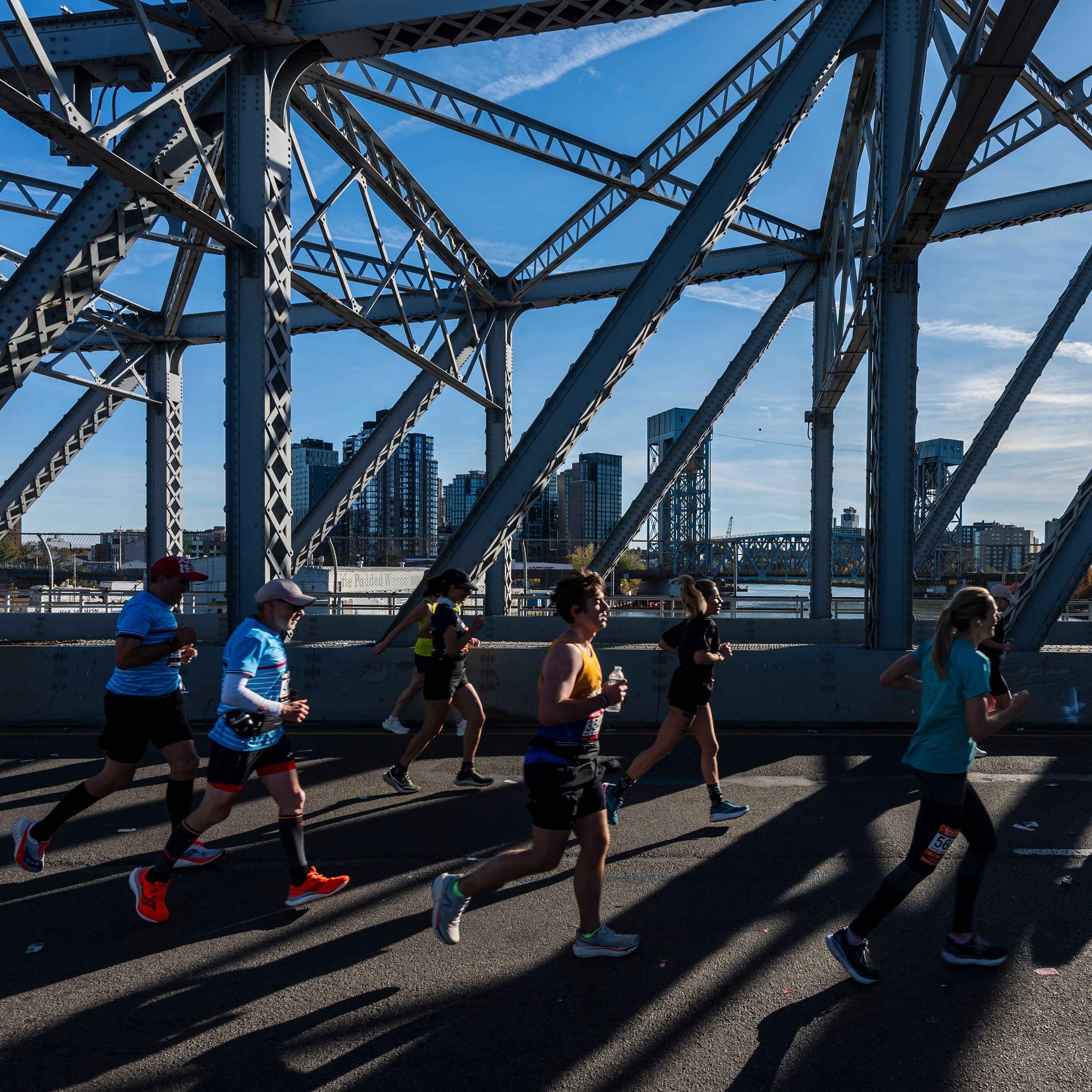
The episode was timed to the New York City Marathon, and Ratliff built a five-borough playlist to match the race’s route. His selections are meant to mirror the energy and character of each borough.
Staten Island
- Wu-Tang Clan — instrumental version of “It’s Yours”
- Chosen for its repetition, momentum, and Staten Island connection.
Brooklyn
- Chic — “Chic Cheer”
- A disco track with driving rhythm, openness, and a celebratory feel that fits the Bay Ridge / Saturday Night Fever energy.
Queens
- Run-DMC — “Slow and Low”
- Selected as a reminder to pace yourself, slow down, and maintain steady effort.
The Bronx
- Grupo Folklórico y Experimental Nuevayorkino — “Canto Ebioso”
- A vibrant Cuban rumba that matches the intensity, energy, and sensory overload of running through a city.
Manhattan
- Ashford & Simpson — “Bourgie Bourgie”
- A glamorous, expansive instrumental that evokes ambition, style, and the feeling of arriving at the race’s climactic final stretch.
Notable Insights
- “I run to make the music better, not the other way around.”
- “What if music were not a means to an end?”
- “I think proper listening means not desiring a particular outcome.”
- Ratliff emphasizes that music can feel more alive when paired with physical motion, especially in a city setting.
Why This Episode Stands Out
This is part music criticism, part running philosophy, and part meditation on attention. It turns a simple question — what do people listen to while running? — into a broader exploration of how we hear, how we move, and how repetition can sharpen perception rather than dull it.
Mentioned Work
- Book: Run the Song: Writing About Running, About Listening by Ben Ratliff
- The book was longlisted for the 2025 National Book Award for Nonfiction.