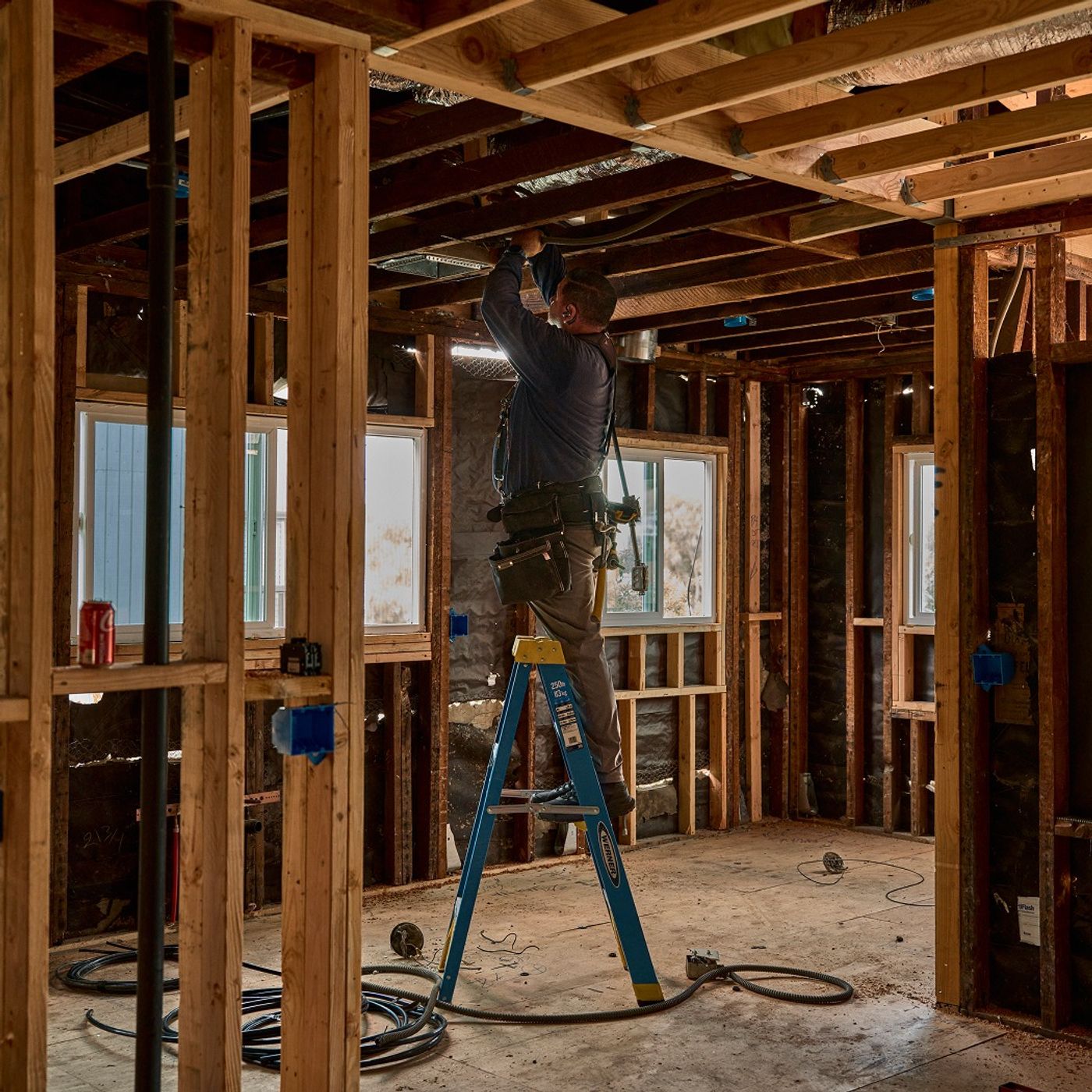
Overview of Trump’s Clashing Goals: More Housing, Fewer Immigrants
This episode of The Daily examines a central contradiction in U.S. policy: Congress has passed a major housing law meant to speed up homebuilding, while President Trump’s immigration crackdown is targeting the very workers the construction industry depends on. Reporter Rhonda Kaysen explains how housing construction became heavily reliant on immigrant labor, why that shift happened, and how deportations could undermine efforts to address America’s housing shortage.
The Core Tension: Build More Homes, Deport the Workforce
The episode argues that two Trump-era goals are in direct conflict:
- Goal 1: Increase housing supply and make homes cheaper.
- Goal 2: Mass deport immigrants, including many construction workers.
Because construction is one of the most immigrant-dependent industries in the U.S., removing that labor force makes it harder to build homes at the scale needed to fix the housing crisis.
How the Construction Industry Changed
From unionized American labor to fragmented, lower-paid work
In the 1970s:
- Construction was largely done by American-born workers.
- Union membership was high, especially in residential construction.
- The jobs were relatively good-paying and came with benefits like health insurance, pensions, and vacation time.
The transcript uses the story of Matt Moore, a union roofer in Southern California, to show what that era looked like: strong wages, stable work, and a realistic path to homeownership.
The decline of unions and the rise of nonunion residential work
The shift began in the 1980s when homebuilders pushed back against union power:
- Builders and corporate interests lobbied to weaken labor protections.
- A key strike in Southern California led unions to concede residential work to nonunion crews.
- Unions kept a foothold in commercial construction, but residential building increasingly moved outside union control.
This mattered because once residential construction became less unionized, it became easier for employers to hire cheaper labor and less likely that young American workers would enter the trade.
Immigration filled the vacuum
As immigration increased in the Reagan and George H. W. Bush eras:
- More immigrant workers entered construction.
- Many came through family and community networks.
- Nonunion construction, especially roofing and drywall, became a major entry point.
The episode features Mariano Martinez, a Mexican roofer, whose experience mirrors Matt’s in reverse: he entered the trade through informal connections, accepted lower standards and no benefits, and built a stable life anyway. For many immigrants, construction offered the best available route to economic mobility.
Why the Housing Boom Made the Trend Worse
During the early 2000s housing boom:
- Construction surged in the Sun Belt and other regions with weak union representation.
- Foreign-born workers became an even larger share of the workforce.
- Union membership continued to fall.
- Wages stagnated for both union and nonunion workers.
The episode highlights a feedback loop:
- Fewer unions meant fewer training pipelines.
- Fewer training programs meant fewer American-born workers entering the industry.
- More employers turned to immigrant labor because it was available and cheaper.
By the time the housing bubble burst in 2007–2009:
- Nearly 2 million construction workers lost jobs.
- Many older American workers retired and never returned.
- The industry never rebuilt its workforce.
That left the U.S. with a structural labor shortage of about 300,000 workers.
Why Deportation Hurts Housing Construction
The reporting suggests deportation doesn’t simply replace immigrant workers with American workers.
Instead:
- Construction is highly specialized and interdependent.
- If one crew in the chain is missing, later stages stall.
- Contractors often respond by delaying projects, not by dramatically raising wages.
So when immigrant workers are removed or scared off job sites:
- Employment falls for immigrant workers, as expected.
- Employment can also fall for American-born workers, because the project itself slows or stops.
In other words, deportations reduce overall housing production rather than restoring a fully American workforce.
What the New Housing Law Does — and Doesn’t — Do
The law is designed to make it easier to build homes, but it has an important blind spot:
- It does not create a labor pipeline.
- It does not require union labor.
- It does not fund major training programs for new workers.
The one notable labor-related shift is support for factory-built/manufactured housing, which can be produced with less labor. That may help increase supply, but it also reduces the number of construction jobs needed.
Main Takeaways
- The U.S. housing crisis is tied not just to zoning and financing, but also to a deep labor shortage.
- Construction became dependent on immigrant workers after unions weakened and residential building shifted toward nonunion labor.
- Trump’s immigration crackdown conflicts with his administration’s goal of making housing cheaper and more abundant.
- Simply deporting immigrant workers is unlikely to bring back American-born labor at the scale needed.
- Solving the housing shortage would require either:
- easing deportation pressure on construction labor,
- or building a serious domestic workforce pipeline through training, wages, and labor standards.
Other Headlines Mentioned in the Episode
New Jersey voter registration issue
The episode briefly notes that New Jersey’s governor said a software error improperly registered non-citizens to vote in 2023–2024. The state said the issue did not affect any elections and removed the voters from the rolls.
Cyclospora outbreak in the U.S.
The episode also mentions a major cyclospora outbreak tied to iceberg lettuce supplied to Taco Bell in several states. The key public health reminder: soap and water are needed, because alcohol-based hand sanitizer does not kill the parasite.