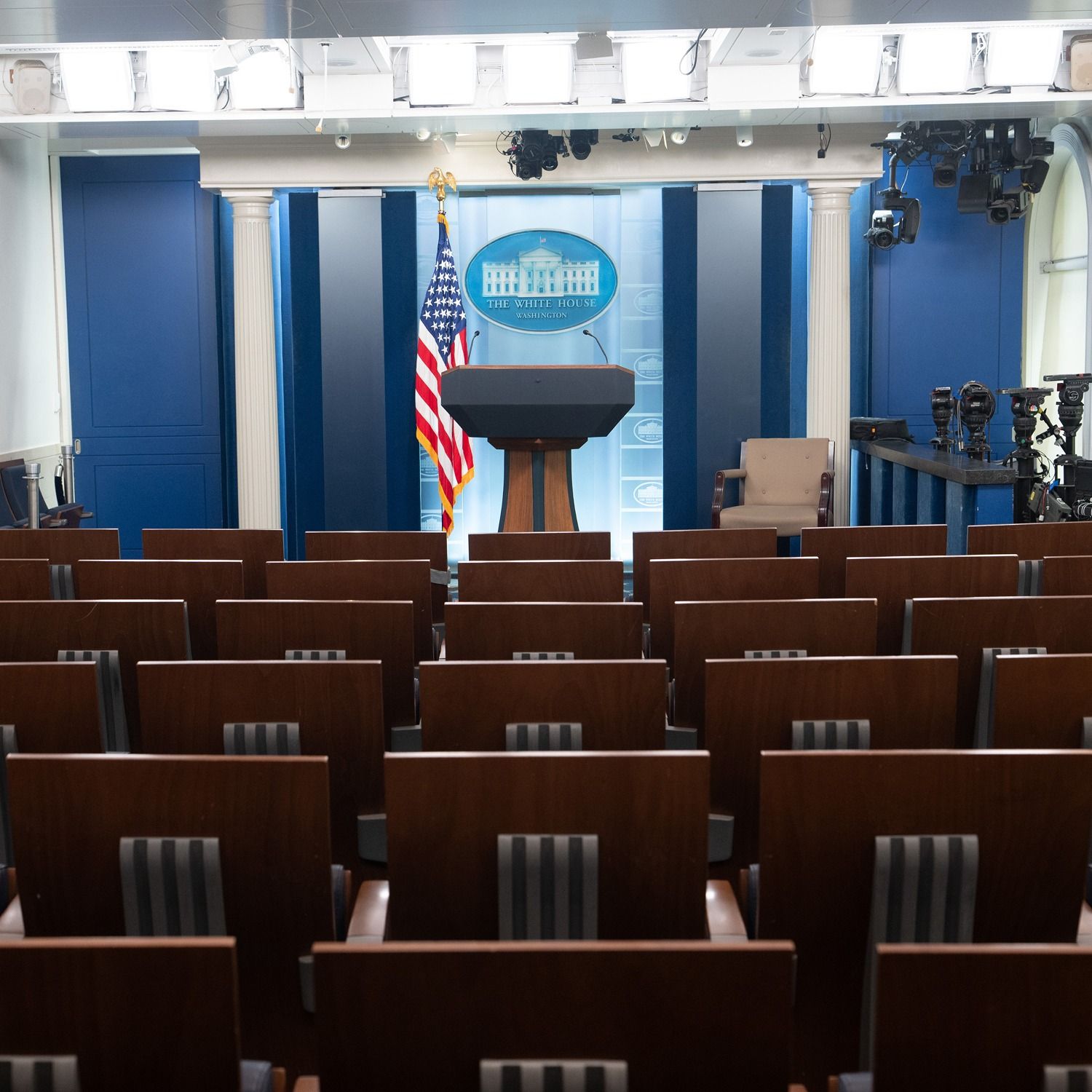
Overview of The Daily episode “Trump Banned the Media. This Time, the Media Struck Back.”
This episode covers a major clash between President Trump and the press after the White House barred CNN, Politico, and MSNBC from the grounds of the White House. In response, major television networks coordinated a rare act of solidarity and refused to provide the usual pooled TV coverage of Trump’s events, briefly depriving the president of the camera attention he typically relies on. The segment explains how the standoff unfolded, why it matters for press freedom and public accountability, and what legal and political fallout may come next.
What Happened
- Trump announced on Truth Social that the three outlets were barred from entering the White House grounds.
- By Saturday, reporters from the affected outlets were stopped at security checkpoints and had their badges disabled/confiscated.
- This was described as a significant escalation, even by Trump’s standards, because it targeted entire news organizations rather than individual reporters.
- In response, the five-network TV pool system broke with normal practice:
- ABC
- CBS
- NBC
- Fox News
- CNN
- Those networks refused to replace CNN in the pooled coverage rotation, meaning the White House lost the standard live-TV footage it normally gets distributed to outlets worldwide.
Why It Happened
The guests argue that this move came after Trump had suffered a series of setbacks and was turning back to a familiar target: the media.
Recent setbacks mentioned
- The Supreme Court did not side with him on his executive order regarding mail ballots.
- His pressure on the Federal Reserve did not produce the outcome he wanted.
- The war in Iran had not ended on the timeline he suggested.
- Polls showed weak approval ratings and a difficult political environment heading into the midterms.
The suggestion is that, after being rebuffed by other institutions, Trump focused on the one institution he still believed he could pressure: the press.
Why the Media Pushback Was a Big Deal
The White House TV pool is central to modern presidential coverage
- The pooled-TV system has existed for decades and is how most people see the president’s live remarks.
- It is a practical system that shares the cost of coverage among networks.
- It is also symbolic: it ensures the public can see and hear the president directly.
The blackout changed the nature of the coverage
- On Monday, Trump’s event at the White House was only available through the White House’s own YouTube stream.
- The audio was poor, making it hard to hear Trump or capture the full Q&A.
- The episode emphasizes that streaming and print can’t fully replace live TV in terms of scale, immediacy, and shared public visibility.
Why it matters beyond journalism
- The press corps sees this as part of its duty to “bear witness.”
- The episode notes that presidential TV coverage is especially important for:
- accountability
- transparency
- observing a president’s demeanor and fitness
- preserving an accurate public record
Trump’s Motives and the White House Response
- Trump defended the ban by saying the outlets write “fake stories” and shouldn’t be allowed into “the people’s house.”
- The administration tried to frame the move not as a ban, but as a refusal to grant “special access” to outlets it sees as unfair.
- Vice President J.D. Vance attempted to justify the decision by calling the coverage “propaganda,” but the hosts note the administration was forced into a defensive posture.
Legal Fight and What Comes Next
- CNN, Politico, and MSNBC filed a lawsuit seeking to restore access.
- A court hearing was scheduled for Wednesday morning.
- The guests suggest a court order could become an off-ramp for Trump:
- he could be forced to restore access
- while avoiding a public concession
Key Takeaways
- This was not just another anti-media rant; it was an actual, enforceable restriction on press access.
- The coordinated network response was highly unusual and showed rare cross-network solidarity.
- The conflict reflects a larger pattern of Trump using government power to punish critics.
- The standoff also highlights how much modern presidential accountability still depends on television coverage.
Other News Mentioned Briefly
- The episode ends with a short note that Paramount reached an agreement to buy Warner Bros. Discovery.
- As part of the deal, concessions were made to preserve editorial independence at CNN and CBS News.