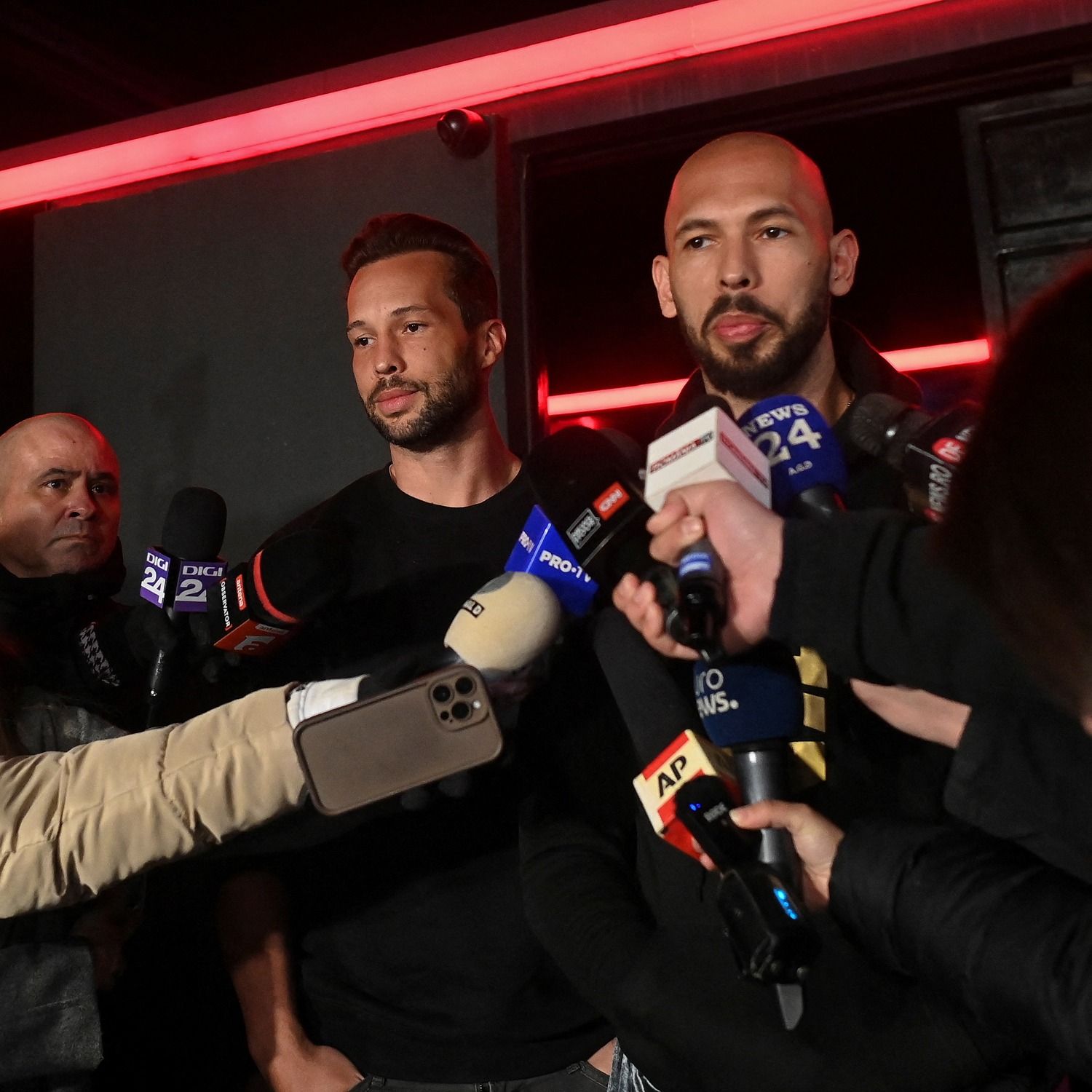
Overview of The Tangled Tale of the Tate Brothers and the Trumps
This episode of The Daily investigates how Andrew and Tristan Tate built a global brand around misogyny, porn, and “manosphere” culture, and how they later found powerful allies in Donald Trump’s orbit. The Times’ Megan Twohey explains that those alliances helped the brothers navigate legal trouble for years — especially in Romania — but appear to be unraveling as the Tate case becomes more serious and politically risky.
The Tate Brothers’ Rise and Reputation
- Andrew Tate is the more visible of the two brothers, though Tristan has been involved throughout.
- They were born in the U.S., raised partly in England after their parents split, and grew up with financial struggles.
- Andrew first gained attention as a kickboxing champion, but their real money came from online sex work and webcam businesses.
- The episode describes how they recruited women through romantic relationships, then pressured them into producing sexual content that primarily enriched the brothers.
- Multiple women later accused them of assault, strangulation, rape, and coercion, though the brothers denied the allegations.
Their ideological brand
- Beyond the business, Andrew Tate built a huge following by preaching:
- hyper-masculinity
- anti-feminism
- male “self-improvement” mixed with open misogyny
- He framed himself as a defender of men during the Me Too era, telling disaffected young men that feminism had gone too far and that he could restore masculine power.
- The episode argues that this message was extreme even within the manosphere, but highly effective with teenage boys and young men.
How the Tates Connected With Trump World
- After Donald Trump’s 2016 election, Tate publicly embraced Trump and the MAGA movement.
- Donald Trump Jr. noticed Tate’s support on social media, and the two began communicating.
- Tate later visited Trump Tower and described Don Jr. as friendly and engaged.
- As the brothers grew more famous, they also began selling courses and advice to men online, which expanded their reach across conservative and manosphere circles.
Key Trump-aligned allies
The episode says the Tates later gained sympathetic attention from several prominent conservative voices:
- Tucker Carlson
- Candace Owens
- Charlie Kirk
These figures did not necessarily endorse every allegation-free claim about the Tates, but they often framed them as important voices on masculinity and culture.
Romania, Legal Pressure, and the Trump Administration
- The Tate brothers moved to Romania after legal scrutiny increased in the UK.
- Romania became the center of a major criminal investigation into alleged trafficking, rape, and forming a criminal enterprise.
- Romanian authorities restricted the brothers from leaving the country during the investigation.
Their political strategy
According to the Times’ reporting:
- The Tates hired Joseph McBride, a U.S. lawyer associated with MAGA and January 6 defendants.
- McBride pitched Andrew Tate to Tucker Carlson, resulting in a long, sympathetic interview that went viral.
- Carlson’s interview cast Tate as a victim of a “war on masculinity,” minimizing or misrepresenting the severity of the allegations.
Behind-the-scenes influence
- The report says Trump-administration figures, including Richard Grenell, Paul Ingrassia, and Alina Habba, were publicly or privately supportive.
- Grenell reportedly discussed the Tates’ case with Romanian officials.
- Shortly afterward, Romanian authorities moved toward compromise and lifted the travel ban, allowing the brothers to leave for Florida.
- The episode presents this as a significant moment in which support from Trump’s orbit appears to have helped the Tates materially.
The Backlash and Current Turning Point
- Once the brothers arrived in Florida, the reception was not uniformly welcoming.
- Governor Ron DeSantis criticized them, and Florida’s attorney general opened an investigation.
- Conservative figures such as Ben Shapiro and Megyn Kelly also distanced themselves or criticized the idea of embracing the Tates.
New legal jeopardy
- The UK later issued 38 charges against the brothers, including:
- rape
- sex trafficking
- extreme pornography
- indecent images of children
- Those charges led to the brothers’ arrest in Miami on a U.K. extradition request.
- The episode suggests that this time, Trump-world allies are backing away rather than intervening.
Main Takeaways
- The Tate brothers turned scandal and misogyny into a powerful media brand.
- Their rise was amplified by the manosphere, conservative media, and anti-Me Too backlash.
- They successfully leveraged political and cultural alliances to gain protection and legitimacy.
- But the accumulating legal exposure — especially the newest British charges and extradition process — seems to have raised the cost of supporting them.
- The episode concludes that the Tates may have finally reached the limit of how far notoriety and political protection can carry them.
Notable Insight
- Megan Twohey’s core argument: the Tates are unusual not just because of the seriousness of the allegations, but because they have actively used those allegations to build fame, recruit supporters, and evangelize a worldview that degrades women.
- In her view, their recent legal setbacks may mark the point where that strategy finally stops working.