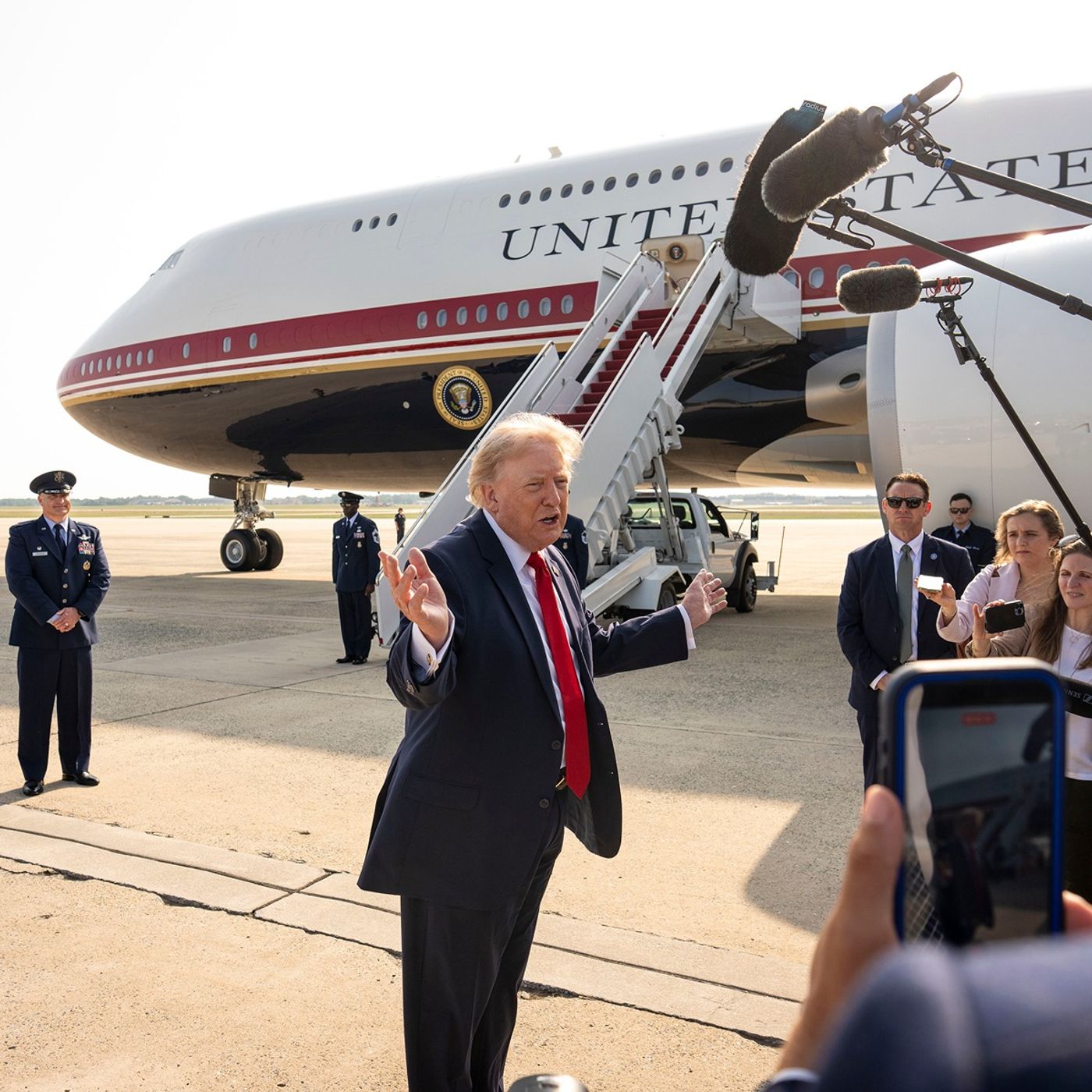
Overview of The President, His Plane and the Press
This episode of The Daily covers the Trump administration’s aggressive response to a New York Times report about the new Qatari-donated Air Force One, including FBI subpoenas delivered to Times reporters’ homes. The conversation centers on White House correspondent Tyler Pager, who explains how the reporting revealed that the president switched planes during a NATO trip because of Secret Service security concerns, contradicting Trump’s public claim that he used the old plane “for old time’s sake.” The episode also places the subpoenas in the broader context of the administration’s escalating pressure on the press and the legal fight now underway.
What the Reporting Found
The Air Force One swap
- Trump traveled to Turkey and then to England amid rising tensions with Iran.
- He publicly said he would fly the old Air Force One home “for old time’s sake.”
- Times reporters later learned the real reason: the Secret Service had concerns about the safety of the new Qatari plane and urged the president not to use it for the return leg from Turkey.
- The story reported that the new plane lacked some of the defensive systems and countermeasures of the traditional Air Force One.
Why the plane raised concerns
- The Qatari jet was originally built as a luxury aircraft, not as a hardened presidential transport.
- Retrofitting it quickly left questions about whether all critical anti-missile and protective systems were in place.
- The concern became sharper because Trump was in the region while hostilities with Iran were resuming.
The Government Response
FBI visits and subpoenas
- After the story was published, FBI agents showed up at several Times reporters’ homes with subpoenas.
- The subpoenas ordered the reporters to appear before a grand jury in New York.
- The Justice Department said the reporters were not the targets; rather, the government said it was investigating people who leaked classified information.
Unusual White House involvement
- Tyler Pager says FBI Director Kash Patel reportedly spent hours at the White House overseeing the leak investigation.
- That is portrayed as a major break from longstanding norms separating the White House from DOJ/FBI investigations.
Why This Matters
Press freedom concerns
- The Times’ top lawyer called the subpoenas a “brazen act” meant to intimidate journalists and block the public from learning what is happening.
- The episode emphasizes that forcing reporters to reveal sources can chill future whistleblowing and weaken investigative journalism.
- It notes that subpoenas for journalists are supposed to be a last resort, not a first step.
A broader pattern
- The episode frames the subpoenas as part of a larger Trump-era campaign against media organizations:
- lawsuits and threats of lawsuits
- criticism of “fake news”
- restrictions on press access and travel pools
- Senators in confirmation hearings also pressed DOJ officials about the rush to issue subpoenas.
Current Status
Legal fight ahead
- The New York Times has filed a motion to quash the subpoenas.
- The matter is sealed for now, and a federal judge will ultimately decide whether the subpoenas stand.
- Reporting continues despite the pressure and legal risk.
Main Takeaways
- The Times’ reporting suggested Trump’s plane switch was driven by real security concerns, not nostalgia.
- The administration’s response escalated into an unusual and aggressive leak investigation.
- The case raises major questions about:
- presidential security
- government transparency
- press independence
- whether source-protection norms are being eroded
Bottom Line
The episode is both a behind-the-scenes account of a high-stakes Air Force One story and a warning about the Trump administration’s treatment of the press. It shows how a seemingly narrow security report led to subpoenas, legal conflict, and a broader debate over the freedom of journalists to protect confidential sources.