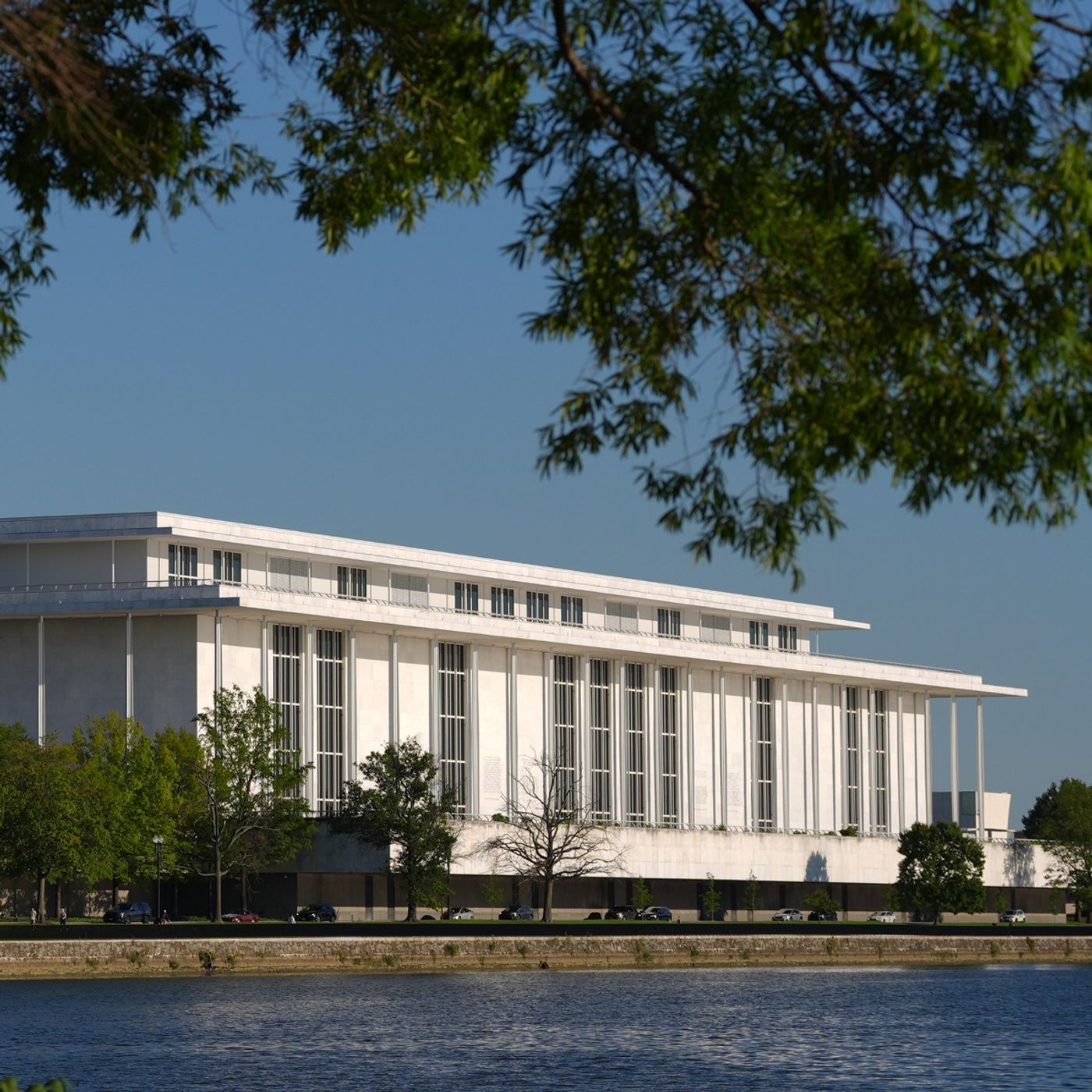
Overview of The Life and, for Now, the Death of the Kennedy Center
This episode of The Daily examines how President Trump transformed the Kennedy Center from a broad, publicly beloved performing arts institution into a political battleground — and, for now, a closed building. The story begins with an elderly volunteer guide, Sandy Weiswasser, whose once-busy tours now feel like a eulogy for a place she has loved for decades. From there, the episode traces Trump’s long resentment of cultural elites, his second-term takeover of the center, the fight over renaming it, and the final shutdown that followed.
What Happened to the Kennedy Center
Trump’s motivation
- Trump’s hostility toward the Kennedy Center dates back to his first term, when major Kennedy Center Honors recipients signaled they didn’t want to meet him at the White House.
- That rejection appears to have hardened into a broader view that the institution represented elite cultural forces that had rejected him.
The takeover
- In 2025, early in his second term, Trump used his power to appoint board members and purge Biden-era appointees.
- He installed loyalists, including Richard Grenell, to oversee day-to-day operations.
- The board then replaced longtime chair David Rubenstein with Trump himself.
Turning the Kennedy Center into a partisan space
- Under Trump and Grenell, the center changed from a broadly inclusive arts venue into something more ideologically driven.
- Staff were fired in waves, including a severe reduction in fundraising personnel.
- Artists and performers began canceling appearances as the center’s reputation deteriorated.
- At the same time, conservative events such as CPAC were welcomed in at discounted rates, signaling a shift in who the space was for.
The Naming Fight and the Legal Backlash
Trump’s name on the building
- During the Kennedy Center Honors, Trump hinted that his own name should be on the building.
- Soon after, the board voted to put “Donald J. Trump” above the original name on the facade.
The lawsuit
- Congresswoman Joyce Beatty sued, arguing that only Congress could rename the building because of how it was created and later designated a memorial to John F. Kennedy.
- A court agreed that the name change required an act of Congress.
The removal of Trump’s name
- Trump’s name was removed in the middle of the night, hidden behind tarps.
- The removal became a symbolic defeat: he had taken over the institution, but could not fully make it his own.
Why the Center Closed
From renaming to demolition talk
- After losing the naming battle, Trump began arguing that the Kennedy Center was in dangerous disrepair.
- He floated the idea that it might need renovation or even demolition.
The plaster incident
- A storm caused a five-foot section of plaster to fall in the main foyer.
- Rather than simply repair it, the incident was used to justify a broader closure.
- The board voted on September 15 to close the building entirely.
Impact and Public Reaction
Immediate consequences
- Employees lost jobs.
- Tours stopped.
- Exhibits, performances, and public access vanished.
- Events that had taken years to book were displaced elsewhere.
Public mourning
- Thousands protested the closure.
- Attendees shared personal memories of dates, family traditions, holiday performances, and childhood visits.
- Some formed a human chain around the building, treating it like something alive that needed protection.
Key Takeaways
- The episode frames the Kennedy Center not just as a building, but as a symbol of public, accessible arts in America.
- Trump’s actions are presented as a mix of personal grievance, political retribution, and cultural rebranding.
- The center’s closure is portrayed as the culmination of a political power struggle that turned an arts venue into a wreckage site.
- The core irony: Trump claimed the center was elitist and exclusionary, but his takeover ultimately made it less open to the public than ever.
Notable Theme
The episode’s emotional center is the idea that the Kennedy Center’s story has shifted from celebration to mourning. What was once a place of performances, community, and public access now feels, at least temporarily, like a memorial to what it used to be.