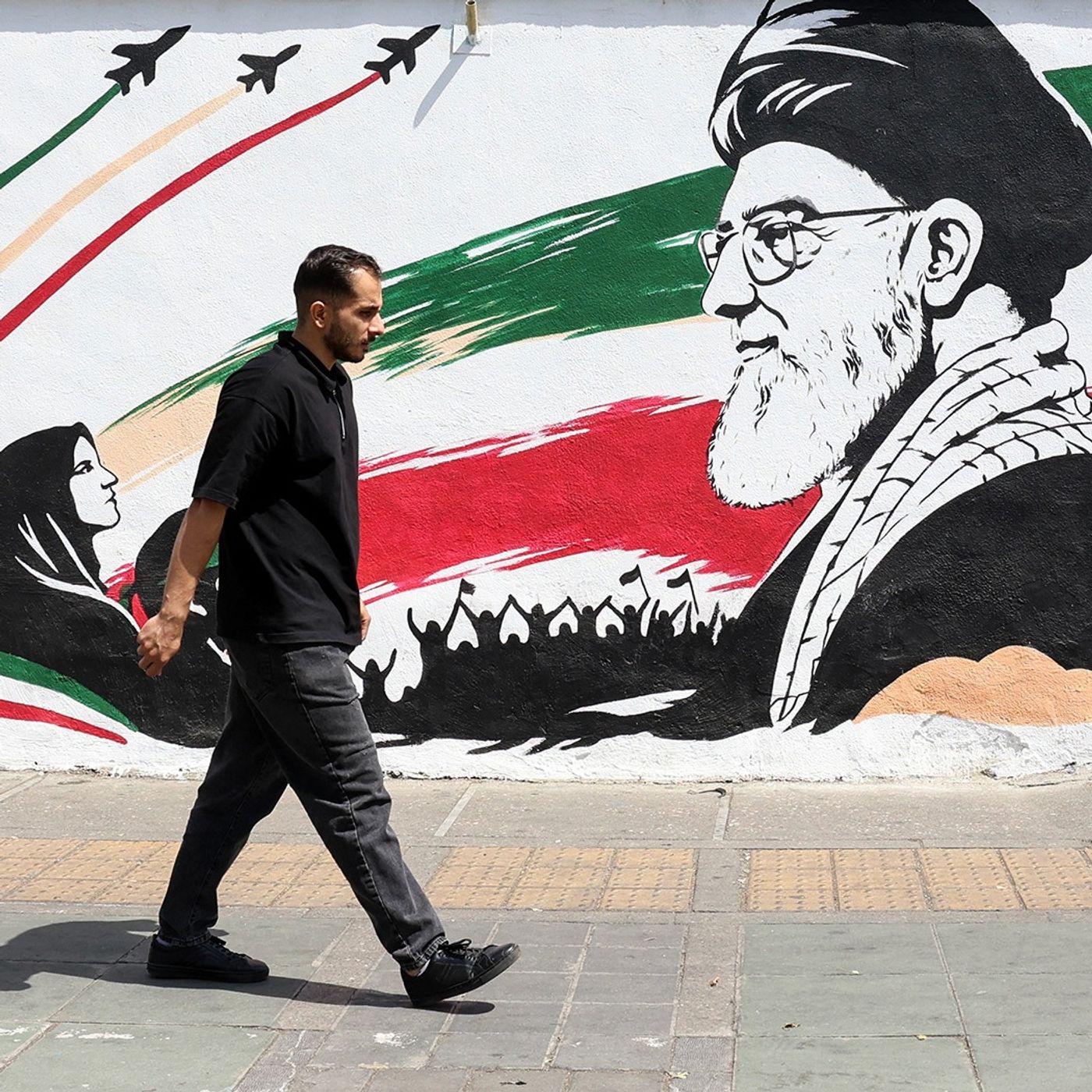
Overview of The Iranians Who Want More War
This episode of The Daily examines the deep split inside Iran after a brief pause in fighting with the United States: a small but influential faction of hardliners is pushing to continue the conflict and seek revenge, even as parts of Iran’s leadership and much of the public appear to want de-escalation, peace, and economic recovery. Through reporting from a highly controlled funeral in Tehran and analysis from Iran expert Farnaz Fassihi, the episode shows how the country’s future is being shaped by a battle not just with external enemies, but within its own ruling system.
What the Episode Is About
The episode centers on:
- A temporary pause in U.S.-Iran hostilities after 13 days of airstrikes
- A state-managed funeral in Tehran for Iran’s slain supreme leader, used to showcase public mourning and defiance
- The emergence of a dangerous internal power struggle over whether Iran should:
- honor a peace process with the U.S., or
- restart the war and pursue revenge
What Reporter Abdi Latif Tahir Saw in Iran
Abdi Latif Tahir, one of the few Times reporters allowed into Iran in months, describes a tightly controlled visit:
- He and the crew were constantly monitored by government minders and translators.
- Their movements, interviews, and locations were heavily managed.
- The government appeared eager to show massive public mourning for the dead leader.
At the funeral and procession:
- Crowds were enormous and emotionally charged.
- Grief often shifted quickly into anger and defiance.
- The dominant message from many mourners was revenge, not diplomacy.
- Slogans like “death to America” and “death to Israel” were prominent.
- Some attendees openly rejected negotiations with the United States.
A notable moment came when mourners confronted Iranian officials who had participated in peace talks:
- President Masoud Pezeshkian was nearly knocked down by angry crowds.
- Foreign Minister Abbas Araghchi was reportedly pelted with stones and forced to leave.
The Main Political Divide Inside Iran
Farnaz Fassihi explains that Iran’s ruling conservative bloc is fractured into two broad camps:
Ultra-hardliners
Led by figures such as Saeed Jalili, this faction believes:
- Iran should never negotiate with the United States
- Israel must be destroyed
- The revolution’s original anti-Western ideology should remain the guiding force
- War and confrontation are preferable to compromise
They are a minority, but they are loyal, vocal, and highly mobilizable.
Pragmatists / governing conservatives
This camp includes:
- Senior officials in the government
- Powerful Revolutionary Guards figures
- Parliamentary leadership such as Mohammad Bagher Ghalibaf
Their view is more practical:
- Use wartime leverage to negotiate
- Lift sanctions
- Stabilize the country
- Avoid endless war and further economic collapse
The Role of Mojtaba Khamenei
A major source of uncertainty is the new supreme leader, Mojtaba Khamenei:
- He has remained largely out of sight.
- He lacks the political and religious authority of his predecessor.
- Both sides claim to have his support.
- He has not clearly endorsed either the hardliners or the pragmatists.
This leadership vacuum gives hardliners more room to maneuver and makes it easier for the system’s internal divisions to deepen.
What the Ordinary Public Wants
Fassihi emphasizes that most Iranians are not aligned with either faction:
- Many do not support the Islamic Republic
- Many do not want war
- Most are exhausted by sanctions, inflation, instability, and fear
She describes a kind of silent majority that feels trapped between:
- the United States
- Israel
- Iran’s own rulers
The episode cites severe economic strain, including:
- near-collapse conditions
- massive inflation on basic groceries
- public anger at leaders advocating conflict from protected positions
The Big Question: Who Ordered the Attack on U.S. Ships?
The episode also focuses on Iran’s surprise strike on ships in the Strait of Hormuz, which threatened to unravel the peace process.
Key uncertainty:
- The attack was not officially claimed by Iran.
- U.S. officials and Iranian sources suggested it may have been carried out by rogue hardline elements in the Revolutionary Guards.
- That would mean some actors inside Iran may be willing to sabotage peace even without top-level approval.
This is presented as evidence of how unstable and divided Iran’s internal power structure has become.
Why This Matters
The episode’s central takeaway is that Iran is not simply negotiating with the United States as a unified state. It is also fighting an internal contest over the country’s identity:
- Should Iran keep resisting and seeking revenge?
- Or should it pivot toward diplomacy and reconstruction?
The answer may determine:
- whether the war resumes
- whether the peace deal survives
- how much power the hardliners can wield
- what kind of Iran emerges from the conflict
Additional News Mentioned
At the end of the episode, The Daily briefly covers major wildfires in Europe:
- France and Spain are facing extreme heat
- Firefighting officials warn of one of the worst wildfire seasons in modern history
- Large evacuations have already taken place
- Scientists’ warnings about climate emergency are again highlighted
Key Takeaways
- Iran’s apparent peace process is fragile and may be undermined from within.
- Hardliners inside the system are pushing for revenge and continued confrontation.
- Pragmatists want diplomacy, but they may not have enough authority to enforce it.
- The public is largely weary of war, but has little power to shape policy.
- The absence of a strong, decisive supreme leader is making the system more volatile.