Overview of The Good, the Bad and the Good-Bad (Movie)
This Sunday edition of The Daily from The New York Times explores the appeal of “good-bad” movies — films that may be flawed, cheesy, over-the-top, or even objectively bad, but remain wildly entertaining, endlessly rewatchable, and deeply beloved. Host Rachel Abrams talks with culture writer Maya Salam, who has been writing about the topic for The Times, and later brings in Gilbert Cruz and Taffy Brodesser-Akner for a playful debate over which movies best fit the category.
What Makes a Movie “Good-Bad”?
Maya Salam defines a good-bad movie as one that has:
- At least one, and often several, completely over-the-top or absurd elements
- Strong watchability and rewatchability
- A sense of infectious fun, even if it is not “great cinema”
- Emotional or nostalgic value that keeps people returning to it
The episode emphasizes that “good-bad” is subjective — there is no single correct rubric. What matters is that these movies spark strong feelings, inside jokes, and repeat viewings.
Why People Love These Movies
The conversation lands on a few recurring reasons these films endure:
- Nostalgia: Many are tied to childhood, adolescence, first dates, or a specific era of life.
- Shared experience: They are perfect for group watching and joking around.
- Pop culture memory: Even if people haven’t seen them, they often know the title and key moments.
- Low-stakes fun: They invite debate without requiring anyone to be “right.”
The panel also notes that in an era without a strong monoculture, good-bad movies offer a rare shared reference point.
Movies Discussed
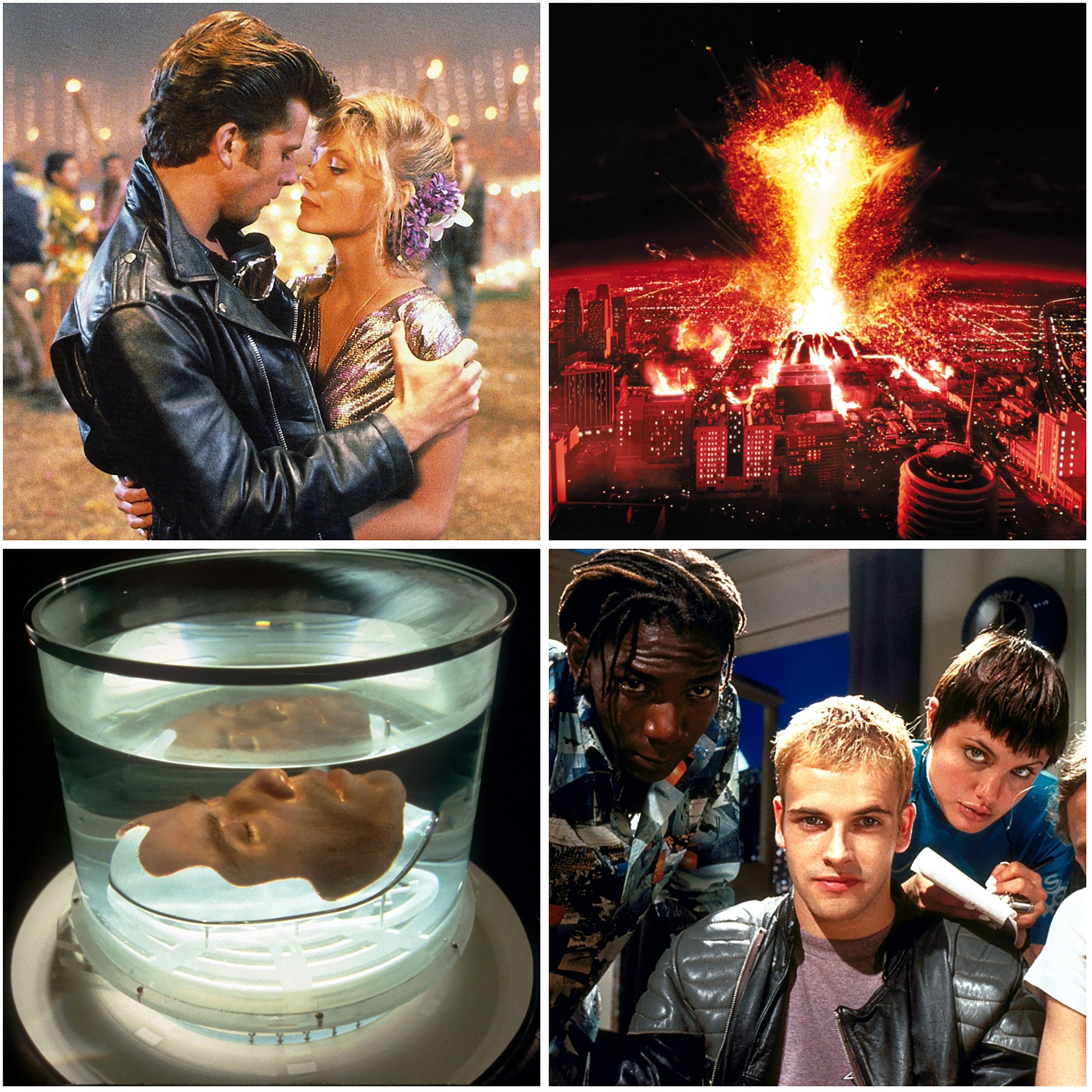
Volcano (1997)
Maya Salam uses Volcano as a classic example:
- Starring Tommy Lee Jones, Anne Heche, Don Cheadle, and a young Gaby Hoffmann
- The absurdity comes from characters staying unnaturally calm while lava and destruction unfold around them
- The “bad” element is the film’s clumsy attempt to turn the volcano into a metaphor for racial tension in Los Angeles, including a cringe-worthy ending involving colorblindness
Grease 2 (1982)
Maya’s personal pick is Grease 2:
- Often dismissed as inferior to Grease, but celebrated as camp
- Michelle Pfeiffer’s first lead role
- Full of cheesy songs, raunchy innuendo, and extremely earnest energy
- A standout scene involves a bowling musical number that is both ridiculous and weirdly seductive
Hackers (1995)
Gilbert Cruz’s pick is Hackers:
- A vibes-heavy movie more about style than plot
- Famous for neon cyberpunk fashion, rollerblades, techno music, and exaggerated “hacking” visuals
- The computer imagery now feels hilariously outdated, making the film a time capsule of how the 1990s imagined the internet
- Matthew Lillard’s performance is singled out as especially memorable
Face/Off (1997)
Taffy Brodesser-Akner’s choice is Face/Off:
- Nicolas Cage and John Travolta literally swap faces
- Directed by John Woo
- Full of slow motion, operatic action, and total commitment to its own absurd premise
- The panel ultimately agrees this is not just good-bad, but “great bad”
- Rachel Abrams ends up watching it and reports back that, in her view, it is simply bad — though the others insist that is part of the fun
Main Takeaways
- “Good-bad” movies sit in a cultural sweet spot between prestige cinema and outright flops.
- Their charm often comes from excess: bad dialogue, melodrama, clunky plotting, or wildly dated special effects.
- They are especially powerful when paired with nostalgia.
- The value of these movies is not in critical perfection, but in how much fun they are to watch and argue about.
- The episode treats movie taste as a conversation, not a verdict.
Final Note
The episode ends on the idea that arguing over these films is part of the pleasure. Whether you think Face/Off is a masterpiece of camp or just plain bad, the debate itself is the point.