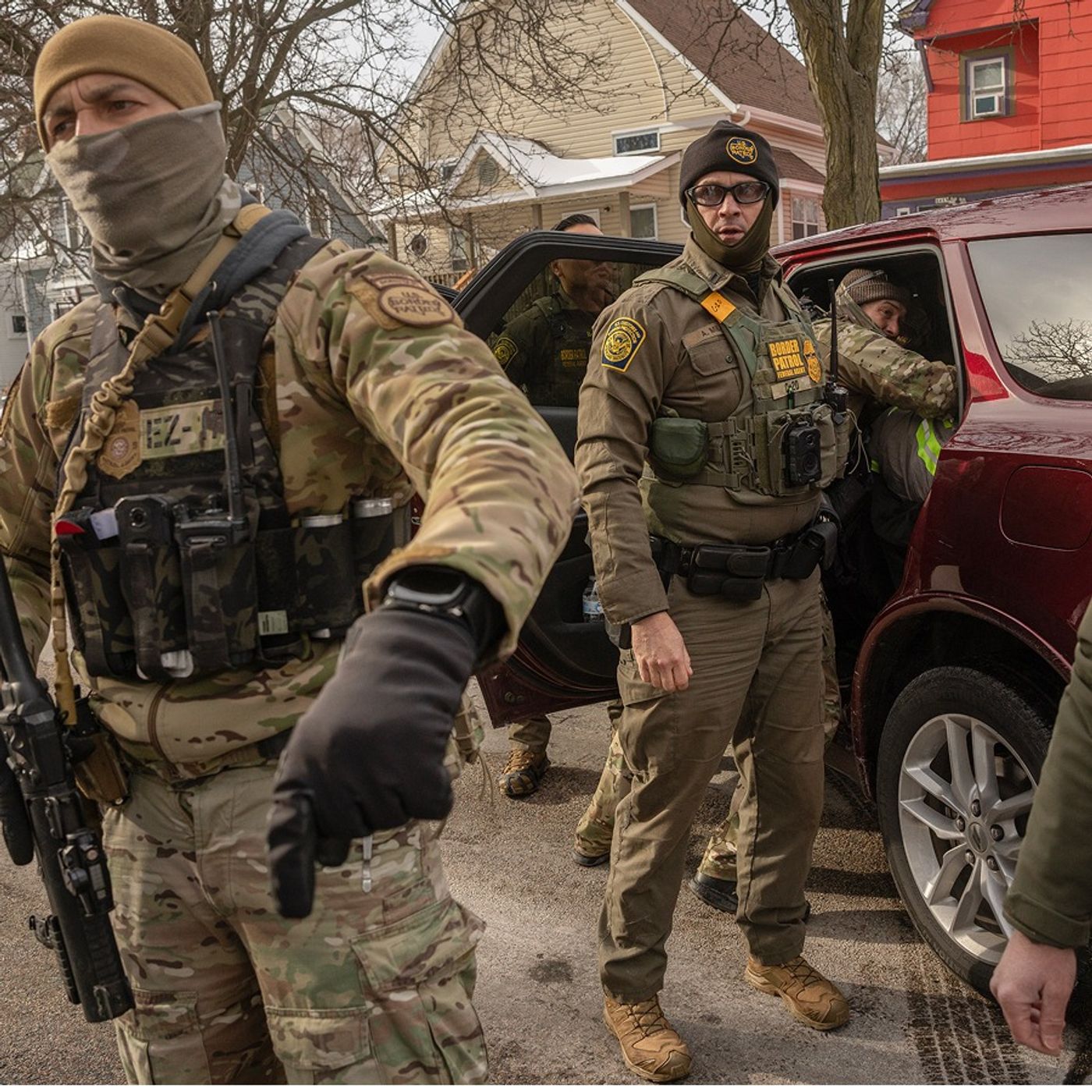
Overview of Why Trump Voters Are Torn Over Minneapolis
This New York Times Daily episode reports conversations with more than a dozen Trump voters about how recent federal immigration enforcement operations in Minneapolis — and two killings of U.S. citizens connected to those operations — have created a conflict between two core MAGA priorities: strict immigration control and skepticism of heavy-handed government force. Reporters speak with voters who have shifted from full-throated support to unease or regret, and with others who still back aggressive deportation efforts despite the deaths and protests.
Key themes
- Clash of priorities: Many Trump voters feel torn because they support strong immigration enforcement but also distrust excessive use of federal force against civilians.
- Shock and reassessment: Graphic videos and news of civilians being detained or killed prompted some longtime Trump supporters to rethink their backing of specific tactics or officials.
- Tribalization and messaging: Voters described officials and media quickly settling into partisan narratives, which intensified disappointment among those who expected scrutiny and restraint.
- Economic drivers: For some supporters, especially working-class laborers, immigration remains an economic issue — competition from undocumented workers shaped their vote and keeps them focused on deportation goals.
- Diverging conclusions: Reactions ranged from full regret (regret votes) to qualified support (continue the mission but do it differently) to doubled-down positions (enforce deportations even more forcefully).
Voices and profiles (representative examples)
-
Voters who regret their vote
- Several voters (examples from Kentucky and Georgia) said incidents in Minneapolis — including the detention and killing of U.S. citizens — were a “wake-up call.” They felt betrayed by what they saw as inhumane tactics and misstatements from officials, and some now regret voting for Trump.
- Quote: “People hate that I use the word bamboozled, but that's the best way I can describe how I feel.”
-
Wilk Wilkinson (Minnesota, repeated Trump voter, nonprofit worker)
- Believes in the rule of law and supports deportation goals, but after analyzing video of a killing, concluded that public statements from officials were fabricated and the enforcement methods were wrong.
- A Second Amendment supporter who nonetheless worries about federal overreach and erosion of constitutional protections.
- Position: Still supports the goal of enforcing immigration laws, but opposes undue federal force and misleading official narratives.
-
John (central Massachusetts, construction/masonry worker)
- Immigration is personal and economic — he sees undocumented labor as undercutting wages, jobs, and contractors’ ability to pay living wages.
- Wants mass deportations and stricter enforcement even while acknowledging the human cost and worrying about violent confrontations.
- After the Minneapolis killings he still urged staying the course: “Just because the job isn't working doesn't mean you stop doing the job.”
-
Voters who remain strongly supportive
- Some repeatedly voiced that if you voted for Trump’s immigration agenda, you must support it through hard, messy enforcement; “it could be ugly” but necessary.
- Emphasis on the need to "remove all illegal immigrants" to protect U.S. workers and wages.
Notable quotes
- “You play stupid games, you win stupid prizes.” (used to justify a harsh view toward protesters who confront agents)
- “It was an open book test. Everything was right there… I was bamboozled.” (voter expressing betrayal)
- “The Constitution has my support.” (Wilk, emphasizing constitutional limits over blanket presidential support)
Data and context cited in the episode
- Polling snapshot mentioned: roughly 30% of Republicans think immigration enforcement tactics have gone too far; the majority still say enforcement is on track or should be harsher.
- Reporters repeatedly reference multiple fatalities in Minneapolis tied to federal immigration operations; video footage and official statements (and misstatements) are central to voters’ reassessments.
Main takeaways
- The Minneapolis incidents crystallized a tension inside Trump’s coalition: the desire for strict immigration control versus conservative suspicion of government coercion.
- Personal stories matter: for many working-class voters, immigration is foremost an economic issue; for others, seeing force used against civilians triggered broader constitutional concerns.
- Messaging and factual accuracy matter to persuadable voters: perceived lies or tribal defenses from leaders (and pundits) made some supporters withdraw or reconsider their trust.
- The coalition is not monolithic — reactions range from regret and calls for restraint to calls for doubling down and accepting violent risks as part of enforcement.
Implications and what to watch next
- Political: The administration’s handling of enforcement operations and its public messaging could sway a nontrivial slice of Republican voters; continued missteps may deepen fractures.
- Policy: How federal, state, and local law enforcement coordinate (or refuse to) will affect both outcomes on the ground and public perceptions.
- Media and narrative: Ongoing release and analysis of video and investigative reporting will shape who these voters trust going forward.
Caveat / transcript note
The episode transcript contains some name/title inconsistencies (official titles and a few proper names are unclear or misattributed in the transcript). The summary focuses on the voters’ perspectives and the episode’s themes rather than on disputed or unclear attributions.
Questions the episode raises
- Can a tough immigration agenda be pursued without alienating conservative supporters who fear government overreach?
- Will more transparency and accountability in enforcement operations restore some supporters’ trust — or will the incidents cause permanent realignment among portions of the base?
- How will local jurisdictions’ cooperation (or resistance) shape the feasibility and political cost of mass deportation efforts?
Produced by The New York Times — the episode offers a useful ground-level snapshot of how policy, optics, and personal experience interact to change political allegiance.