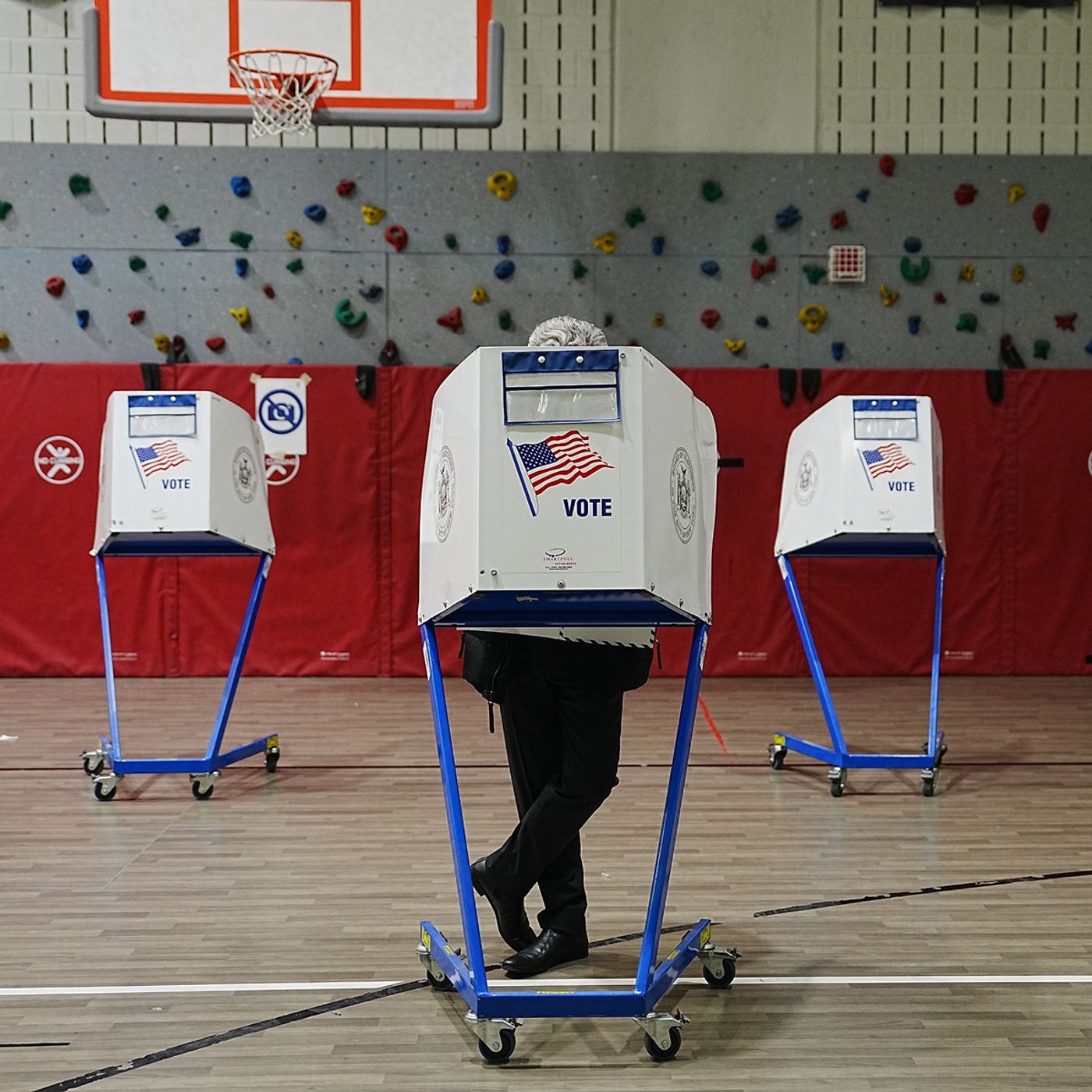
Overview of Trump Wants to Change How We Vote. Will He Succeed?
This episode of The New York Times’ The Daily (host Rachel Abrams) examines the Save America Act — a sweeping elections bill championed by President Trump — and other parallel efforts from his administration that could reshape U.S. elections ahead of the 2026 midterms. Reporters Michael Gold and Nick Corasaniti explain what the bill would do, why it’s politically important to Trump, why it’s unlikely to pass the Senate, and what other federal- and state-level moves could achieve similar ends (or at least fuel doubts about election integrity).
Key points and main takeaways
- The Save America Act bundles strict voting rules (citizenship checks, photo ID, mail‑vote limits, handing voter rolls to DHS) with unrelated transgender policy measures; Trump calls it his top priority and threatens to withhold support for other legislation if it doesn’t pass.
- The bill passed the House on party lines but is very likely to fail in the Senate because Republicans lack 60 votes to overcome the filibuster; many Senate Republicans refuse to eliminate the filibuster.
- Senate Majority Leader John Thune opted to bring the bill to the floor mainly to force a public debate and recorded positions, not because it can pass.
- Even if the bill fails, the administration is pursuing a multi‑pronged strategy — DOJ/FBI probes, demands for state voter rolls, pressure on state election officials — that could alter election administration or at least sow doubt about outcomes.
- The most consequential effects may come at the state and local level, where new election officials and laws in key jurisdictions (e.g., Georgia, parts of Michigan and Arizona, and battleground U.S. House districts like in Texas) could change how midterms are run.
- The biggest long‑term risk is erosion of public trust in elections; actions that appear to interrogate or seize ballots, or that nationalize voter lists, can deepen doubt even without successful federal legislation.
What the Save America Act would do
- Require proof of U.S. citizenship when registering to vote.
- Require photo ID at the polling place.
- Require states to turn over their voter rolls (including sensitive, personally identifiable information) to the Department of Homeland Security for review.
- Largely ban mail‑in voting, with a few narrow exceptions.
- Add two unrelated provisions restricting medical care for transgender minors and banning transgender women and girls from female sports — forcing Democrats into politically difficult votes.
- President Trump has framed the bill as necessary to “save America” from alleged election fraud despite no evidence of widescale cheating.
Senate dynamics and the filibuster
- The filibuster requires 60 votes to advance most legislation. Republicans have 53 seats, so they cannot pass the bill without Democrats or abolishing the filibuster.
- Many Republican senators, including John Thune, oppose scrapping the filibuster to preserve Senate institutional power and future minority protections.
- Thune’s decision: bring the bill to the floor for debate and a recorded vote—largely to show positions and relieve pressure—but the bill is widely expected to fail in the Senate.
Other administration strategies and risks (from Nick Corasaniti)
- DOJ/FBI actions: Unusual raids and subpoenas (e.g., Fulton County warehouse, Maricopa County subpoena, materials taken from Detroit) could be used to generate reports or allegations that lend credence to claims of 2020 fraud or justify future federal interventions.
- National voter roll push: The administration has sought state voter files (including SSNs and driver’s license numbers) to build a national database. Election experts warn these snapshots are imperfect, could be misused, and might be manipulated to “prove” false claims.
- Federal agents and troops: Federal law bars armed troops inside polling places, but concerns remain about federal presence in cities, immigration enforcement operations, or other interventions that could intimidate voters or disrupt local administration.
- Courts: Legal checks exist (e.g., courts blocked a prior executive order attempting election changes), but the judiciary is increasingly politicized and rulings can be slow — allowing potential damage before remedies.
- States and local officials: Decentralization is a protection, but some local/state officials have changed since 2020. State election boards and new laws (e.g., Georgia’s ability to remove local election officials) could materially affect how elections are run.
Notable insights and quotes
- Reporter framing: This is both about policy details and optics — forcing Democrats to defend positions on voter ID and transgender provisions, and creating doubt about election outcomes Republicans don’t win.
- Trump’s approach: He has reportedly said the Save America Act is his top priority and has even mused about seizing voting machines or nationalizing elections — statements that raise alarms among election experts.
- Practical point: Even unsuccessful federal moves (raids, subpoenas, public claims) can erode public trust and produce immediate effects on voter behavior and perceived legitimacy.
What to watch next (actionable items)
- Senate schedule: votes and whether the debate produces any procedural rule changes.
- DOJ/FBI developments: results of investigations, any public reports or affidavits, and legal challenges.
- State responses: whether secretaries of state hand over voter files to federal agencies and any litigation challenging those demands.
- State election boards and local officials in key jurisdictions (Georgia, Arizona, Michigan, Texas): personnel changes or use of new state powers to replace election administrators.
- Court rulings that could block or permit federal or state actions before or during the midterms.
- Public‑opinion and turnout indicators — watch for signs that erosion of trust is affecting participation.
Bottom line
The Save America Act itself is unlikely to pass the Senate because of the filibuster and unified Democratic opposition, but the administration’s broader campaign — federal investigations, data requests, pressure on state officials, and provocative rhetoric — could still reshape election administration or, at minimum, deepen doubts about election legitimacy in ways that matter for the 2026 midterms.