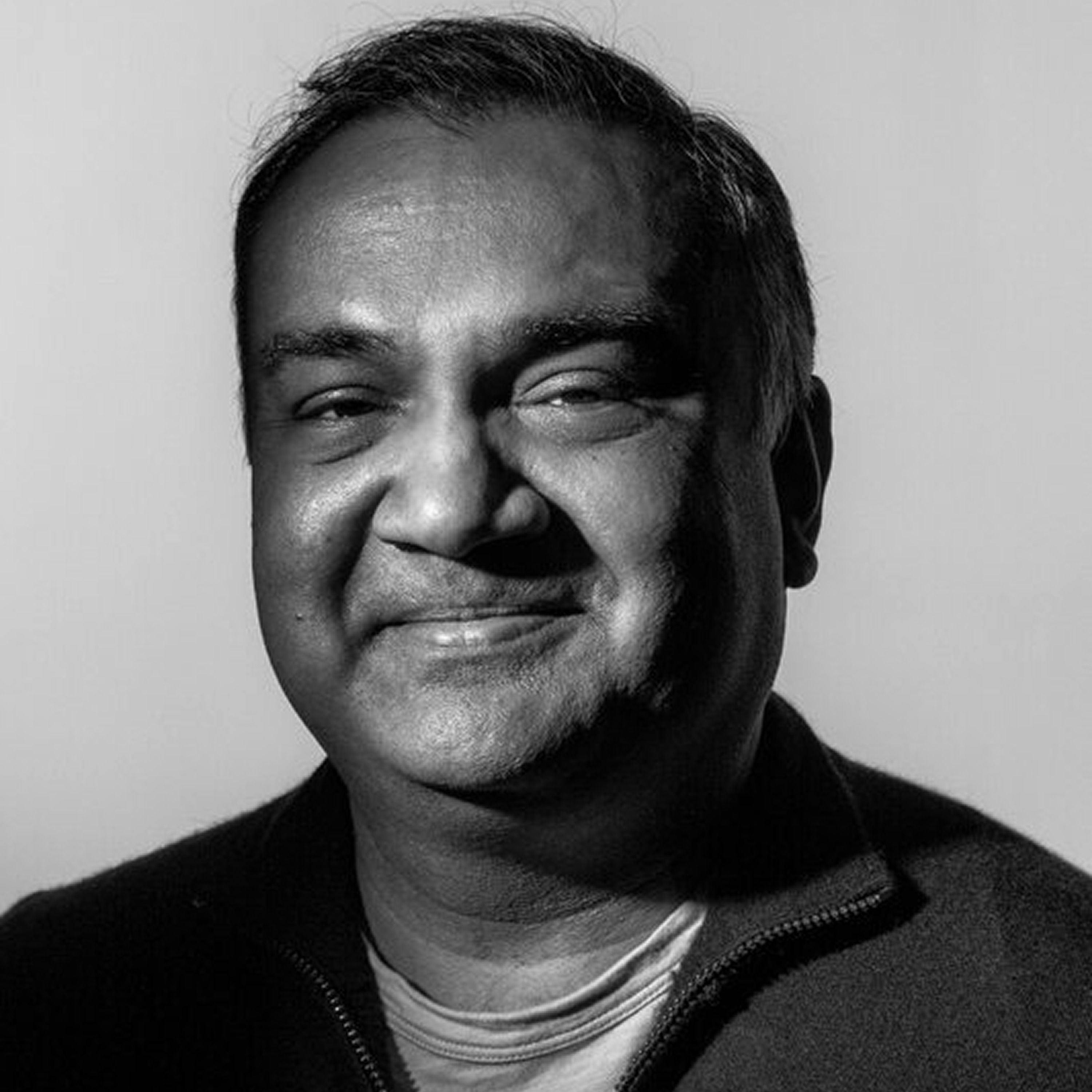
Overview of The Interview: "What Is YouTube’s Dominance Doing to Us? We Asked Its C.E.O."
This episode of The New York Times podcast The Interview features host Lulu Garcia‑Navarro speaking with YouTube CEO Neil Mohan about YouTube’s cultural and commercial dominance, the platform’s responsibilities (especially toward children), content moderation, creator economics, competition, and the challenges and opportunities of AI. Mohan frames YouTube as a global, creator‑driven platform and explains the company’s product and policy choices while defending its approach to free expression, parental controls, and new technologies.
Key topics discussed
- YouTube’s scale and cultural role
- ~2 billion people visit YouTube daily (Mohan’s figure).
- YouTube is the top streamer in U.S. living rooms for several years; connected TV is now the primary consumption method in the U.S.
- Positioning: “creators are the new prime time.”
- Creators and competition
- YouTube as an incubator: creators grow on YouTube then expand to books, products, deals (Mr. Beast example).
- Concerns about creators moving to Netflix, Apple, Meta — Mohan says creators see YouTube as “home.”
- YouTube TV and live/tentpole events
- Deals with NFL (Sunday Ticket, creator integration, multi‑view) and the Oscars (from 2029).
- Strategy: unify short‑form, long‑form, live events in one TV experience.
- Children, attention and learning
- Debate over visual/video learning vs. reading and effects on attention spans.
- Mohan: video is a legitimate learning modality (example: his dyslexic daughter benefits from visual learning).
- Emphasis on protecting kids “in the digital world” rather than removing access.
- Content moderation and free speech
- YouTube balances being an open platform with community guidelines.
- Examples discussed: suspensions and later reinstatement of Donald Trump’s channel (Mohan says policies and context changed); removal of dislike counts as a trade‑off to protect marginalized creators from harassment.
- Enforcement is video‑by‑video and guided by published rules, but inevitable criticism comes from all sides.
- Lawsuits and harms
- A recent California jury found YouTube (and Meta) negligent in a teen‑harm case (verdict occurred after interview); Mohan says he cannot comment on active litigation but emphasizes parental controls and product features to help.
- AI: tools vs. “AI slop”
- Mohan calls low‑quality mass‑produced AI content “AI slop” and says YouTube is focused on preventing feeds being flooded with it.
- Platform will provide creator tools but also invest in labeling, likeness detection and extending Content ID‑style protections to AI use.
- He acknowledges disruption is likely but argues human authenticity and storytelling remain central.
Main takeaways
- YouTube sees itself as a broad, global video ecosystem — short clips, long‑form, live events — and is betting on being the unified TV experience for today’s viewers.
- The company prioritizes creators and claims that YouTube is the primary home and discovery engine for creator careers; other platforms and studios often follow rather than replace that ecosystem.
- YouTube faces persistent criticism over moderation, misinformation and youth harm; its stated approach is to publish clear community guidelines, enforce them at scale, and build parental and safety tools.
- AI is both an empowerment and a threat: it can democratize creation but also amplify low‑quality or deceptive content; YouTube wants to limit “AI slop” while enabling creative uses and protecting likenesses.
- Many policy choices are context dependent and change over time; Mohan emphasizes principle‑driven decision making and the difficulty of trade‑offs.
Notable quotes & insights
- On measurement: “We measure ourselves by this concept of whether viewers... are satisfied by their experience on YouTube.”
- On creators and home: “No matter what they look to do, they understand that YouTube is their home.”
- On kids and digital life: “We should be thinking about protecting young people in the digital world, as opposed to protecting them from the digital world.”
- On moderation philosophy: “We are an open platform and we stand for freedom of speech... and we have community guidelines.”
- On AI: “We’re very, very focused on making sure that when you open up the YouTube app, it’s not a feed of AI slop.”
Questions raised / controversies (still unresolved)
- Legal and ethical responsibility for platform harms to minors: the California verdict and ongoing lawsuits highlight unresolved tensions about design, addiction, and liability.
- Content moderation consistency: critics on all sides challenge where YouTube draws lines (examples cited: Candace Owens, various conspiracy content). Video‑by‑video enforcement at scale remains opaque to outsiders.
- Algorithmic incentives vs. quality journalism: creators who try to do responsible reporting say they compete with more sensational content that the recommendation system may prioritize.
- AI policy and detection: labeling AI content is “table stakes,” but tools for likeness protection, authenticity verification, and preventing mass‑produced low‑quality AI content remain works in progress.
Actionable points / What Mohan says YouTube is doing
- Parental controls: introducing and improving timers (e.g., short‑form timers) and other household management features.
- Creator protections: exploring likeness detection, extending Content ID‑style tools to AI‑related misuse.
- Product innovations for live sports and events: multi‑view, creator watch‑along features, and integrated discovery on TV.
- Policy transparency: publishing community guidelines and iterating them as context changes.
Why this episode matters
- It gives a CEO perspective on how a dominant platform views its cultural role, policy trade‑offs, and product priorities at a moment when streaming, creator economics, youth mental health, content moderation, and generative AI intersect.
- Useful for creators, journalists, policy watchers, parents, and technologists who want to understand YouTube’s stated approach to safety, moderation, and the future of audiovisual content.
Who should listen/read this summary
- Creators assessing platform strategy and tools.
- Parents and educators concerned about children’s screen time and learning modalities.
- Policy analysts and journalists tracking platform responsibility, misinformation, and AI governance.
- Media executives and advertisers monitoring the evolution of TV, live events, and creator monetization.
(Interview produced by The New York Times; Neil Mohan became YouTube CEO in 2023. The conversation includes examples like Mr. Beast, Miss Rachel, Mark Rober, Donald Trump’s reinstatement, YouTube TV/NFL partnerships, and YouTube’s position on AI.)