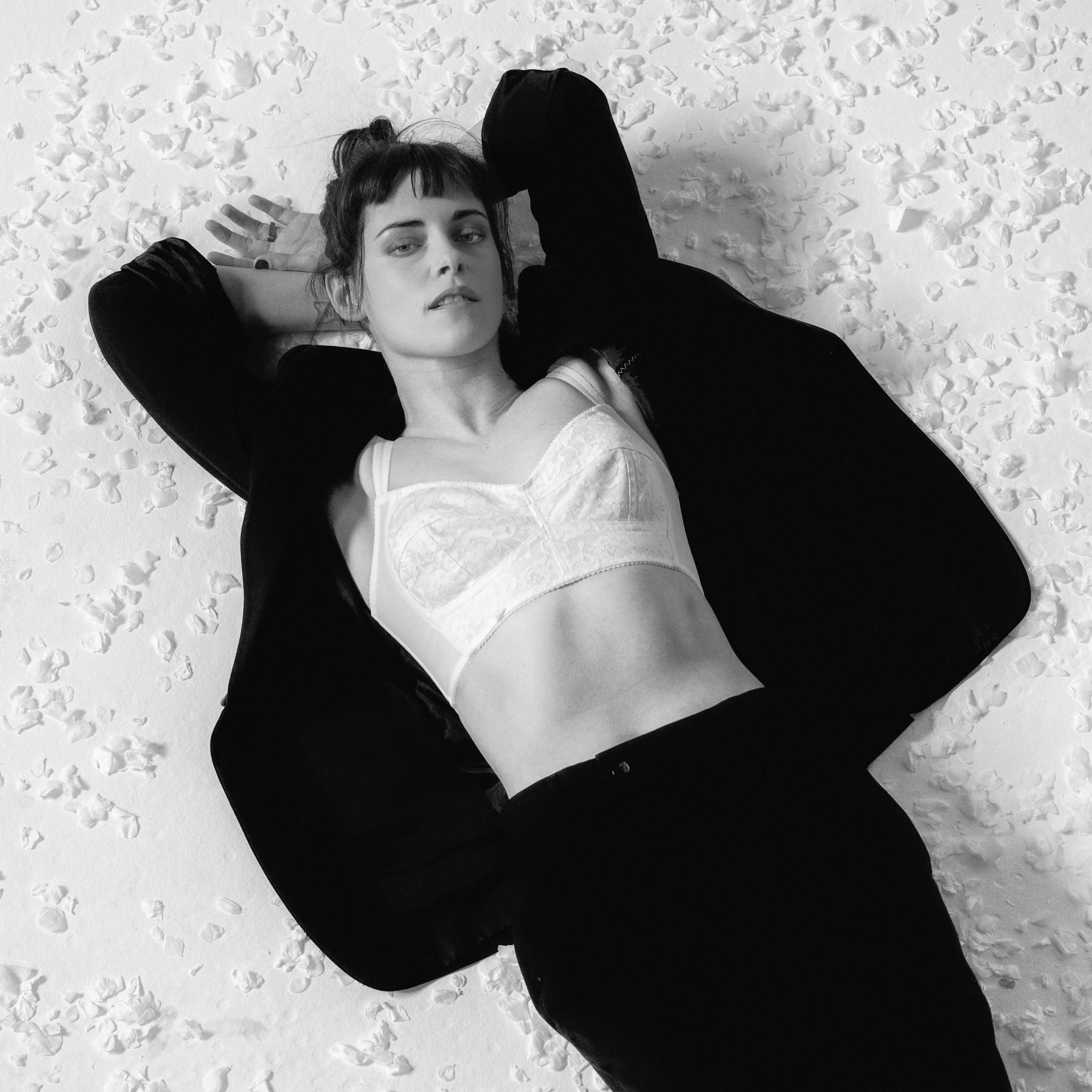
Overview of The Interview (New York Times)
This episode of The Interview features David Marchese’s wide-ranging conversation with Kristen Stewart about directing her first feature, The Chronology of Water — an adaptation of Lydia Yuknavitch’s memoir — and how she’s rethinking representations of women, sexuality, authorship and filmmaking. Stewart reflects on why she made the film, the long, difficult road to getting it financed, her relationship to fame and tabloid narratives, the problems of the Hollywood “committee” system, and her desire to show non‑performative, more interior portraits of female sex and desire.
Key takeaways
- The Chronology of Water: Stewart was drawn less to the literal traumas in Lydia Yuknavitch’s memoir (addiction, abuse, infant loss) and more to the mode of diaristic female self‑narration — “the fact of the telling” — and how that allows women to claim a self.
- It took nearly a decade to make because the film resists conventional, marketable formulas; Stewart says she likely could only make it because of her platform.
- Stewart rejects heavy self‑censorship and says public mistakes/humiliation helped her grow; she accepts that the tabloid “Kristen Stewart” persona is not fully controllable.
- She’s critical of studio/committee filmmaking: test screenings, committees of older men dictating queer character details, and processes that gray out specificity and vulnerability.
- Stewart wants a “system break” so more diverse, lower‑budget, singular visions can be made — she expresses interest in making films “for nothing” that still reach and transform audiences.
- On sex in film: she’s tired of titillating, exterior sex scenes and wants to depict longer, more undulating, non‑performative sexual experiences — sex that feels inhabited rather than staged.
- Influences and references: Stewart recommends experimental filmmaker Barbara Hammer’s Multiple Orgasm (close‑up masturbation intercut with nature imagery) as an example of frank, non‑titillating female erotic cinema.
- Practical habits: Stewart prefers early‑morning work, has moved away from using substances as a creative crutch, and finds domestic routines (cooking, family time) grounding.
Topics discussed
- The Chronology of Water (adaptation choices, themes of selfhood and diaristic voice)
- Financing and distribution challenges for unconventional films
- Fame, tabloid narratives, and relinquishing control over public image
- Gendered expectations in acting and the mythologizing of “method” (men valorized as difficult/legendary; women labeled “crazy”)
- Studio filmmaking vs. singular auteurship; test screenings and committee decisions
- Desire for a new filmmaking system that’s less exclusionary and more accessible
- Representations of sex and female desire in cinema; critique of performative sex scenes
- Barbara Hammer’s experimental cinema as a model for honest depictions of female sexuality
- Personal reflections on creative risk, vulnerability, and growth
Notable quotes and insights
- “It was the way that she told it. It was the fact of the telling.”
- “I wanted to make something tired, pathetic, and messy that felt exuberant and achieved and… encouraging.”
- “I was lucky to be allowed to make this movie at all.” (on getting the film financed)
- “I don't self‑censor. I don't fixate on kind of how things are going to land on other people.”
- “I never want to… stand in a room and watch two people fucking.” (on what she wants to avoid in cinematic sex scenes)
- On studio processes: test screenings and committee-driven decisions “watch something with kind of detail and color become really gray.”
Recommendations & next steps
- Watch: The Chronology of Water (select theaters now; nationwide release January 9). Stewart emphasizes watching the film to understand what she’s trying to say as a director.
- Watch: Barbara Hammer’s Multiple Orgasm for a reference point on non‑titillating, experimental depictions of female eroticism.
- For film lovers/creatives: consider supporting small, singular‑vision films (festivals, indie theaters, crowdfunding) and questioning the dominance of committee‑driven, formulaic development processes.
- For readers curious about themes discussed: read Lydia Yuknavitch’s memoir The Chronology of Water to compare the source text and Stewart’s cinematic choices.
Production & context
- Host: David Marchese (The New York Times). This interview is part of The Interview podcast.
- Credits: Produced by Wyatt Orm; edited by Annabelle Bacon; mix by Afim Shapiro; original music by Dan Powell, Leah Shaw‑Damron, and Marian Lozano.
- Note on names: the film adapts Lydia Yuknavitch’s memoir (transcript spellings varied).
If you want the short version: Kristen Stewart made a risky, diaristic film about female selfhood and sexual interiority after a decade of struggle to finance it; she criticizes Hollywood’s committee system and wants cinema to make more room for non‑performative, honest portrayals of women and desire.