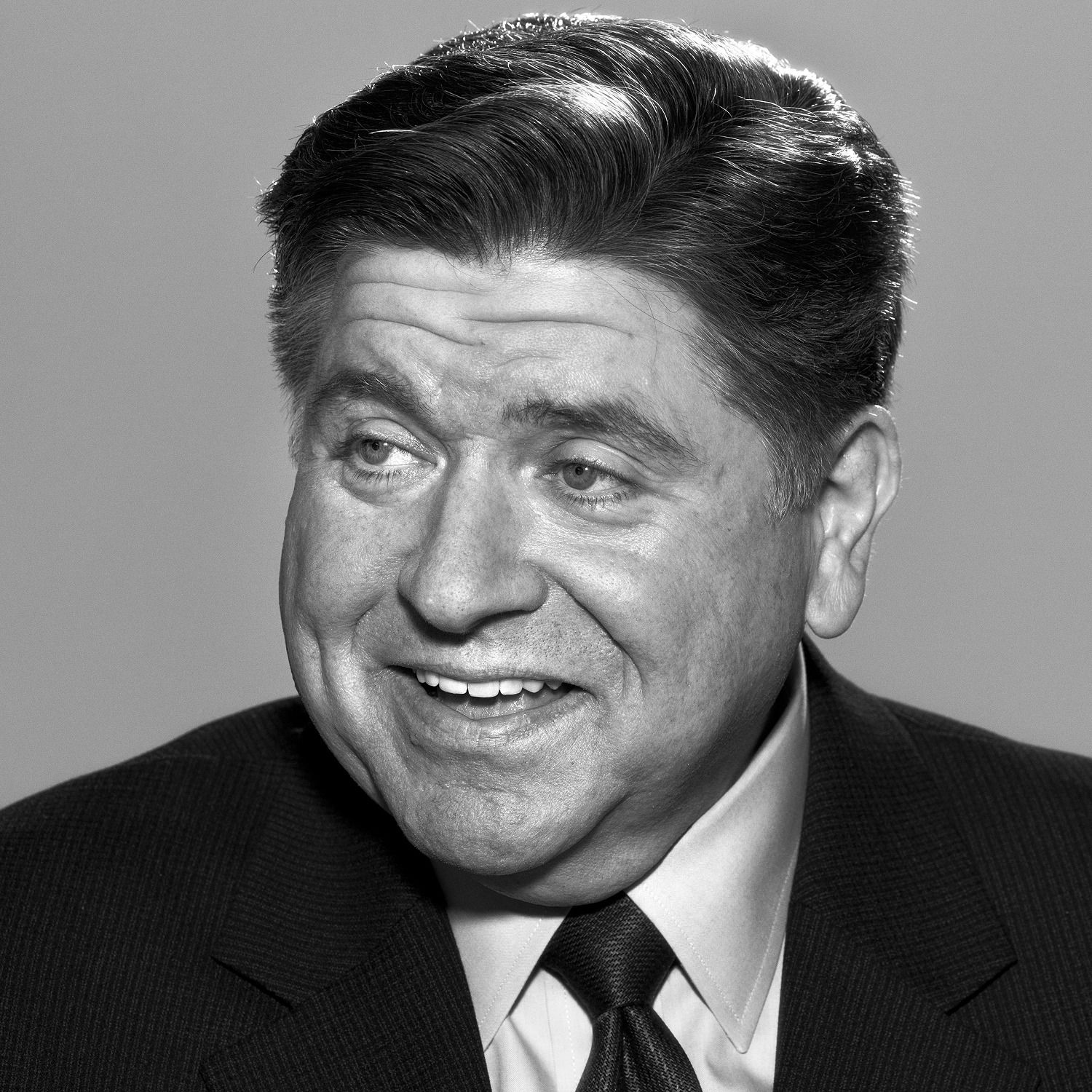
Overview of 'The Interview': How Tragedy, Wealth and Trump Shaped JB Pritzker
This New York Times Interview (host Lulu Garcia‑Navarro) is a long-form conversation with Illinois Governor J.B. Pritzker covering his personal history, political outlook, policy priorities, and how his wealth and opposition to Donald Trump shape his public role. Key themes include executive power and accountability, Democrats’ need for a bolder agenda, tax fairness versus anti‑billionaire politics, social-media regulation, AI and the labor market, and the U.S. relationship with Israel and the ongoing conflict with Iran.
Key topics discussed
- Executive power and lessons from Donald Trump: authoritarian tendencies, corruption, and the need to restore rule of law.
- Democratic strategy: urgency for a “Project 2029” — a bold, fast agenda (universal health care, higher minimum wage, etc.) rather than incrementalism.
- Wealth and politics: Pritzker’s family history, discomfort with assumptions about billionaires, and calls for nuance in taxing the wealthy.
- State policy innovations: graduated income tax advocacy, earned‑income and child tax credits expansion, $15 minimum wage in Illinois, social‑media fee proposal.
- Foreign policy: criticism of Trump’s handling of the Iran conflict, stance on Israel (support for Israel’s right to exist, criticism of Netanyahu’s leadership), and desire for U.S. peacemaking and clearer objectives.
- Technology and labor: concerns about AI‑driven job loss, need for vocational training and a national plan to create resilient jobs.
- Personal background: early loss of both parents, mother’s activism and alcoholism, immigrant family roots, and how tragedy shaped his values.
Main takeaways
- Pritzker frames Trump as having governed like an authoritarian, enriching himself and weakening institutions; he argues Democrats must both oppose that model and deliver bold policy quickly.
- He believes Democrats shouldn’t be timid: voters reward leaders who run on and rapidly execute transformative agendas.
- On wealth: Pritzker insists on separating personal wealth from values and performance — wealthy politicians can still fight for working-class policies — but he supports taxing higher incomes more fairly (graduated income tax) and rejects the practicalities of a California‑style wealth tax on illiquid private assets.
- He proposes a small, per‑user social‑media fee on large platforms to fund education and mitigate social harms caused by algorithms.
- On foreign policy, he’s critical of both Trump (for starting conflicts without clear goals) and Netanyahu (for humanitarian conduct in Gaza), calling for the U.S. to act as a peacemaker.
- He’s skeptical about current national readiness for AI’s labor disruption and is actively expanding vocational training in Illinois.
Notable quotes & sharp lines
- On Trump’s style of governance: “He operate[s] like the president of a banana republic … vanquish his enemies and rule in favor of the people who will enrich him.”
- On how Democrats should govern: “When you run and win on an agenda, you can accomplish that agenda and need to do it as soon as possible.”
- On wealth and values: “It’s where your heart is, it’s what your values are that matters, not how much you have or how little you have.”
- On social media companies: “Their algorithms are truly causing mental health challenges, education challenges, disinformation … I think they should have to help pay for that.”
Policy positions and proposals (summary)
- Restore rule of law: prosecute wrongdoing from the current administration (criminally or civilly where appropriate).
- Health care: move toward universal coverage; build beyond Obamacare to cover the uninsured.
- Wages: raise the minimum wage (points to impracticality of surviving on current federal minimum).
- Taxation: support graduated income tax (higher rates on high incomes); skeptical of an assets‑based wealth tax due to valuation difficulties.
- Social‑media fee: per‑user fee on the largest platforms to fund education and address platform harms (~$200M cited in Illinois budget).
- AI/labor: expand vocational training, plan for job transitions; push for ethical guidelines for AI.
- State fiscal policy: cut taxes for lower/middle incomes via earned‑income and child tax credits; address school funding disparities to reduce reliance on local property taxes.
Personal background and political formation
- Family: Great‑grandfather fled pogroms in Ukraine; family built a motel/hotel business that became Hyatt — Pritzker emphasizes entrepreneurial roots and hard work.
- Tragedy: father died when Pritzker was seven; mother struggled with alcoholism and later died; orphaned at 17. He credits those experiences with fostering compassion and public‑service orientation.
- Activism: mother was an LGBTQ and abortion‑rights activist who helped shape his Democratic values.
- Wealth transparency: assets are in a blind trust; he files public statements of economic interest and argues for transparency while criticizing Trump’s use of office for personal enrichment.
Political style & positioning
- Explicitly combative toward Trump — argues working with Trump is unrealistic given his history of broken promises and corruption.
- Advocates for Democrats to be bolder and less incremental; believes populist/affordability messaging wins (cites recent Democratic primaries and House pickups).
- On being a billionaire candidate: he acknowledges public discomfort but counters with his record (minimum‑wage increase, tax credits, policies for working families) as proof of priorities.
Foreign policy views and criticisms
- Iran conflict: thinks Trump began conflict without clear objectives; fears a “forever war” and questions the benefits and goals.
- Israel: supports Israel’s right to exist, but criticizes Netanyahu’s leadership and humanitarian failures in Gaza; argues U.S. should act as peacemaker and not uncritically back all Israeli actions.
- Global order: worries U.S. credibility with allies has been damaged and that re‑establishing trust could take decades.
Implications for Democrats and voters
- Strategy: Democrats should craft and act on a bold, coherent agenda (affordability, health care, wages) to counter the appeal of fast, sweeping moves by authoritarians.
- Messaging: Distinguish personal wealth from policy positions — emphasize record over labels; clarify how taxes will fund popular public goods.
- Governance: Rebuild institutions and international alliances; define limits of executive power and counter judicial decisions that overly expand presidential immunity.
- Technology/labor policy: National planning needed for AI disruption — vocational training, job creation, and ethics/regulation for AI companies.
What listeners should remember
- Pritzker combines personal narrative (loss, activism) with a policy portfolio geared to affordability and state‑level innovation.
- He is simultaneously a critic of concentrated wealth when tied to corruption (Trump) and a defender of nuanced approaches to taxing and regulating the wealthy and big tech.
- For now he is focused on re‑election as Illinois governor; he acknowledges being discussed as a potential 2028 presidential contender but isn’t actively weighing a run.
Produced by The New York Times’ The Interview; host Lulu Garcia‑Navarro.