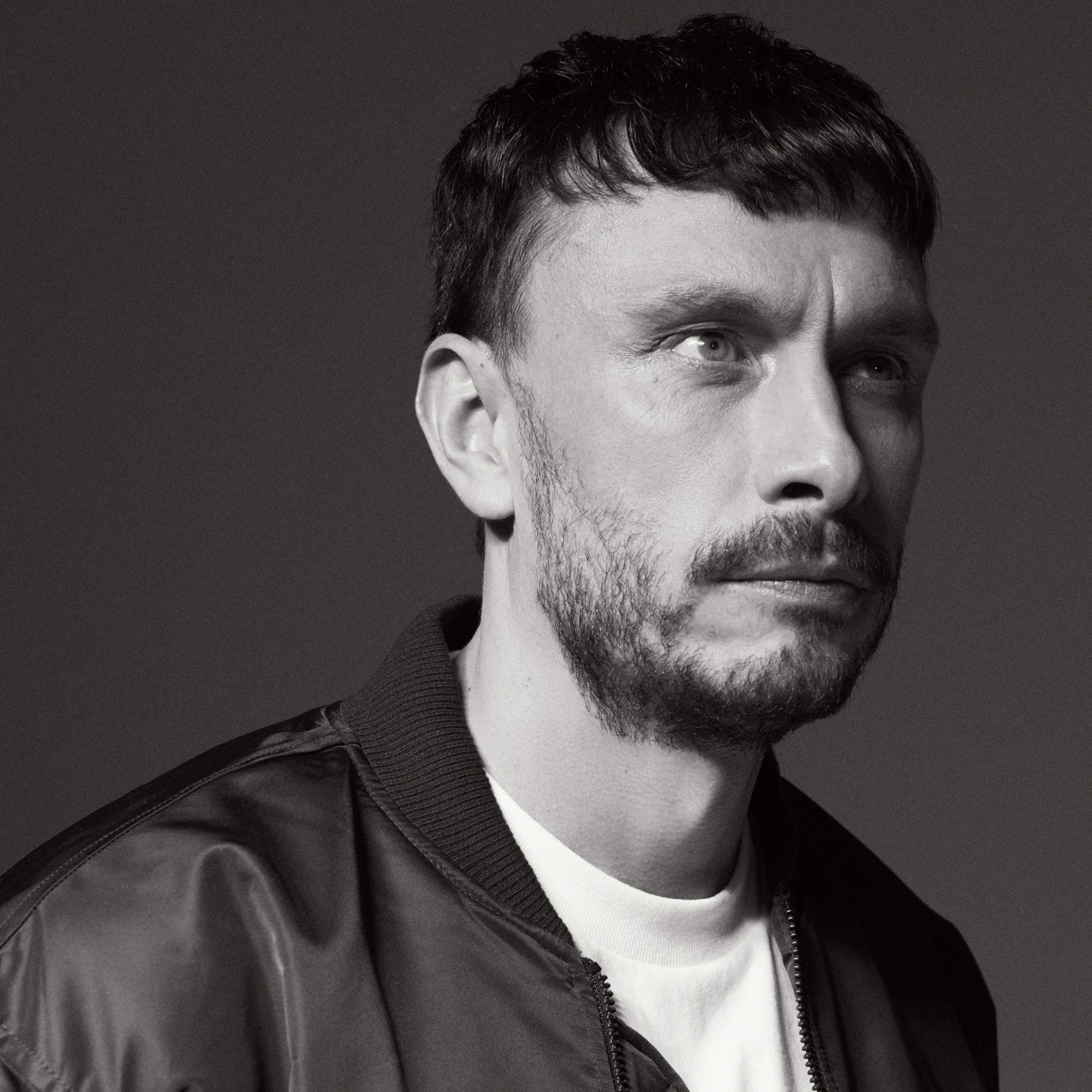
Overview of The Interview
This New York Times interview (The Interview) is a long-form conversation between host David Marchese and writer‑actor Richard Gadd about the aftermath of his Netflix hit Baby Reindeer and his new HBO series Half Man. The discussion covers how transforming his own trauma into art changed his life—bringing both intense public scrutiny and a feeling of liberation—while exploring recurring themes in his work: trauma, masculinity, sexual confusion, vulnerability, and the messy reality of male relationships.
Key topics discussed
- Richard Gadd’s sudden mainstream success after Baby Reindeer and how fame affected him personally and professionally.
- Half Man (HBO, April): a fictional, darker exploration of a decades‑long, codependent friendship between two Scottish men (Niall — Jamie Bell; Ruben — Richard Gadd).
- How Gadd uses writing and performance to process trauma and ask difficult questions rather than deliver tidy answers.
- Masculinity, toxic male behavior, male camaraderie, and how repression shapes violent or damaging adult behavior.
- The emotional effects of public recognition for a story grounded in Gadd’s own sexual assault and stalking.
- Gadd’s sexual identity and how abuse complicated his relationship to sex and attraction.
- Physical and psychological preparation for inhabiting Ruben (weight training, nutrition, body dysmorphia).
- Self‑work and the value Gadd finds in solitude and honesty.
Main takeaways
- Art as therapy/playground: Gadd emphasizes that writing allowed him to externalize and examine feelings that had become intolerable when kept inside. He sees art as a method for exploring questions rather than offering definitive answers.
- Fame brings opportunities but not emotional fixes: success opened creative and professional doors but did not resolve internal struggles; it often amplified discomfort because more people scrutinize you.
- Trauma reshapes self-perception: Gadd describes a before/after shift after being abused—toward increased introversion, confusion, and a “hole in the soul.” He believes many people carry wounds that influence their behavior.
- Complexity over neat narratives: He resists the reductive “trauma plot” that neatly explains characters’ arc; his characters (and people) are inconsistent and contradictory.
- Vulnerability is liberating: Making and sharing Baby Reindeer made him feel exposed but also freed—he says having “nothing left to hide” was healing and allowed him to help others who reached out.
- Sexuality can be complicated after abuse: Gadd recounts that same‑sex attraction and sexual confusion emerged for him after the assault; he stresses nuance and rejects simplistic causal claims while sharing his own truth.
Notable quotes
- “The best thing about success is that it leads to opportunity for me… Fame on the other hand is an interesting thing that I think I still come to terms with.”
- “Keeping something in our head… it grows to intolerable levels.”
- “Labels never brought me any sort of comfort. Comfort comes from within.”
- “I put it all out there… I’ve got kind of nothing to hide anymore and that can feel quite freeing.”
- On healing: “I love myself a lot more than I did 10 years ago, but I still have a long way to go.”
Themes in Half Man and Baby Reindeer
- Masculinity: Both works interrogate what being a man looks like, how social repression shapes “broken” masculinity, and how power dynamics play out in male relationships.
- Trauma and its legacy: Repetition of internalized shame, self‑destructive thought patterns, and disconnection from self.
- Ambiguity and contradiction: Characters (and people) contain mixed impulses; the shows favor unresolved questions over neat resolutions.
- Male intimacy and dominance: The shows examine how camaraderie can become corrosive when mixed with insecurity and violence.
Personal impact and coping strategies Gadd describes
- Writing first—then speaking: He wrote down his experiences before publicly disclosing them; this was his primary coping mechanism.
- Public vulnerability: Though exposing trauma led to discomfort in public, he values the letters and responses from viewers and feels it helped others.
- Solitude as growth: Extended periods alone taught him to tolerate and sit with himself—an important step toward better self‑relationship.
- Body work and embodiment: To play Ruben he deliberately transformed his body with intensive training and strict diet rituals; he acknowledges struggles with body dysmorphia.
- Caution about chasing fame: He warns that fame won’t heal inner wounds and cautions against seeking validation as a substitute for self‑acceptance.
Practical recommendations / action items (for listeners, creators, or survivors)
- If you’re carrying something heavy inside, consider writing it down—art can be a safe way to examine traumatic material before sharing.
- Recognize the limits of external validation: success or public praise won’t necessarily resolve internal conflicts—work inwardly as well.
- Spend intentional time alone to learn how to be with yourself; Gadd recommends extended solitude as a tool for self‑understanding.
- If impacted by the topics discussed (assault, stalking, trauma), seek appropriate professional support—writing and art can help, but clinical help and community can be crucial too.
- For creators depicting trauma: aim for nuance rather than easy answers; honoring contradiction often leads to more truthful storytelling.
Episode details & credits
- Guest: Richard Gadd (writer, actor; creator/star of Baby Reindeer; creator/star of Half Man)
- Host: David Marchese
- Programs referenced: Baby Reindeer (Netflix), Half Man (HBO, airing in April)
- Production credits (selected): Produced by Seth Kelly; edited by Annabelle Bacon; mixing by Sophia Landman; music by Dan Powell, Rowan Nemisto, Marian Lozano.
- Where to watch/listen: The Interview (New York Times) — video episodes available on the NYT YouTube channel.
If you want an ultra‑concise takeaway: Gadd used art to transform unbearable private trauma into public stories that neither fix him nor explain everything—but did free him in unexpected ways and opened space for others to feel seen.