Overview of The Daily — "Is There an A.I. Bubble? And What if It Pops?"
This episode (host Natalie Kittroweff, guest Cade Metz) examines the current investment frenzy around artificial intelligence, why big tech keeps pouring money into AI despite rising talk of a bubble, what risks that bet creates (especially debt and systemic exposure), and how this moment compares to past tech and financial bubbles like the dot‑com boom and the 2008 housing crisis.
Key points and main takeaways
- AI is already changing work and services (chatbots, transcription, healthcare, drug discovery), and many tech leaders expect much larger, economy‑wide transformations ahead.
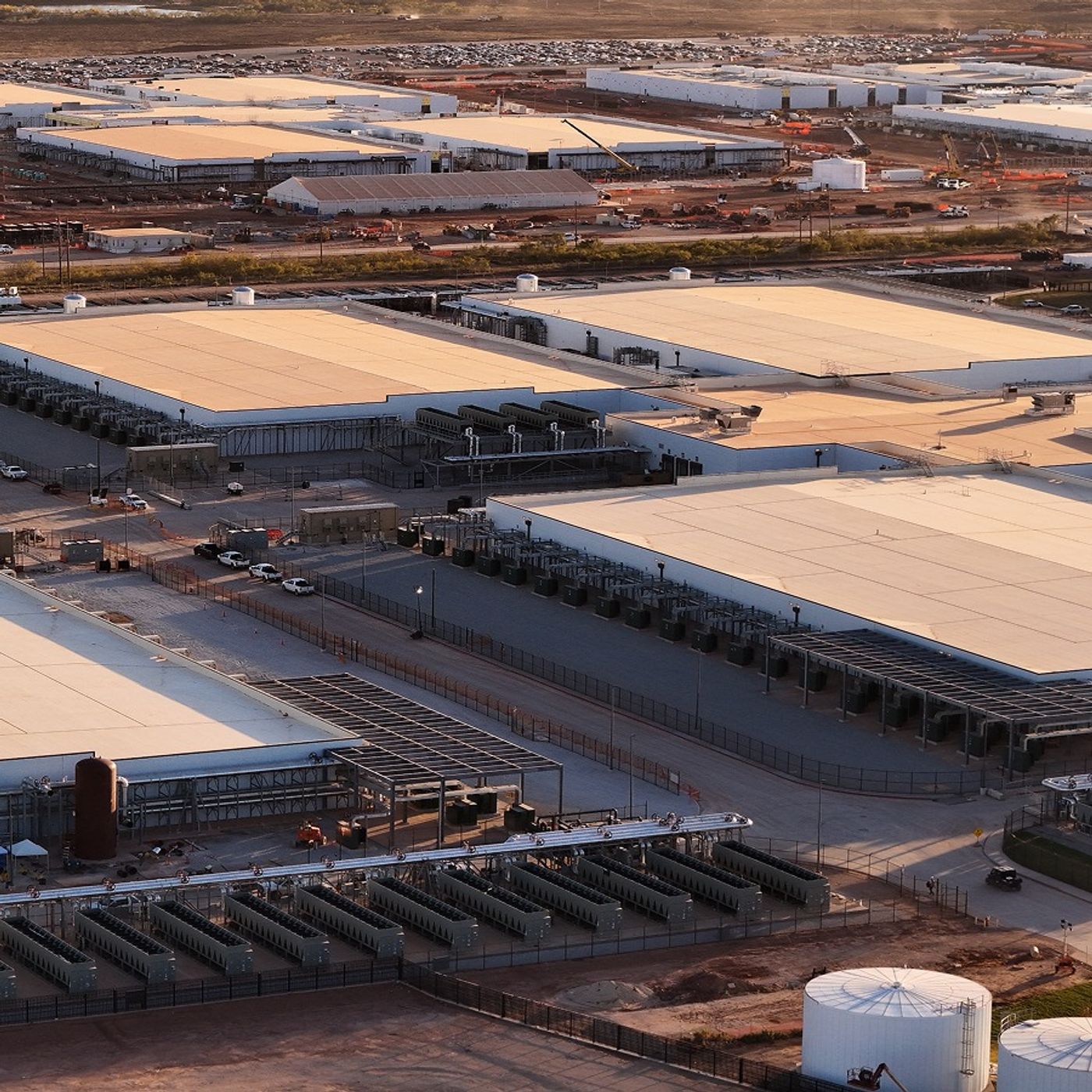
- Much of Silicon Valley is making long, expensive infrastructure bets now (data centers, chips, models) because building capacity takes years — driven by FOMO (fear of missing out) and the belief that being first yields massive advantage.
- The scale of spending is enormous: OpenAI reportedly plans huge investments (figures cited in episode), and global data‑center spending estimates approach trillions of dollars.
- A meaningful portion of this investment is financed with debt. Morgan Stanley projections cited in the episode estimate roughly $3 trillion of global spending on AI infrastructure, with about one‑third (~$1 trillion) potentially debt‑financed.
- There are two historical analogies at play:
- Dot‑com bubble: many startups failed, but infrastructure investments (fiber, cloud) enabled long‑term winners that now form the backbone of the internet economy.
- Housing bubble (2008): systemic risk emerged where debt was opaque and widely distributed via asset‑backed securities — a worse scenario if it repeated here.
- The real danger is not simply a valuation correction but the opaque and leveraged ways debt is being held (private credit, asset‑backed securities), which could spread losses widely if revenues don’t materialize.
- Some tech leaders (including Sam Altman) publicly acknowledge overexcitement and that there will be losers even if some firms prevail.
Why big tech keeps spending
- They’re aiming for transformative outcomes (some pursue AGI — artificial general intelligence — i.e., machines that can perform all economically valuable human tasks).
- Infrastructure (data centers, GPUs, AI models) is expensive and slow to scale; delaying investment risks being left behind.
- Early wins and powerful use cases (NVIDIA’s record profits reported in the episode) reinforce the investment thesis and calm markets short term.
- Competitive signaling: public declarations by leaders (Zuckerberg, Jensen Huang, Sam Altman, Sundar Pichai) create collective momentum.
Risks and the debt problem
- Scale and opacity: much funding comes from private credit firms and via asset‑backed securities, making it hard to know who holds the risk.
- Leverage and concentration: some smaller, specialized cloud/compute providers (CoreWeave, Lambda, and others mentioned) are taking on large debt loads relative to expected future revenue.
- Systemic exposure: if demand or revenue falls short, defaults could trigger knock‑on effects beyond the tech sector — the episode flags this as the main worry, not necessarily a full housing‑crisis repeat but a meaningful risk if leverage is widespread.
- Timing uncertainty: the path to the most ambitious goals (AGI) is highly uncertain; long timelines could mean stranded capacity and unpaid debt.
Comparisons to past bubbles
- Dot‑com (late 1990s/2000s): many consumer startups failed, but infrastructure investments (fiber, data centers, cloud) eventually enabled durable winners (Amazon, Google, streaming, e‑commerce). Lesson: short‑term carnage can still leave long‑term value.
- Housing (2008): failure mode was debt opacity and securitization — losses propagated through complex financial instruments. This is the scenario people fear could amplify an AI downturn.
Notable quotes and perspectives
- Definition of AGI (from episode): a machine that can do “all of the economically valuable work” humans do — a shorthand for replacing human labor across many domains.
- Sam Altman (OpenAI): acknowledged investor overexcitement and said there will be losers; publicly challenges skeptics.
- Mark Zuckerberg (Meta): predicted much code may soon be written by AI.
- Jensen Huang (NVIDIA): suggested AI will act like a “tutor” and accelerate human capabilities.
- Episode data points: NVIDIA reported a quarterly profit of $31.9 billion, up 65% year over year (used as an example of current AI‑driven profitability).
Potential outcomes
- Soft landing: a correction where weaker companies fail but infrastructure and winners emerge (dot‑com‑style positive net outcome over time).
- Hard landing/systemic stress: leverage and opaque debt holdings trigger broader financial strain (housing‑style risk), especially if revenues fail to cover debt service.
- Slower AGI progress: a prolonged timeline could spare labor from rapid displacement and buy time for regulation and adaptation, while still leaving stranded investments.
What to watch next (indicators for investors, policymakers, and the public)
- Corporate earnings and guidance from AI‑sensitive firms (NVIDIA, cloud providers, major AI players).
- Data‑center utilization rates and new build announcements vs. cancellations.
- Disclosure and transparency in private credit and asset‑backed securities tied to AI infrastructure.
- Bank and private‑credit exposure reports; signs of distress at specialized compute providers.
- Layoffs, bankruptcies, or consolidations among AI infrastructure firms.
- Policy and regulatory moves aimed at AI safety, financial disclosure, or limiting risky leverage.
Takeaway for listeners
- The AI boom is consequential and likely to produce significant long‑term change, but it is also marked by speculative behavior, heavy leverage, and opacity that raise real risks.
- The best‑case scenario parallels the dot‑com era: painful short‑term failures but durable infrastructure and winners. The worst case involves leveraged failures spreading through financial markets.
- For individuals, businesses, and policymakers, the prudent approach is to monitor exposure, demand signals, and transparency in AI financing — while preparing for both rapid AI progress and slower, messier transitions.