Overview of Inside the Government’s Crackdown on TV
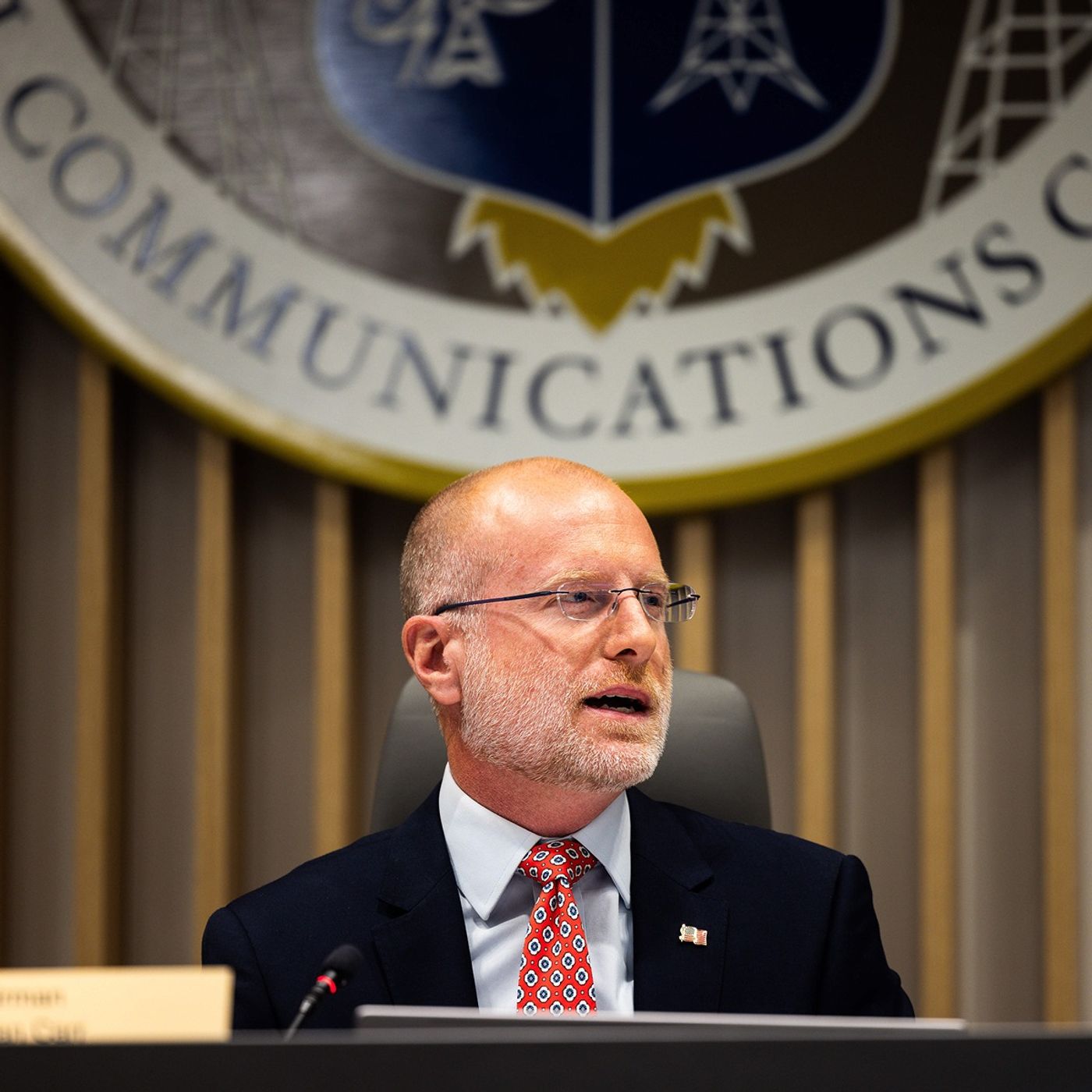
This episode of The Daily (New York Times) investigates a recent, intensifying effort by parts of the federal government—led publicly by FCC Chair Brendan Carr and energized by conservative lawyer Daniel Sir—to pressure and potentially regulate broadcast television content, with particular focus on late‑night shows. Jim Rutenberg explains the historical equal‑time rule and bona fide news exemption, how those rules have been interpreted (and ignored) over decades, and how renewed enforcement threats are already producing chilling effects across networks.
Key takeaways
- The FCC under Chair Brendan Carr has signaled a renewed, aggressive interest in enforcing the century‑old equal‑time/public‑interest rules against broadcast outlets, including late‑night entertainment shows.
- The equal‑time rule requires broadcasters to offer comparable access to candidates; a longstanding bona fide news exemption has historically shielded news and many interviews from that burden.
- Conservative lawyer Daniel Sir revived and pressed complaints (notably after the 2024 ABC debate) that persuaded Carr to revisit the rule’s application; networks are now responding defensively to avoid enforcement.
- The legal power to revoke station licenses is real but procedurally onerous and, according to many lawyers, unlikely to succeed easily in court—yet the mere threat is having a strong deterrent effect.
- Consequences so far include preemptive network decisions (Stephen Colbert’s pulled interview) and temporary suspensions (Jimmy Kimmel), plus public threats about punishing coverage of the war in Iran.
- Broader application could stretch beyond broadcast TV to talk radio and, if taken literally, possibly even cable—raising substantial First Amendment and political‑retaliation concerns.
Background: equal time rule and the “bona fide news” carve‑out
- Origin: Rules date to early radio regulation (1920s) when the government granted exclusive use of public airwaves and required stations to serve the public interest.
- Equal‑time rule: If a candidate receives broadcast time (outside bona fide news), broadcasters must provide equivalent time to other candidates (comparable audience/reach, timing, and free of charge).
- Bona fide news exemption: Over decades, practical and legal concerns (e.g., debates, news judgment) produced carve‑outs for news, documentaries, and bona fide interviews. Late night gradually occupied a murkier space between news and entertainment.
How the current campaign unfolded (timeline)
- 2003–2006: FCC ruling allowing Jay Leno’s interviews with Arnold Schwarzenegger to count as bona fide news created a broader industry presumption of latitude for late‑night shows.
- 2010s–2020s: Late‑night shows became more overtly political and left‑leaning; their clips spread widely online, amplifying reach.
- Fall 2024: Daniel Sir filed complaints (e.g., against ABC in Philadelphia) alleging news distortion and unequal coverage; these appealed to conservatives frustrated with media bias.
- Early 2025: Brendan Carr, as FCC chair, reinstated/revived these complaints, publicly warned broadcasters, and announced he would apply equal‑time rules more aggressively to late night.
- Recent incidents: CBS/Stephen Colbert removed a planned interview with Texas candidate James Tallarico (a preemptive network move tied to the FCC’s warning); Carr threatened action over Iran‑war coverage in a tweet, provoking alarm and pushback.
Key actors and their motives
- Brendan Carr (FCC Chair): Argues he is enforcing existing law and public‑interest obligations; backed by conservatives who want less perceived liberal bias on broadcast TV and more “red‑state” content.
- Daniel Sir (conservative lawyer): Researched public‑interest rules, filed complaints alleging partisan distortion; his work helped put late night on the FCC’s radar.
- Networks and showrunners (CBS, ABC, NBC; Colbert, Kimmel, etc.): Facing risk of regulatory scrutiny, lawsuits, or reputational harm; some have made preemptive editorial decisions to avoid conflict.
- Critics and civil‑liberties observers: Warn of chilling effects, selective enforcement, and the danger of a regulatory precedent that could be weaponized when power shifts.
Legal and practical limits
- Revoking licenses: Legally possible but extremely difficult and litigiously complex; many experts call such threats dubious on legal grounds.
- Enforcement power vs. deterrence: Even if enforcement would fail in court, regulatory threats and investigations create powerful incentives for networks to self‑censor or alter booking practices.
- Scope ambiguity: If applied strictly, the rule could touch talk radio and, in some interpretations, cable—raising massive practical and constitutional issues.
Potential consequences and what to watch next
- Short term: More conservative complaints and FCC investigations into shows (e.g., The View) and additional public threats; continued network caution around politically active guests.
- Mid term: Possible lawsuits challenging FCC actions; industry recalibration about booking politicians on non‑news programs; increased self‑censorship in wartime coverage or close elections.
- Long term: If a regulatory precedent sticks, it could reshape broadcast programming incentives, influence the political content landscape, and invite reciprocal enforcement when party control of the FCC changes.
Notable quotes from the episode
- On networks’ reaction to FCC pressure: “This was the first time that I had seen a moment where a content decision was made at a major network involving politics in direct reaction to a newly declared policy on the federal government level.”
- On the FCC’s posture: “We can do this the easy way or the hard way.”
- On legal risk vs. chilling effect: “The threat itself is very powerful… Even if the network should win in court, do you want to be in court for months or longer with the federal government? Nobody wants it.”
What listeners should watch or do
- Follow developments: FCC announcements, complaints filed by Daniel Sir or others, network policy changes, and any related court challenges.
- Pay attention to coverage patterns: Note whether late‑night and daytime broadcast shows change guest selection or editorial lines around elections and international crises.
- Consider the source: Understand the legal distinctions between bona fide news and entertainment when assessing media fairness claims.
This episode frames the current moment as a rare, significant federal intervention in broadcast content policy—one that relies less on immediate lawful victories than on its ability to reshape media behavior through pressure and the threat of enforcement.