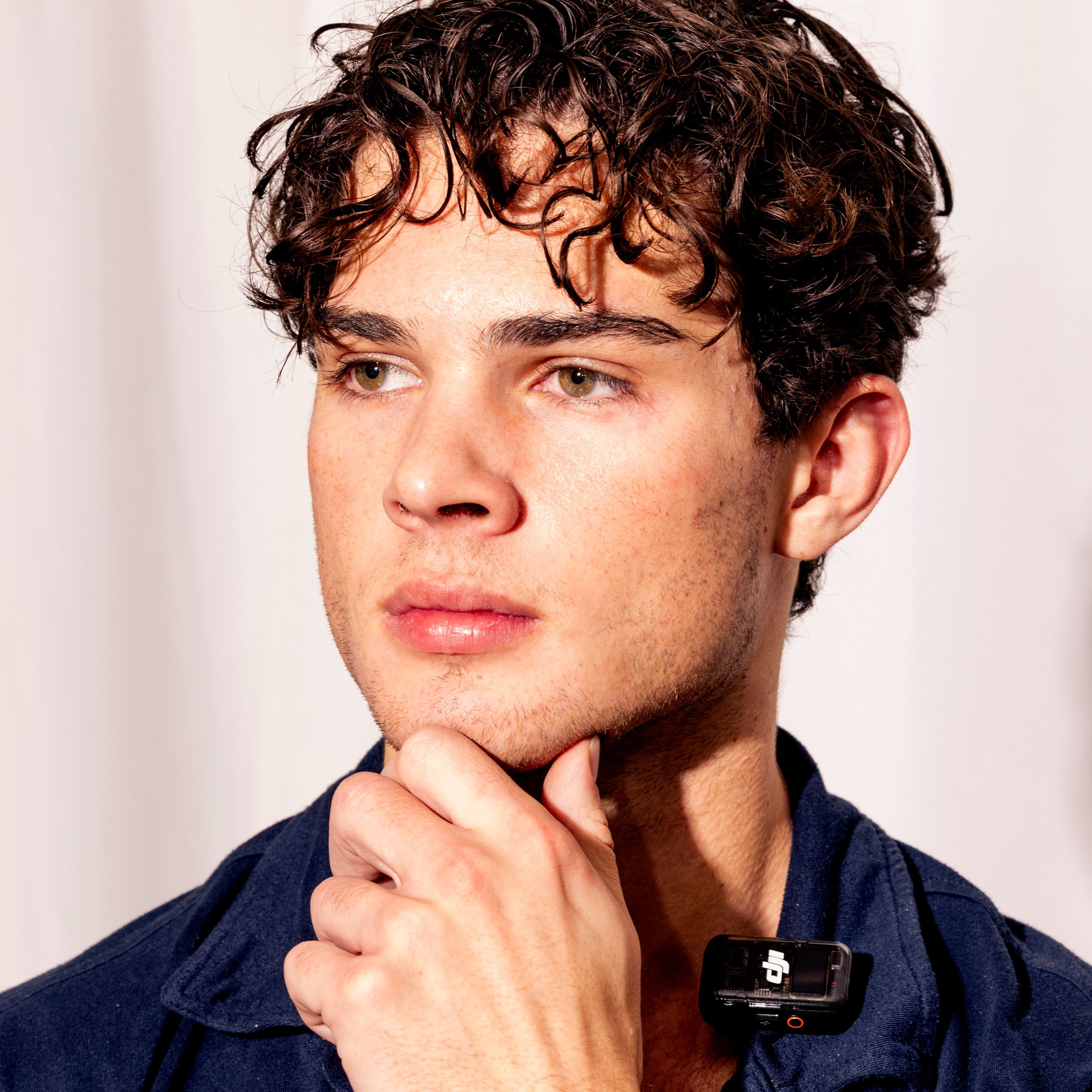
Overview of Injections, Bone Hammering and the Pursuit of Peak Male Beauty
This Sunday Daily episode (The New York Times) examines the online movement called “looks‑maxing”: a mostly male, internet-born subculture devoted to improving physical attractiveness by any means necessary. Reporter Joe Bernstein traces the trend from incel subcultures to mainstream attention via one prominent streamer, “Clavicular” (Brayden Peters). The episode describes the community’s language, extreme practices (from experimental drugs to tapping facial bones with hammers), the health and social risks, and what the phenomenon reveals about contemporary image-driven culture and the attention economy.
Key takeaways
- Looks‑maxing is an internet subculture that obsessively quantifies facial/ bodily features and pursues cosmetic enhancement — sometimes dangerously — to gain status.
- It grew from incel-related spaces but is less fatalistic: members believe extreme interventions can “ascend” them socially.
- A central amplifier of the trend is the influencer “Clavicular,” whose livestreams and viral clips helped push looks‑maxing into mainstream platforms.
- Practices include conventional grooming, cosmetic procedures, experimental/unregulated drugs, hormone use, and even self‑harmful stunts (e.g., “bone tapping”).
- The movement dovetails with larger cultural forces: image‑based social media, commodified beauty medicine, and attention incentives that reward shock and provocation.
- There are significant health, ethical and social harms: medical risks from unregulated compounds and hormones, potential infertility, addiction, spread of extremist and racist rhetoric, and harms to young people’s mental health and body image.
Who are looks‑maxers and what do they believe?
- Origin: Evolved from incel communities (involuntary celibates) but oriented toward active modification rather than resignation.
- Core belief: Physical attractiveness determines status and life outcomes; improving looks is the primary route to social ascension.
- Social dynamics: Emphasis on peer comparison and ranking among men (status, “mogging” other men).
- Aesthetic ideal: Largely centered on a specific white, Eurocentric facial ideal (e.g., frequent reference to actor Matt Bomer), with documented racist harassment of nonwhite participants.
The “Clavicular” case — how the movement went mainstream
- Clavicular (born Brayden Peters, ~20) became a central figure by publicly experimenting, documenting results, and live‑streaming extreme practices.
- Notable incidents: streaming steroid use, injecting fat‑dissolving substances into a teen girlfriend on camera, public ties to far‑right or controversial figures, and explicit racist language — all of which generated viral clips that spread to TikTok/Instagram.
- Platform dynamics: Raw streams on smaller sites (e.g., Kik) are clipped and redistributed to larger platforms, multiplying reach and normalizing practices.
- Public persona: Presents an obsessive, quantifying approach to body metrics and drug regimens; frames interventions as a rational “optimization” rather than emotional or social coping.
Typical methods, jargon and measurement culture
- Jargon highlighted in the episode:
- Looks‑maxing: maximizing physical attractiveness.
- Ascend: reaching a higher social status through appearance.
- Mogging: demonstrably outcompeting another man by looks/status.
- Jester: doing politicized or performative acts for attention.
- Cope: rationalization or denial.
- Common interventions discussed:
- Lifestyle: grooming, diet, exercise, sleep.
- Pharmaceuticals & peptides: testosterone / TRT, SARMs and experimental GLP‑1 / “retitrutide”‑type drugs, Accutane, beta blockers, melanotan, HGH, NAD+, glutathione (often sourced via informal channels).
- Hair drugs: minoxidil, dutasteride (sometimes taken raw).
- Cosmetic injections/surgeries and “fat dissolver” peptides.
- Extremes: bone “tapping”/hammering (claiming to stimulate bone growth), stimulant abuse (Adderall, meth) for appetite suppression.
- Measurement obsession: tracking precise facial ratios (mid‑face ratio, biachromial width, pupil distances) and many body metrics.
Health, ethical and social risks
- Medical risks:
- Hormone and steroid use: infertility, cardiovascular strain, endocrine disruption.
- Unregulated/experimental drugs and peptides: contamination, unknown long‑term effects, dosing errors.
- Accutane and other medications: serious side effects (psychological, teratogenicity, etc.).
- Stimulant or meth use: addiction, acute toxicity, long‑term health damage.
- Self‑harmful physical interventions (bone tapping): infection, fractures, permanent damage.
- Social/ethical harms:
- Normalization of dangerous self‑experimentation to impressionable audiences.
- Amplification of racist, misogynistic, and extremist rhetoric under cover of “trolling.”
- Narrowing of masculine norms to a monomaniacal focus on appearance, with mental‑health consequences.
- Young people and families reporting severe negative impacts.
Cultural context and implications
- The movement reflects and accelerates broader societal trends:
- A hyper‑visual, quantified social media environment that evaluates people via images and metrics.
- Growing normalization and medicalization of cosmetic interventions for men (and women).
- The attention economy rewards shock, provocation, and spectacle — incentivizing risk and extremity.
- Gender parallels: Bernstein notes the irony that many interventions now public among men mirror long‑standing beauty pressures women have faced; the difference is the speed at which men are embracing extreme, quantified solutions.
- Platform responsibility: viral amplification via clips on larger platforms plays a central role in spreading both practices and rhetoric.
Notable quotes & moments from the episode
- Reporter’s framing: Clavicular’s “most deeply held belief is that looks are genuinely all that matters.”
- Clavicular on sacrifice: willing to accept sexual side effects (infertility; diminished sex life) to “ascend” visually.
- Terms worth remembering: ascend, mogging, looks‑maxing, jester, cope.
- Viral/controversial behavior cited: injecting a partner on stream, admitting stimulant abuse for appetite suppression, chanting or associating with extremist figures, routine use of racial slurs.
Recommendations / actions for listeners (practical)
- For parents and guardians:
- Monitor sudden, intense preoccupation with unregulated supplements, surgeries, or secretive drug use.
- Talk openly about body image, online influence, and the risks of unregulated substances.
- For young people:
- Seek medical advice before any hormone or drug use; consult licensed physicians and mental‑health professionals.
- Question influencers’ motives — many perform for clicks and income; viral clips can misrepresent long‑term consequences.
- For platforms and policymakers:
- Improve moderation and labeling of content that promotes dangerous medical experimentation or illegal substances.
- Support public‑health education about the risks of unregulated compounds and hormone misuse.
- For clinicians and educators:
- Be aware of trends and terms (looks‑maxing, mogging) that influence patients/students; screen for body‑image disorders and substance use.
- Trusted resources to consult (examples to search):
- FDA warnings on SARMs, unapproved peptides, and dietary supplements.
- Medical professionals specializing in endocrinology, addiction medicine, and psychiatry for clinical concerns.
Final takeaway
Looks‑maxing is more than an online oddity: it’s a symptom of an image‑first culture, amplified by platforms that reward shock and quantified identities. The movement combines real social grievances (status anxiety, exclusion) with dangerous practices and toxic rhetoric. Understanding it requires looking at both the personal stories (why individuals pursue these paths) and the structural incentives (social media, attention economics, and normalized cosmetic medicine) that propel them.