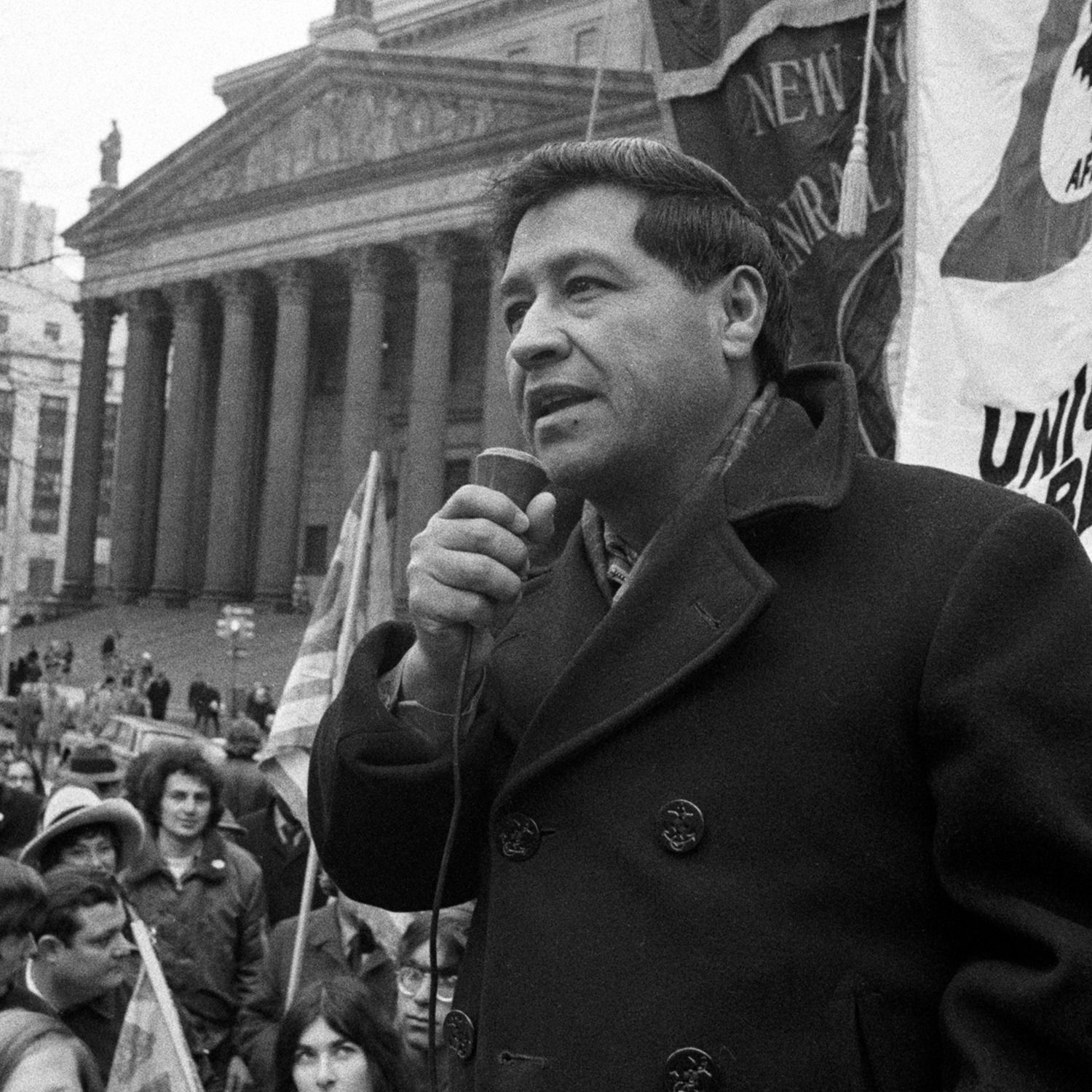
Overview of How Cesar Chavez Abused His Power
This episode of The Daily (The New York Times) covers a major NYT investigation that uncovered long-hidden allegations that labor leader Cesar Chavez sexually abused and assaulted women — including minors — in his farm‑workers movement. Reporters Manny Fernandez and Sarah Hertz describe how they found multiple women who say Chavez groomed and abused them, the reporting process, the patterns that emerged, and the immediate public fallout: statues and plaques covered or removed, the renaming of Cesar Chavez Day in California to “Farm Workers Day,” and a broader reckoning with his legacy.
Key findings and main takeaways
- The NYT investigation identified at least seven women with allegations ranging from sexual harassment and consensual affairs with adults to non‑consensual sex and sexual abuse of minors.
- Two central on‑record accounts: Deborah (Deborah Rojas) and Ana (referred to as Ana/Anna Merguia), who describe being groomed as teenagers and sexually abused by Chavez when they were about 12–13 and he was in his 40s.
- Dolores Huerta, a major figure in the movement, told reporters Chavez sexually assaulted and manipulated her and described secret pregnancies; the Times notes it has not independently verified her account but says it fits a broader pattern.
- Reporters found a consistent modus operandi: Chavez created “special” one‑on‑one dynamics (office talks, “healing” touch, yoga mats), isolated young women in movement spaces (La Paz), instructed secrecy, and sometimes punished or expelled women who became problems.
- The revelations have prompted immediate cultural and institutional responses (covered/removed statues, renamings) and a larger community reckoning with how movements should reckon with flawed leaders.
How the story was reported
- The reporting began in 2021 after a tip from Chavez biographer Matt Garcia and a post on a private Facebook group by Deborah Rojas alleging molestation.
- Manny Fernandez (LA bureau chief) and Sarah Hertz (investigative reporter with sexual‑violence reporting experience) worked together, building trust over months with survivors and interviewing many former movement members.
- Reporters broadened outreach to corroborate patterns rather than rely on a single account; they gathered on‑the‑record testimony from multiple women and contextual evidence about La Paz and movement operations.
- The team was careful to note where claims could not be independently verified (e.g., Dolores Huerta’s alleged pregnancies) while highlighting consistency across different accounts.
Survivor accounts and patterns
- Ana Merguia: moved to La Paz as a child; worked in Chavez’s office from about age 12–13; describes being kissed and then sexually assaulted on a yoga mat in his office; kept it secret due to isolation, fear, and devotion to the cause; later attempted to leave the movement, developed a heroin problem, returned for help, and was publicly expelled by Chavez’s board members.
- Deborah Rojas: posted publicly in a private Facebook group then later agreed to go on the record; says Chavez molested her and feared backlash for speaking out.
- Dolores Huerta: told reporters Chavez sexually assaulted her and manipulated her into sex; she claims secret pregnancies but those claims were not independently verified by the Times — still, her account aligns with the pattern reported by others.
- Pattern: grooming via intimacy and special treatment, use of spiritual/“healing” techniques to justify touch, secrecy instructions, exploitation of power imbalances within an insular movement community.
Context and significance
- Cesar Chavez was a towering civil‑rights figure for farmworkers; many in Latino communities regarded him as a hero comparable to MLK in the Southwest.
- The revelations complicate a widely revered legacy, prompting institutions and communities to reconsider public honors and memorials.
- Survivors kept these secrets for decades (up to ~60 years in one case). Many cited personal reasons for waiting to speak: fear of community backlash, protection of family members, the death of close relatives (e.g., Ana’s father), or the emotional cost of confronting a leader who symbolized a cause they believed in.
- The episode highlights a broader lesson: movements can both do vital public work and harbor internal abuse; naming abuse does not erase achievements but forces nuanced historical reckoning.
Immediate impact and public reaction
- Statues and images of Chavez were covered or removed; public art and building names have been changed in several places.
- California renamed Cesar Chavez Day (March 31) to Farm Workers Day.
- Many community members feel shocked, hurt, or betrayed; others have supported survivors and urged reassessment of public veneration.
Notable quotes
- Manny Fernandez on Chavez’s historical role: “He’s as important to the Southwest as maybe MLK is to the South.”
- From a survivor reflecting on accountability: “He’s just a man. He’s not the causa.”
- Deborah Rojas on why she waited: “Why not now?” — expressing that there was never a perfect time and that she wanted the shadow of Chavez to end.
Why this matters / broader implications
- The reporting underscores the need for oversight and accountability inside movements and organizations, especially where charismatic leaders have unchallenged power.
- It demonstrates how institutional loyalty and community reverence can silence victims for generations.
- The story pushes institutions and the public to separate the cause from the individual and to center survivor testimony in historical narratives.
What to read or do next
- Read the full New York Times investigation for the detailed reporting, sources, and documentation.
- Support survivor‑centered reporting and organizations that assist survivors of abuse and exploitation.
- Consider how public memorialization should be handled when a revered figure’s legacy includes documented harm; engage locally on decisions about statues, building names, and holidays.
Produced as a concise summary of The Daily’s episode reporting on the NYT investigation into Cesar Chavez; it synthesizes the episode’s major points, survivor accounts, journalistic approach, and the public aftermath.