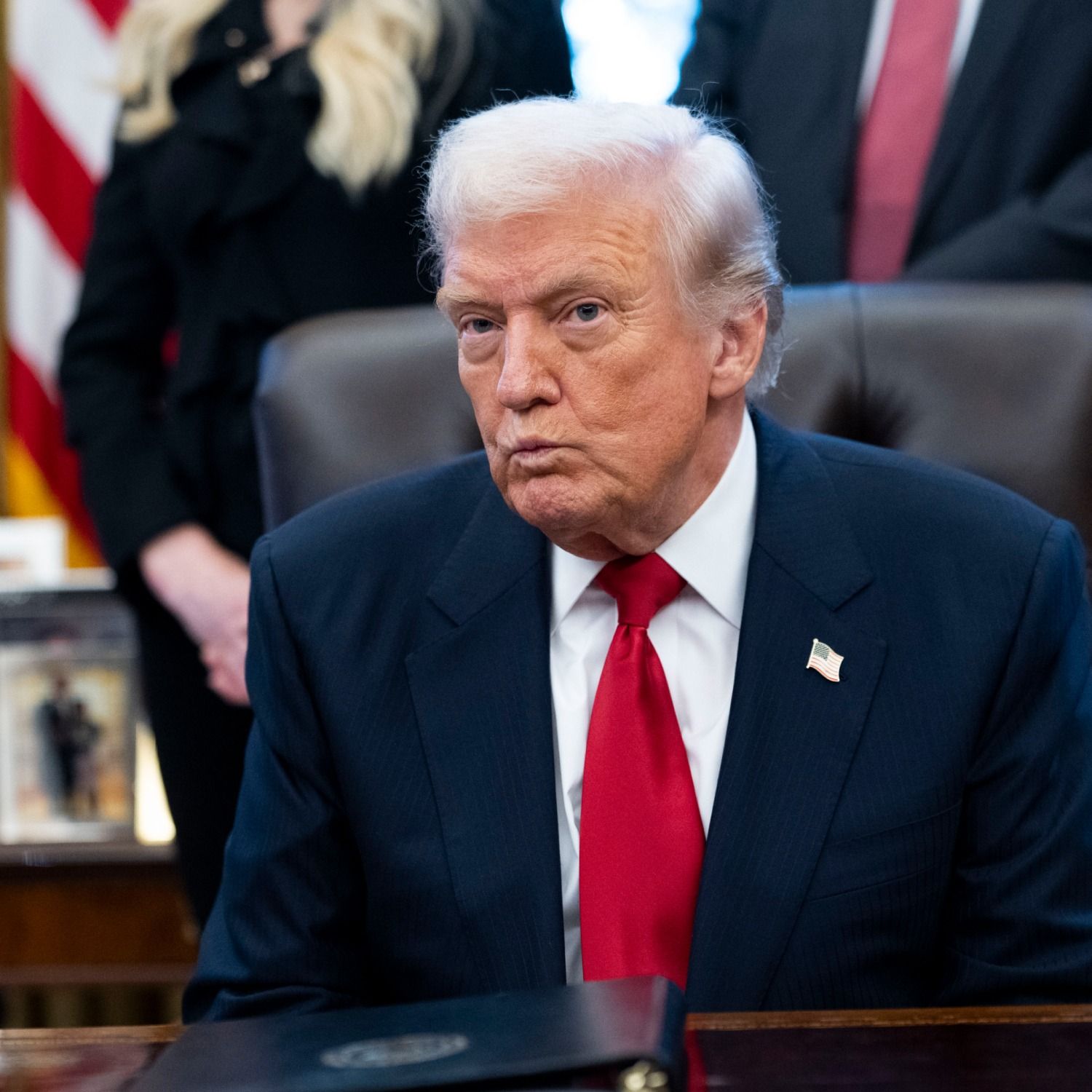
Overview of ‘He Knew’: What Epstein Said About Trump in New Emails
This New York Times Daily episode (host Rachel Abrams) reports on thousands of pages of newly released emails from Jeffrey Epstein’s account and what they reveal — and don’t reveal — about Epstein’s relationship with Donald Trump. Reporters David Enrich and Michael Gold walk through three emails Democrats released first, the broader 20,000+ pages Republicans then released, and the Capitol Hill fight to compel the Justice Department to turn over the rest of the Epstein files.
Key takeaways
- Democrats released three Epstein emails that reference Trump; Republicans then released a much larger trove (20,000+ pages) from Epstein’s estate.
- The three highlighted emails:
- April 2011: Epstein to Ghislaine Maxwell — “the dog that has not barked is Trump,” implying Epstein thought he had undisclosed information about Trump.
- December 2015: Epstein ↔ Michael Wolff — Wolff counsels letting Trump “hang himself” or cultivating leverage, suggesting Epstein believed he had potential political currency over Trump.
- Early 2019: Epstein to Wolff — references Mar-a-Lago and states, “Of course he knew about the girls …” and “Never a member ever,” appearing to assert Trump knew about Epstein’s recruitment of young women at Mar‑a‑Lago.
- Epstein’s claims are suspect: he was a chronic manipulator and liar; the emails show posture and opportunism more than proof.
- The releases are tied to a political/legislative battle: a bipartisan discharge petition (led by Rep. Ro Khanna and Rep. Thomas Massie) aims to force DOJ to release files; timing of releases intersected with a government shutdown vote and the swearing-in of Rep. Adelita Grijalva (the 218th signature).
- Even if the House forces a vote and passes a bill to compel release, the Senate and President could block or veto it — political obstacles remain.
Detailed summary
The three Democratic-released emails
-
April 2011 email to Ghislaine Maxwell
- Epstein writes that “the dog that has not barked is Trump” and notes a redacted victim “spent hours at my house with him.” Maxwell replies, “I have been thinking about that.” Context: Epstein was recently released from house arrest (2008–2011) and was looking to repair his reputation.
- Interpretation: Epstein implied he had undisclosed information linking Trump to an encounter with a victim; unclear what, if anything, that information actually was.
-
December 2015 email with Michael Wolff
- Occurred as Trump was emerging as a leading presidential candidate. Wolff tells Epstein to “let him hang himself” or suggests using Epstein’s apparent leverage to create a debt that could be cashed in later.
- Raises ethical concerns: Wolff, a journalist, appears to be giving PR/strategy advice to Epstein, a departure from standard journalist-source boundaries.
-
Early 2019 email to Michael Wolff
- Contains redactions but references Mar‑a‑Lago and says, “Of course he knew about the girls as he asked Ghislaine to stop. Never a member ever.”
- Suggests Epstein told associates Trump knew about recruitment of young women at Mar‑a‑Lago. Trump has publicly claimed he severed ties with Epstein and that Epstein was kicked out of Mar‑a‑Lago; Epstein’s note disputes “member” claim and asserts Trump knew of the girls.
The broader 20,000+ pages (Republican release)
- Republicans released the larger trove in part to argue Democrats were cherry-picking documents.
- Early review shows Epstein remained focused on Trump for years after they severed ties: disparaging Trump, probing Trump’s finances, and attempting to create leverage during periods when Epstein faced criminal probes.
- The trove contains many references to powerful figures; GOP messaging stressed breadth (Clinton and others included), but documents also repeatedly highlight Epstein’s fixation on Trump.
Credibility and context
- Reporters stress Epstein’s long pattern of lying and self-aggrandizement; emails show his attempts to use perceived connections as leverage.
- Ghislaine Maxwell’s DOJ statement — that she never saw Trump in an “inappropriate setting” — is in tension with some email language, but not a straightforward contradiction given redactions and context.
- The public significance is political and reputational more than evidentiary so far; the emails raise questions but do not on their face prove criminal conduct by Trump.
Notable quotes from the episode / emails
- “The dog that has not barked is Trump.” — Epstein to Maxwell (Apr 2011)
- “I think you should let him hang himself.” — Michael Wolff to Epstein (Dec 2015)
- “Of course he knew about the girls as he asked Ghislaine to stop.” — Epstein to Wolff (early 2019)
Capitol Hill politics and the fight over release
- Background: A bill by Reps. Ro Khanna (D) and Thomas Massie (R) would force DOJ to release Epstein files. Speaker Mike Johnson opposed using a bill to compel the administration, preferring Oversight Committee channels.
- Discharge petition: If 218 House members sign, a bill can be forced to the floor. Adelita Grijalva’s swearing-in provided the 218th signature, prompting urgency and White House lobbying.
- Political calculus: White House lobbied GOP members to remove names; four Republicans signed the petition earlier (Massie, Nancy Mace, Lauren Boebert, Marjorie Taylor Greene). Even if the House votes to compel release, the bill faces Senate barriers and a likely presidential veto.
Implications & what to watch next
- Short-term:
- Continued document review by reporters and Oversight staff — more relevant emails may be identified.
- Responses from people named in emails (Michael Wolff, Ghislaine Maxwell, Epstein estate, Trump) may clarify or contest interpretations.
- Mid-term:
- Possible House floor vote (timeline uncertain — could be December or later). If passed, political and legal battles over enforcement and potential veto follow.
- DOJ’s response and whether additional records are made public via oversight, litigation, or executive action.
- Long-term:
- The materials could shape public and political narratives about elite accountability, presidential transparency, and how powerful relationships were used or exaggerated by Epstein.
- Any incontrovertible evidence in the trove that ties named individuals to criminal conduct would prompt further legal and political consequences.
Bottom line
The released emails show Epstein claiming or implying he had damaging information about Donald Trump and trying to use perceived ties as leverage while under criminal scrutiny. They raise uncomfortable questions and political pressure for more transparency, but Epstein’s credibility is weak and the documents, as released so far, do not by themselves prove criminal behavior by Trump. Capitol Hill fights to force the DOJ to disclose the remaining files are ongoing and politically charged; whether the rest of the files will be released and what they will show remains uncertain.