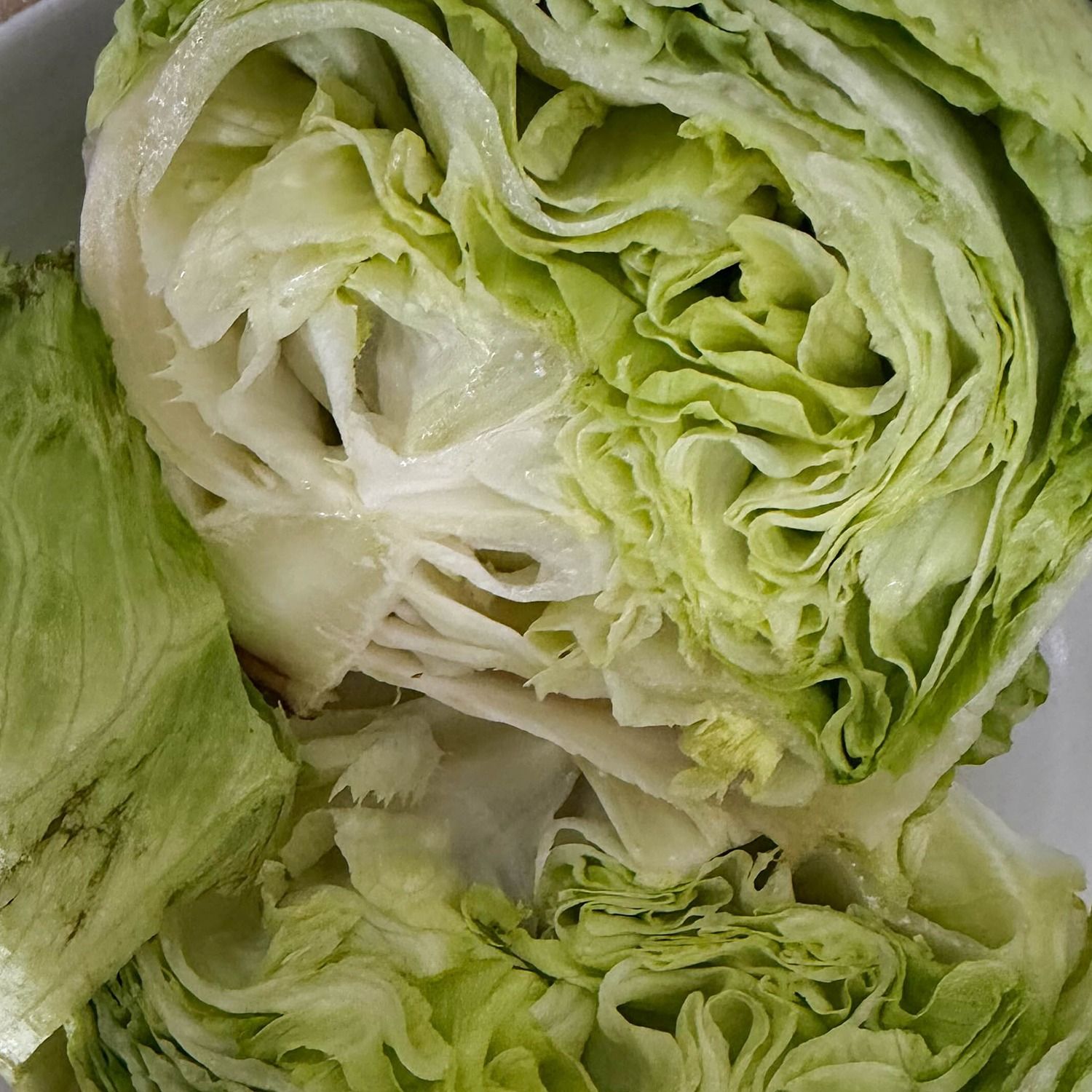
Overview of The Cyclospora Mystery: How Human Poop Got on So Much Lettuce
This New York Times Daily episode investigates the largest cyclospora outbreak in U.S. history, tracing a wave of severe gastrointestinal illness back to contaminated shredded iceberg lettuce linked to Taylor Farms and likely sourced from farms in Mexico. The conversation with reporters Christina Jewett and Caroline Hopkins Legaspi explains how cyclospora spreads, why it is so hard to detect and contain, and how weak oversight, fragmented recalls, and under-resourced public health agencies allowed the outbreak to keep expanding for weeks.
What Cyclospora Is and Why It’s So Severe
- Cyclospora is a parasite spread through food or water contaminated by human feces.
- It enters the body in microscopic “oocysts,” infects the intestines, and then reproduces there.
- Symptoms are often brutal:
- explosive diarrhea
- nausea
- loss of appetite
- dehydration and weakness
- The parasite has a long incubation period, meaning people may not feel sick for days or even weeks after exposure.
- Because diagnosis and reporting take time, outbreaks can keep appearing long after the original contaminated food is gone.
How the Outbreak Was Traced
- The outbreak began in late June and was first noticed mostly in the Midwest.
- State health officials and the CDC used epidemiological interviews to identify what sick people had eaten.
- Investigators looked for common foods across many cases, especially:
- raw produce
- restaurant meals
- grocery purchases
- The evidence pointed to shredded iceberg lettuce from Taylor Farms, sold through multiple channels, including Taco Bell and bagged salad brands.
Why the Source Is So Hard to Pin Down
- Taylor Farms has a large, complex supply chain with many growers, middlemen, and distributors.
- The company’s recall notices used coded lot numbers, which made it difficult for restaurants and retailers to know whether they had affected product.
- The reporting suggests this lack of transparency may have extended the outbreak, since some buyers may not have realized they needed to pull product.
- The suspected root problem is contaminated agricultural water:
- irrigation water
- rinse water
- pesticide-mixing water
- Likely contamination sources include latrines, sewage overflow, or poor sanitation near farms.
Why Pre-Washed Lettuce May Be Especially Risky
- Pre-cut and pre-washed lettuce can be exposed to contaminated water multiple times during processing.
- Despite being labeled “washed,” such products are not safer if the wash water is contaminated.
- Standard treatments like chlorine do not kill cyclospora effectively.
What the Outbreak Reveals About Food Safety
Weak Oversight
- The FDA is responsible for inspecting food facilities, including those overseas.
- But the agency has only about 450 inspectors for roughly 300,000 registered food facilities worldwide.
- The implicated Taylor Farms facility in northeast Mexico reportedly had not been inspected by U.S. officials since 2019.
Reliance on Self-Policing
- Because federal inspection capacity is limited, the system depends heavily on companies to:
- test their own products
- manage their own risks
- disclose problems voluntarily
- The reporters frame this as a system where incentives are supposed to align, but outbreaks show the limits of that assumption.
Underfunded Public Health Infrastructure
- Local and state health departments are the ones doing much of the outbreak tracing and case investigation.
- They are often understaffed and underfunded.
- The episode notes that state health departments received only a fraction of what they requested to monitor and respond to foodborne illness.
Political and Regulatory Context
- The episode suggests federal leadership has been quiet or dismissive about the outbreak.
- The Trump administration is said to be considering shifting most food-facility and farm inspections to states, even though many states lack the funding and infrastructure to take on that responsibility.
- The overall message: the U.S. food safety system is built on a lot of distributed responsibility, but not enough support.
Main Takeaways
- Cyclospora outbreaks can linger because the illness has a long delay between exposure, symptoms, testing, and reporting.
- Food traceability is a major weak point when supply chains are opaque and recalls are coded.
- Pre-washed produce is not automatically safer if contamination happens early in the supply chain.
- The outbreak exposed a larger problem: the U.S. food safety system is reactive, under-resourced, and too dependent on companies to police themselves.
Closing Note
The reporters say the outbreak may still continue for some time, even if the contamination source has already left the food supply, because new cases will keep emerging as people finally fall ill and get tested. Their personal coping strategy: avoiding lettuce and leaning on spinach, kale, and roasted vegetables for the moment.