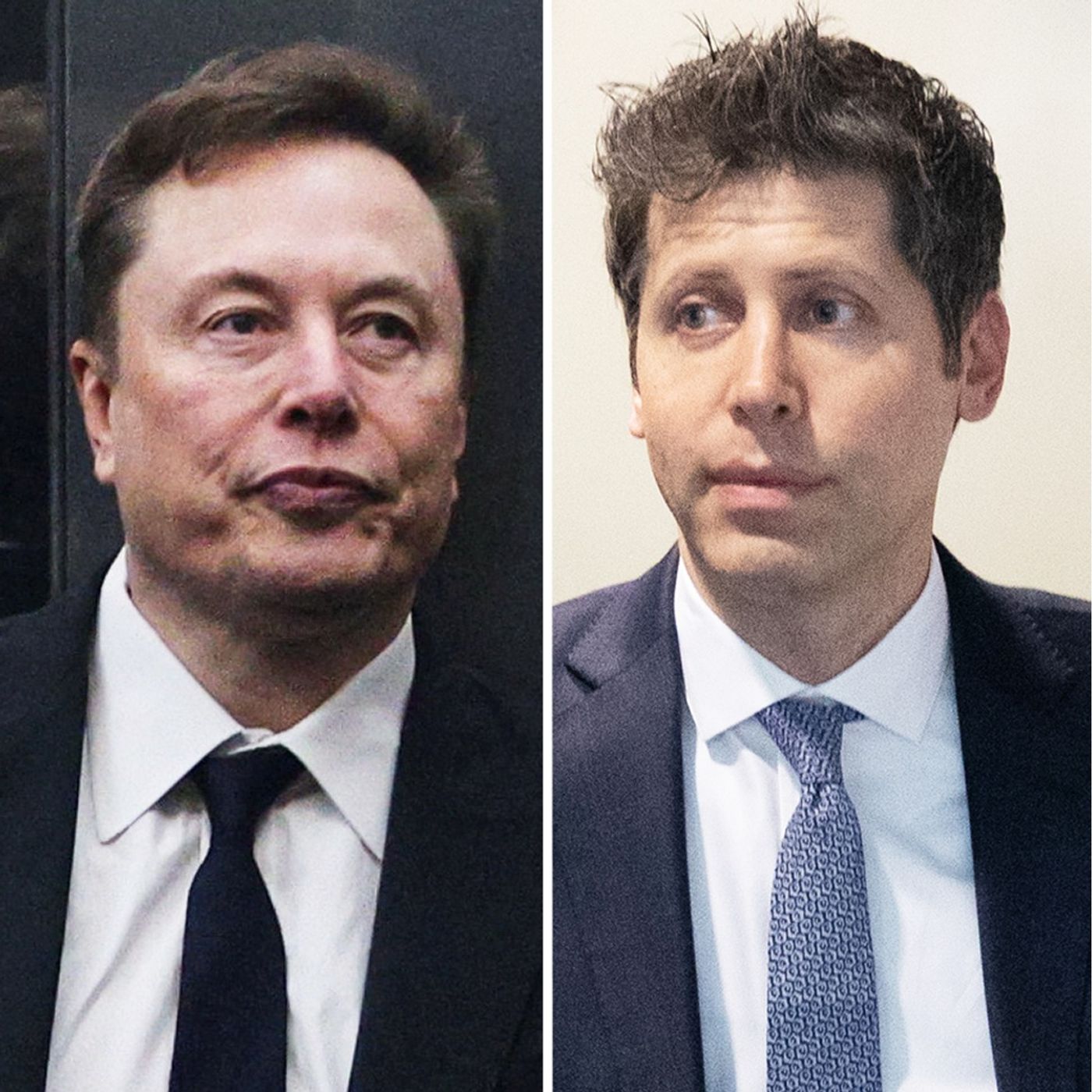
Overview of The Courtroom Showdown Between Elon Musk and Sam Altman
This New York Times Daily episode examines the high-stakes lawsuit between Elon Musk and OpenAI, where Musk is trying to force a major restructuring of the company he helped create and remove Sam Altman and Greg Brockman from leadership. Reporter Mike Isaac describes how a once-shared mission to build AI “for the good of mankind” has turned into a deeply personal legal and public battle over trust, power, and the future of artificial intelligence.
The Core Conflict
What Musk wants
Musk’s lawsuit seeks to:
- Recover $150 billion in damages, which he says should go back to the nonprofit tied to OpenAI
- Undo OpenAI’s for-profit structure
- Remove Sam Altman and Greg Brockman from leadership and the board
Musk’s argument
He claims he was misled into helping fund OpenAI as a nonprofit dedicated to humanity’s benefit, only for the founders to pivot toward a profit-driven model once the company became valuable.
How OpenAI Began
The 2015 origin story
The episode traces the roots of the dispute to an argument between Musk and Google’s Larry Page over AI’s future:
- Musk was alarmed about AI posing risks to humanity
- Page was more dismissive, reportedly saying AI would outlast humans anyway
- Musk helped launch OpenAI with Sam Altman as a way to build AI more safely and altruistically
Early mission
In the beginning:
- Musk was the money behind the effort
- Altman and Greg Brockman worked on the technical side
- The group privately talked about AI as an existential issue long before it became mainstream
Why the Relationship Fell Apart
The funding problem
By 2017–2018, Altman and Brockman realized that building advanced AI would require vastly more money than a nonprofit model could easily support.
Musk’s exit
Musk floated the idea of moving OpenAI under Tesla, but Altman rejected it. Musk then cut ties, though he continued paying office rent for a time.
The turning point
The split became much more hostile after:
- OpenAI released ChatGPT in 2022
- The product exploded in popularity
- Microsoft poured huge sums into OpenAI
- Musk viewed the company as having become exactly the kind of profit-driven enterprise he believed it had promised not to be
The Courtroom Drama
The atmosphere outside
Mike Isaac describes the courthouse in Oakland as a spectacle:
- Protesters show up early every day
- Musk and Altman supporters and critics gather
- The scene feels like a mix of tech celebrity trial and public referendum on AI
The atmosphere inside
Inside the courtroom, the trial becomes a contest of credibility:
- The jury is asked, in effect, which billionaire they believe
- Both men testify directly to the jury
- Their behavior, tone, and demeanor matter as much as the evidence
Elon Musk on the Stand
How Musk presented himself
Musk’s lawyers tried to frame him as:
- A visionary entrepreneur
- Someone who cares deeply about humanity
- A man betrayed by partners who changed the rules after receiving his support
His demeanor
On the stand, Musk came across as:
- Mannered and sometimes rambling
- Occasionally self-effacing and even charming
- Quick to become combative under cross-examination
Key impression
The OpenAI side appeared to argue that Musk was less a betrayed idealist and more a spurned power player angry that he lost control.
Sam Altman on the Stand
How Altman presented himself
Altman came across as:
- Softer spoken and more measured than Musk
- A founder who sees himself as building technology with purpose
- Someone trying to appear calm and credible under pressure
Attacks on his credibility
Musk’s lawyers aggressively challenged Altman’s trustworthiness, pointing to:
- His brief ouster and return at OpenAI
- Public reporting about inconsistency and duplicity
- The broader narrative that he may not always say the same thing to different audiences
The strategy
The line of attack was blunt: if Altman is untrustworthy, then Musk’s story becomes more believable.
Bigger Themes and Takeaways
1. The case is about character, not just contracts
The episode makes clear that this is not only about OpenAI’s legal structure. It is about:
- Who these men are
- Whether they can be trusted
- Whether their original ideals were sincere or strategic
2. AI competition has become vicious
Mike Isaac says the AI race is now far more intense than Silicon Valley competition used to be:
- Tens or hundreds of billions of dollars are at stake
- Companies use lawsuits and public smear campaigns as weapons
- The industry has become highly personal and adversarial
3. Public skepticism is growing
The trial lands at a moment when many people are already uneasy about AI:
- Technologists see progress and efficiency
- Many workers and regular users see job loss, concentration of wealth, and opaque power
4. No one comes out clean
Regardless of who wins, the episode suggests both sides lose something:
- Their internal emails and disputes are now public
- Their reputations are being tested in a very public way
- The fight reinforces the sense that AI leadership is driven by ego, money, and control as much as mission
Bottom Line
The episode portrays the Musk-Altman trial as a defining Silicon Valley showdown: a battle between two founders whose early shared vision for ethical AI has collapsed into accusations of betrayal, hypocrisy, and greed. More than a corporate dispute, it has become a referendum on who should be trusted to shape the future of artificial intelligence.