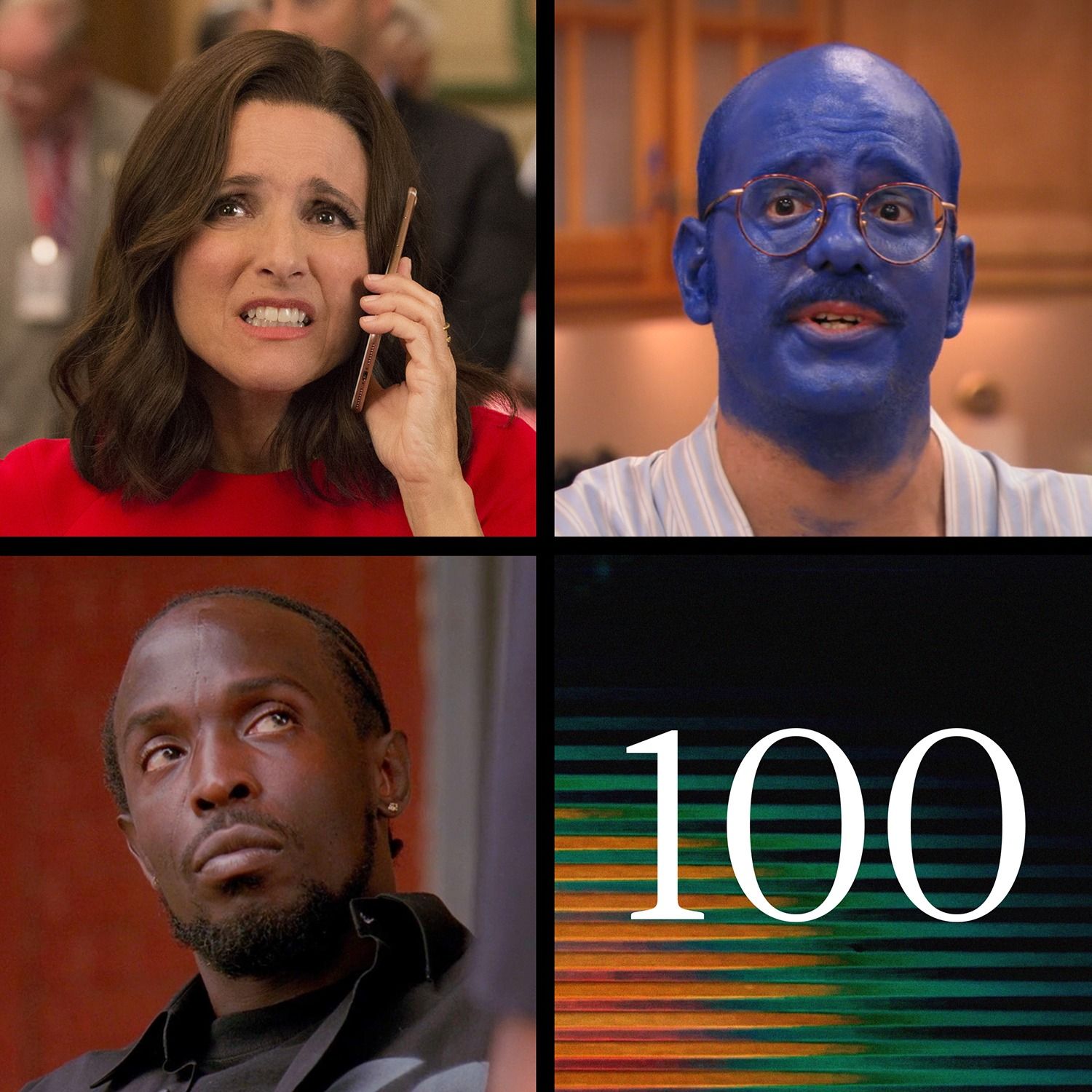
Overview of The Best TV Shows of the 21st Century
This New York Times Sunday Daily episode breaks down the paper’s ranked list of the 100 best TV shows of the 21st century, focusing on what the top selections say about how television changed over the last 25 years. The conversation with TV critic James Poniewozik and canon editor Gilbert Cruz argues that modern TV is defined by genre-blending, strong authorial voices, prestige production, and a shift toward antiheroes and morally complex storytelling. The episode also explores a few notable omissions and why some shows from the late 1990s, like The Sopranos, don’t qualify under the list’s cutoff.
Top 10 Shows Discussed
Ranked 10–6
- 10. Atlanta
- 9. Curb Your Enthusiasm
- 8. 30 Rock
- 7. Veep
- 6. Game of Thrones
Ranked 5–1
- 5. Fleabag
- 4. Succession
- 3. Mad Men
- 2. The Wire
- 1. Breaking Bad
Main Arguments and Takeaways
Comedy and drama are increasingly inseparable
A major theme is that the list shows how hard it is to separate “comedy” from “drama” in modern TV:
- Atlanta mixes humor with unsettling, dramatic episodes.
- Succession and Fleabag are funny but emotionally brutal.
- Even dramas like Mad Men and Breaking Bad contain plenty of humor.
“Joke density” helped shape modern comedy
The hosts spend significant time on 30 Rock as a model of densely packed, high-speed jokes:
- It’s admired for its relentless punchlines and rewatchability.
- Unlike shows that are just joke machines, it also has a point of view about media and culture.
Cringe comedy became a defining mode
Curb Your Enthusiasm is framed as a major influence on 21st-century TV:
- It turns petty social discomfort into a whole narrative engine.
- It helped define cringe comedy and inspired later shows built around social awkwardness and anxiety.
TV became more cynical, sharper, and more political
Several shows reflect a deeper skepticism about power:
- Veep is praised for its savage insults and political cynicism.
- Succession is seen as a ruthless portrait of wealth, family dysfunction, and media power.
- The Wire is highlighted for exposing broken systems across police, politics, media, and city life.
The antihero era is central to the century’s TV story
The episode repeatedly returns to the rise of morally compromised lead characters:
- Breaking Bad is described as a perfect antihero saga.
- Mad Men and Succession also explore characters who are compelling without being likable.
- The hosts suggest this trend began before the 21st century, but the century’s TV landscape fully built on it.
Why the Top 5 Stood Out
Fleabag
- Celebrated for its intimate, confessional voice.
- Praised for making a deeply specific woman feel universally resonant.
- Seen as both a product of and a reflection of “peak TV” and streaming-era creative freedom.
Succession
- Admired for its dialogue, satire, and emotional cruelty.
- The Roy family is impossible to root for, yet irresistibly watchable.
- The show is treated as a sharp satire of media, power, and inherited damage.
Mad Men
- Valued for its craftsmanship, psychology, and rewatchability.
- The show’s advertising backdrop is tied to its larger themes of storytelling, identity, and self-deception.
- Peggy’s growth and Don Draper’s hidden life are singled out as especially rich character work.
The Wire
- Described as the most ambitious and systemic of the group.
- It examines every level of urban dysfunction and institutional failure.
- The hosts stress that it “taught” them how the world works, not just how TV works.
Breaking Bad
- Chosen as the No. 1 show for its momentum, tension, and transformation of Walter White.
- The hosts debate whether Walter is corrupted by circumstance or reveals his true nature over time.
- The binge era is mentioned as important to how the show was experienced and interpreted.
Notable Omissions and Honorable Mentions
The Sopranos
- The hosts explain it is not eligible because it premiered in 1999, before the 21st-century cutoff.
- Still, they argue it influenced nearly everything that followed, especially antiheroes and serialized storytelling.
Shows the hosts say they would have included
- Hannibal — admired for its style, performances, and outrageous darkness
- Adventure Time
- Transparent
- Orange Is the New Black
- Jackass — defended as a kind of anarchic American art
- Rectify — praised as a profound, sensitive story of redemption and grace
Final Takeaway
The episode’s core argument is that the best TV of the 21st century is not just about popularity or prestige. It’s about:
- distinctive voices,
- moral complexity,
- genre blending,
- and the ability to capture the cultural anxieties of the era.
The list, in the hosts’ view, is really a map of how television evolved from episode-driven entertainment into one of the dominant storytelling forms of modern culture.