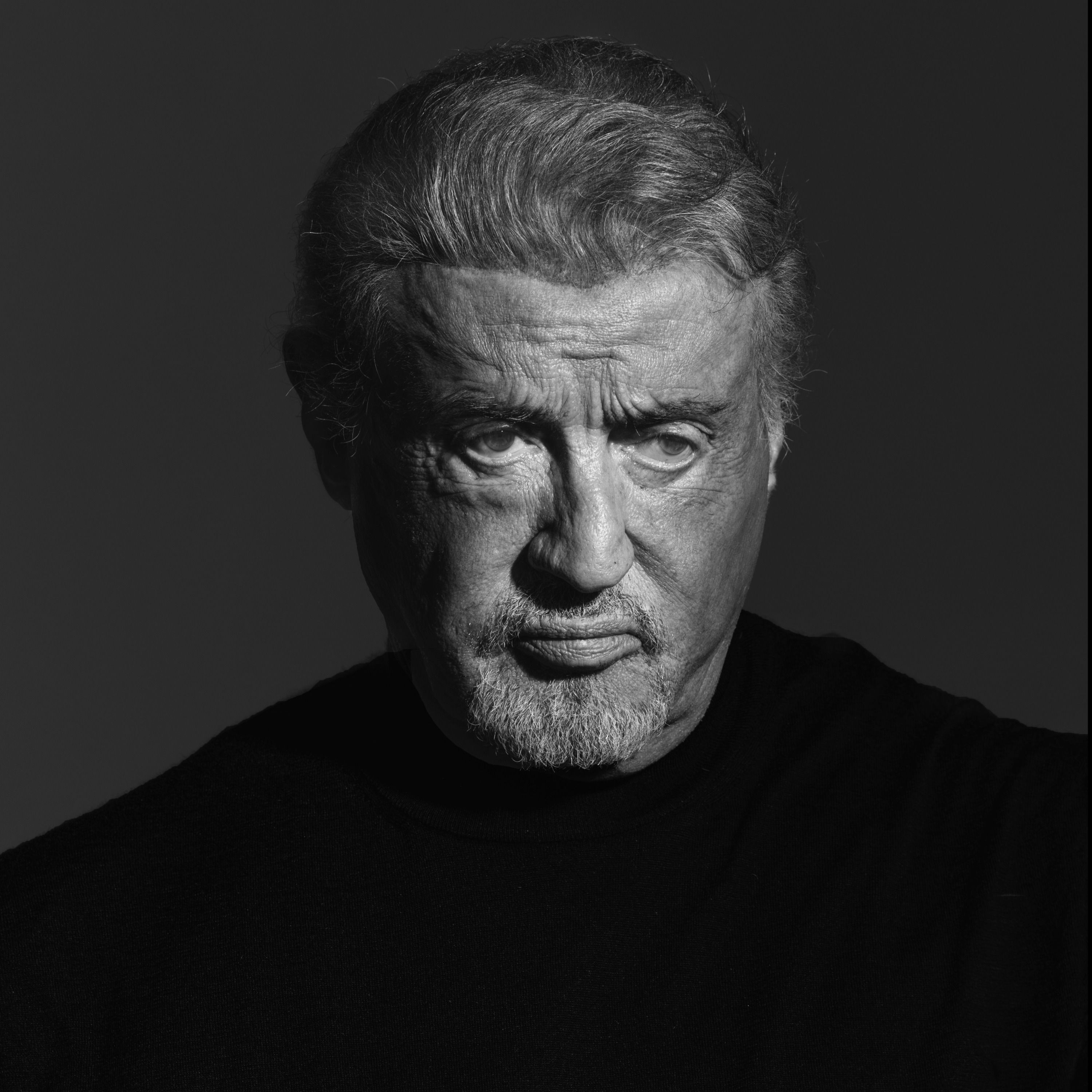
Overview of the New York Times interview with Sylvester Stallone
In this two-part New York Times conversation, Sylvester Stallone discusses his memoir The Steps and reflects on the painful experiences that shaped his life and career. At 80, Stallone speaks with unusual candor about childhood abuse and neglect, his long struggle with shame and anxiety, the obsessive discipline behind Rocky and Rambo, the physical toll of his action-star persona, and the regrets that have followed him for decades. The interview also traces how fame, rivalry, fatherhood, loss, and age have changed his outlook — including his later shift from a pro-war image to a strongly anti-war stance.
Key Themes and Takeaways
A childhood defined by pain and survival
- Stallone says he was born into turmoil: a difficult labor partially paralyzed part of his face, which affected his speech and self-image.
- He describes his parents as emotionally unavailable and often abusive.
- As a child, he was sent to boarding situations and later to a disciplinary school and psychiatric ward, which he recalls as terrifying and dehumanizing.
- His father was physically violent and humiliating; his mother was distant, self-involved, and later publicly exploitative of his fame.
“Tough” as a mask for trauma
- Stallone repeatedly says that what looked like toughness was often a defense mechanism.
- He connects his ferocity, competitiveness, and drive to being shamed, dismissed, and physically punished as a child.
- The interview makes clear that his “no one can break me” persona was built from fear and survival, not confidence.
The making of Rocky
- Stallone explains that Rocky came from a place of desperation: he believed it was his last chance.
- He refused to sell the script unless he could star in it, even though studios wanted someone else.
- He says the film’s emotional core came from his own sense of being overlooked and underestimated.
- The movie’s success transformed him overnight, turning him from anonymous struggler into one of Hollywood’s biggest stars.
Fame didn’t heal him — it intensified things
- Stallone says fame made him more combative, less humble, and at times petty.
- He admits that success fed resentment and a need to prove people wrong.
- He describes Hollywood as a place where the product is not a film, but the person themselves — which makes the business uniquely brutal.
His body became an “armor”
- Stallone talks about becoming obsessive about fitness and body composition as part of his roles.
- He reveals that he became bulimic and used steroids to maintain the extreme physique associated with his action-star image.
- He says the physical transformation came at a heavy cost: injuries, surgeries, and a lifelong dependence on pain management and recovery.
- He now sees that self-punishing discipline as partly masochistic.
Anxiety, regret, and emotional volatility
- Stallone describes panic attacks and anxiety that began later in life, including episodes in public settings and before major appearances.
- He says therapy didn’t help much because it couldn’t erase the underlying wounds.
- Regret is a major theme: he says he can “make a castle out of regrets.”
- His outlook is now more reflective, but not entirely forgiving of himself.
Family, fatherhood, and loss
- He says he was not a very good parent during his first marriage, largely because he was consumed by work and ambition.
- He credits his wife Jennifer as a stabilizing force and as someone who helped create real emotional security in his life.
- The death of his son Sage in 2012 remains one of the most devastating events in his life.
- He describes the guilt and shock as something that does not fully go away.
Rambo, war, and changed politics
- Stallone acknowledges that he once had a more macho, pro-force worldview, and that Rambo came to symbolize American power.
- He now says that war is futile and destructive, and that his earlier stance was rooted in naïveté and Hollywood-era posturing.
- He regrets that the character became more of an action icon than a wounded soldier with emotional depth.
Rivalries that became creative fuel
- He discusses his long-running competitive relationship with Arnold Schwarzenegger, which began as real hostility.
- Stallone says their rivalry pushed both of them to be bigger, bolder, and more successful.
- He also reflects on Planet Hollywood and the absurdity of being business partners while barely tolerating each other.
- Over time, that competition turned into respect and friendship.
Underappreciated work and late-career perspective
- Stallone names Copland as one of his most underappreciated performances.
- He says that as he aged, he increasingly gravitated toward roles that let him explore vulnerability, weariness, and loss.
- He sees Tulsa King as a gift — another chance to work, create, and keep moving.
- Even now, he frames acting as something he cannot simply stop doing: it is part of his identity and life force.
Notable Insights
What Stallone seems to believe now
- Pain can shape art, but it can also distort a life.
- Strength and damage are often intertwined.
- Fame is not healing; it can simply amplify what was already broken.
- Regret is unavoidable, but continuing to create is a way of making peace with it.
Most revealing admissions
- He became bulimic during his bodybuilding years.
- He used steroids to sustain his action-star physique.
- He experienced severe anxiety attacks as an adult.
- He feels deep regret about how he treated family relationships and how fame changed him.
Final Impression
This interview presents Sylvester Stallone less as an invincible action hero and more as a deeply wounded, highly driven artist who built a career out of trauma, hunger, and perseverance. The conversation reframes Rocky and Rambo as expressions of survival, not just entertainment — and shows an older Stallone trying, in his own rough-edged way, to reckon with the cost of the life that made him famous.