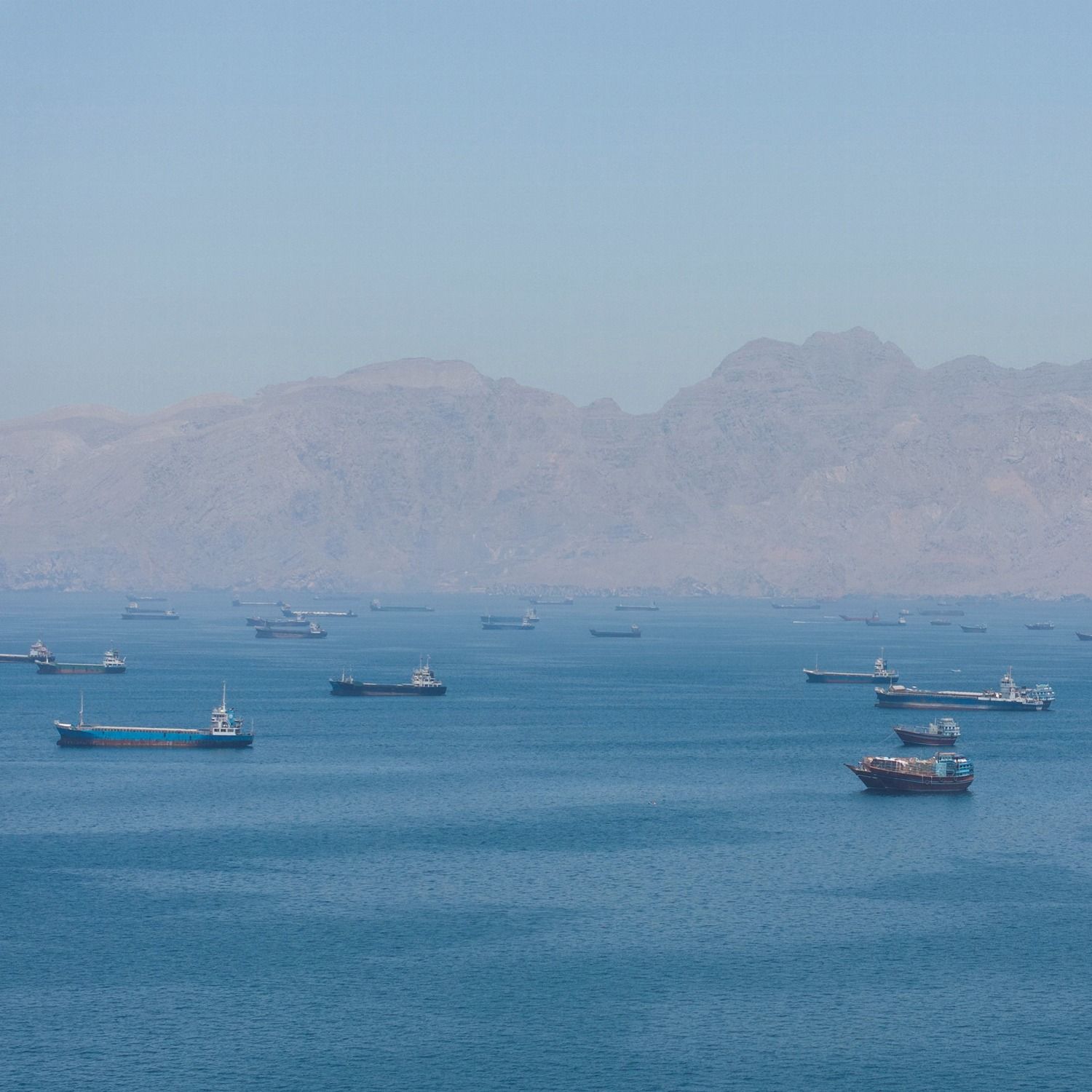
Overview of Stranded in the Strait of Hormuz
This New York Times Daily episode reports on the maritime crisis in the Strait of Hormuz, where months of conflict have left thousands of seafarers trapped aboard ships in a vital global shipping lane. Through interviews with two crew members still stuck in the region, the episode shows the fear, uncertainty, and isolation faced by workers whose jobs keep global trade moving—but who now cannot safely leave.
What Happened in the Strait of Hormuz
- The Strait of Hormuz is a narrow but strategically crucial waterway between the Persian Gulf and the Arabian Sea.
- It carries a major share of the world’s oil and gas supply and sees heavy daily ship traffic.
- After fighting broke out, attacks in and around the strait made passage dangerous or impossible for many vessels.
- Even with signs that the U.S. and Iran may be moving toward reopening the strait, no final deal had been reached, and the channel remained shut for many ships.
Captain Virendra Vishwakarma’s Ordeal
Captain Virendra Vishwakarma, an experienced LPG tanker captain from India, described being caught in the middle of missile and drone attacks while loading cargo in Kuwait.
Key details from his account
- He saw missiles and debris from the bridge of his ship as attacks unfolded.
- He feared his vessel could become a “massive bomb” because it carried thousands of metric tons of propane and butane.
- GPS stopped working, forcing the crew to navigate using traditional seamanship skills.
- He eventually received a secret route from the Indian Navy and escaped with an escort.
Emotional impact
- He described the experience as like being in a “jail.”
- His family called daily, especially his children, but he could not tell them when he would be home.
- After leaving, he said he felt immense relief and pride, especially when reunited with his family.
Angtu Khan’s Experience as a Stranded Safety Officer
Angtu Khan, from Myanmar, was still stranded aboard a car carrier drifting near Abu Dhabi, about 150 nautical miles from the Strait of Hormuz.
What life on board has been like
- As safety officer, he feels responsible for the crew’s well-being and his own.
- He listens constantly to radio transmissions and warnings from the Iranian military.
- He has heard distress calls from other ships, including pleas for food, water, and medical help.
- He said hearing those calls makes him feel powerless.
Coping with isolation
- He described the situation as “house arrest.”
- Stress has made crew members more irritable and emotionally strained.
- To cope, the crew:
- plays basketball in the cargo hold,
- celebrates birthdays,
- sings together,
- and he reads books on positive thinking before bed.
- He sang “Home” as a reminder of his family and the life he wants to return to.
Bigger Picture and Stakes
- The UN says at least 39 commercial vessels in the region have been hit during the conflict.
- At least 11 seafarers and one shipyard worker have been killed, with others injured or missing.
- About 1,500 ships are still stuck in the Persian Gulf, with roughly 20,000 seafarers aboard them.
- Maritime unions have received many distress calls from ships running low on food, medicine, and water.
Main Takeaways
- Seafarers are bearing the human cost of a geopolitical crisis.
- Global trade depends on workers who are often invisible until disaster strikes.
- Even when a ceasefire or de-escalation seems possible, ships and crews may still be trapped for weeks or months.
- The emotional toll is severe: fear, sleeplessness, helplessness, and separation from family are central themes throughout both stories.
Notable Insight
- Captain Vishwakarma summed up the role of seafarers as keeping “the world economy” moving—so that goods arrive on time, even when the people doing the work remain unseen.
- Angtu Khan’s repeated desire to “go home” captures the episode’s core emotional theme: survival is not just physical safety, but also the hope of returning to ordinary life.