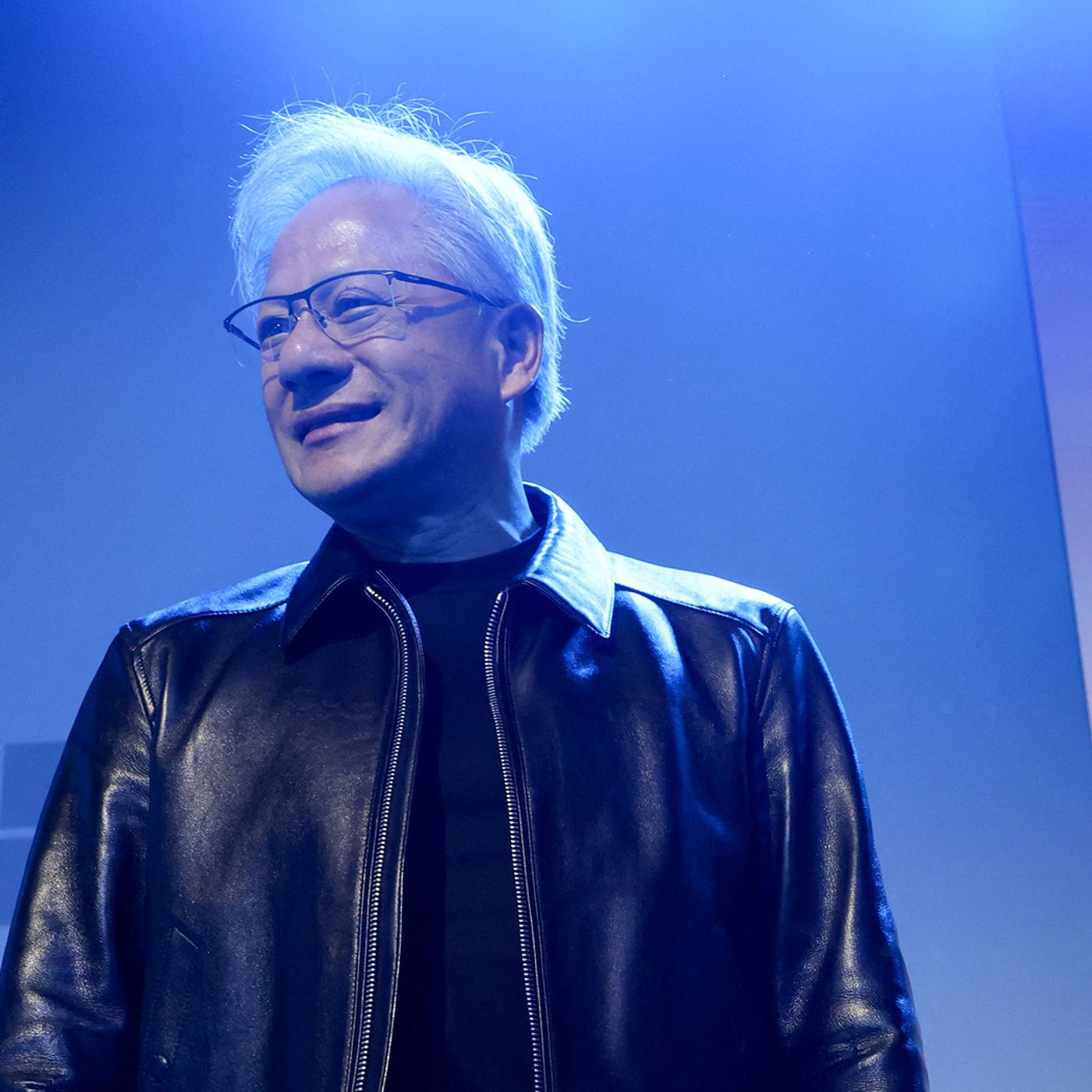
Overview of Secrets, Chips and Spycraft: The Nvidia C.E.O. Scandal
This episode of The Daily examines the extraordinary scandal surrounding Nvidia CEO Jensen Huang, whose company sits at the center of the AI boom and global chip competition. The New York Times reports that Huang had an affair with a woman U.S. officials believe was a Chinese intelligence asset, raising questions about espionage, export controls, Nvidia’s business in China, and whether one of the most influential executives in tech may have been compromised.
What the Story Is About
- Nvidia’s outsized power: The company supplies the vast majority of chips used to build and run AI systems, making it central to the global AI race.
- A possible spy operation: U.S. intelligence concluded that a woman close to Huang was working on behalf of China’s Ministry of State Security.
- A high-stakes corporate and geopolitical scandal: The affair and alleged espionage intersect with U.S.-China tensions, AI policy, and market confidence in a $4 trillion company.
How the Investigation Began
- The Times’ reporting started with Megaspeed, a Singapore-based data center company that bought billions of dollars’ worth of Nvidia chips.
- Investigators found signs that Megaspeed had strong China ties, despite Nvidia’s claims that it did not.
- Reporters discovered:
- Megaspeed had purchased more than $4.8 billion in Nvidia chips in about two years.
- Its office in Singapore was tiny and appeared largely empty.
- The company was owned through a shell company housed in an accounting firm.
- U.S. Commerce officials grew suspicious that the setup could be part of a loophole allowing chips to be routed to China indirectly.
The Spy Allegation and Jensen Huang
- The central figure is Alice Wong (the transcript’s name appears to be garbled), described as:
- a Chinese citizen,
- a former journalist,
- and, according to U.S. intelligence, a Chinese spy.
- She was photographed and seen with Huang at industry events, and witnesses described her as someone who could seemingly get access to him quickly.
- U.S. intelligence reportedly believed:
- she was trying to learn more about American AI chips,
- and potentially influence U.S. policy on chip exports to China.
- Officials were concerned because of Huang’s influence in Washington and his relationship with the White House.
What U.S. Officials Did
- U.S. intelligence briefed President Trump about the surveillance roughly a year earlier.
- Trump did not act at the time and Huang was not given a defensive briefing.
- Later, Marco Rubio requested an update and emphasized that the woman was a Chinese intelligence asset.
- Around that time, Huang was initially left off a U.S. delegation to Beijing, though he later joined the trip after a last-minute invitation.
Huang’s Response and Nvidia’s Position
- After the story was published, Nvidia said it had not been informed by the government and viewed the relationship as normal business contact.
- Huang later wrote to the board and employees:
- admitting he had had an affair,
- apologizing to his wife and children,
- and saying there was no excuse for his behavior.
- He did not address whether he knew she was a spy.
- Nvidia said Huang would remain in charge, while the board opened an independent investigation.
Why It Matters
For Nvidia
- Huang is seen as indispensable to the company.
- Nvidia has a highly centralized structure with no obvious successor, so leadership uncertainty is especially risky.
- The scandal could weaken trust in Huang’s judgment and complicate his role.
For AI and U.S. policy
- Huang has long argued for selling more chips to China so Chinese firms remain dependent on U.S. technology.
- The new allegation forces policymakers to reconsider whether his stance was:
- genuine strategic thinking,
- or potentially influenced by a compromised relationship.
For markets
- Nvidia is so large that its stock has major effects on the broader market.
- Any doubt about Huang or the company can ripple through the economy and investors’ portfolios.
Political Fallout
- Trump publicly downplayed the matter and suggested Huang may continue to have access and influence.
- With new congressional majorities coming in, the story is likely to trigger hearings and oversight.
- The episode suggests Huang may spend more time defending his past than shaping the future of AI policy and chip design.
Key Takeaways
- Nvidia is not just a company; it is a strategic asset in the AI race.
- The Times’ reporting links a major chip-routing operation, alleged espionage, and a personal relationship involving Nvidia’s CEO.
- Even if no classified information was shared, the scandal creates lasting doubt about Huang’s credibility and vulnerability.
- The case could reshape:
- Nvidia’s leadership,
- U.S. export policy toward China,
- and how Washington treats powerful tech executives going forward.