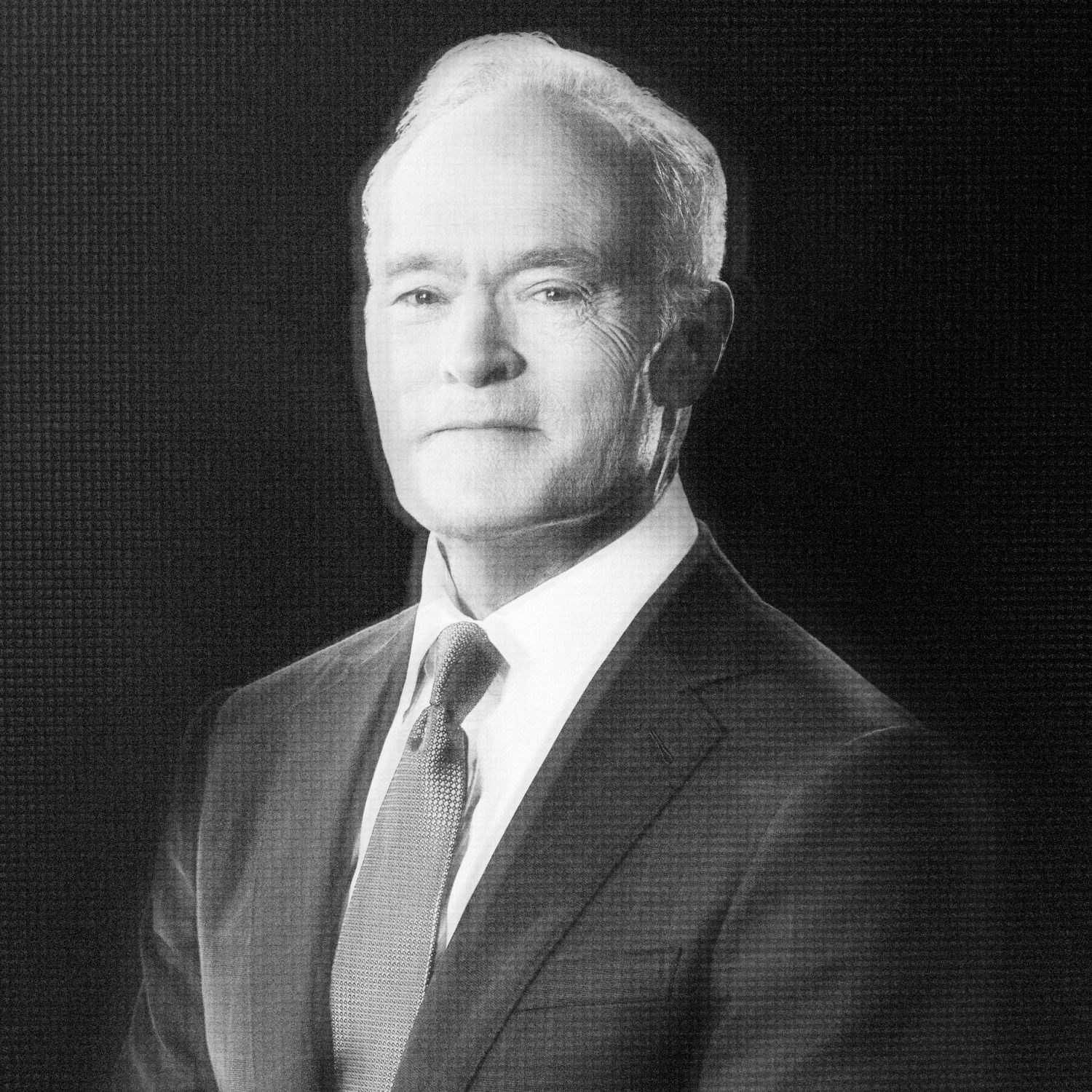
Overview of Scott Pelley on His Firing and the “Massacre” at ’60 Minutes’
In this New York Times interview, Scott Pelley reflects on being fired from CBS after 37 years at the network and describes what he sees as a disruptive takeover of 60 Minutes under new CBS leadership. He calls the sudden ouster of senior staff “the Black Thursday massacre,” argues that editorial interference increased under Barry Weiss, and says the changes felt both callous and destabilizing to the show’s culture. CBS, in a statement appended to the episode, denies political bias and says the disputes were standard editorial back-and-forth.
What Happened at CBS and Why Pelley Is Upset
Sudden firings and leadership changes
- Pelley says he and his colleagues were shocked when major 60 Minutes leaders and correspondents were abruptly removed.
- He highlights the firing of Tanya Simon, the first woman to serve as executive producer of 60 Minutes, as especially painful.
- He also criticizes the installation of Nick Bilton as executive producer, saying he lacked television news and management experience.
Pelley’s sense of betrayal
- He repeatedly frames the firings as a personal and institutional trauma, saying the experience felt like “your spouse was murdered.”
- His central complaint is not only that people were fired, but that no convincing explanation was given to the staff.
- He says the leadership change showed “cold, callous indifference” toward the culture and people of 60 Minutes.
Allegations of Editorial Interference
The Minneapolis protest story
Pelley describes a politically sensitive 60 Minutes story about protests in Minneapolis during an ICE crackdown.
Key points:
- The piece included footage showing protesters acting aggressively and contextualized the shooting of Renee Good and the killing of Alex Preddy.
- Pelley says the story was already balanced and thoroughly vetted before Barry Weiss sent late-breaking edits.
- He says Weiss asked for the protesters to look “more violent” and wanted language changed to align with the administration’s version of events, especially regarding whether Good’s car was driving toward an officer.
Why Pelley refused the changes
- After reviewing the footage carefully, Pelley concluded that the video did not support the requested framing.
- He says he declined to make the changes because he believed they were inaccurate and arrived too late, nearly jeopardizing the broadcast deadline.
- He views this as the first time in his career at CBS that he felt there was a “thumb on the scale” for one political side.
Pelley’s View of the New Leadership
Barry Weiss
Pelley says:
- Weiss is talented in her own arena, but not suited to run television news.
- She lacks television experience and large-organization management experience.
- Her worldview and ideological style are a poor fit for CBS News, in his view.
Nick Bilton
Pelley is equally critical of Bilton:
- He says Bilton’s introductory email to staff was insulting and showed ignorance of 60 Minutes history.
- He objects to Bilton’s “ice cube melting” metaphor for the broadcast, calling it disconnected from the reality of a digitally evolved newsroom.
The Bigger CBS/Paramount Context
Sale to David Ellison
- Pelley says he initially welcomed the sale of Paramount/CBS to David Ellison because the company was in financial trouble and needed fresh resources.
- He recalls Ellison visiting 60 Minutes early in the transition and speaking warmly about the importance of editorial independence.
Trump settlement and loss of trust
- Pelley says confidence in previous ownership collapsed after Paramount paid $16 million to settle Trump’s lawsuit over a 60 Minutes interview with Kamala Harris.
- He describes that settlement as a “bribe” that deeply damaged morale inside the newsroom.
Why Pelley Says 60 Minutes Matters
Journalism as a high-trust, high-stakes institution
- Pelley emphasizes that 60 Minutes is built on long-standing relationships, shared risk, and mutual trust.
- He compares newsroom bonds to those in the military, police, or fire service.
- He argues that leaders without newsroom experience do not understand the emotional and operational realities of hard-news reporting.
The show’s evolution
Pelley rejects the idea that 60 Minutes is frozen in the past:
- He says the program has long adapted to digital platforms and younger audiences.
- He argues that the claim it is outdated is simply false and reveals a lack of understanding of the broadcast’s actual work.
Pelley’s Final Take on His Firing
- He says he expected a conversation about how to move forward, not termination.
- He believed he could have remained at 60 Minutes and helped preserve the broadcast’s standards from the inside.
- He ends with a broad warning that CBS News lacks “adult supervision” and is, in his view, at risk of undermining one of the most important news programs in America.
CBS’s Response
CBS News issued a statement pushing back on Pelley’s claims:
- It says Barry Weiss’s comments on the Minneapolis story were part of normal editorial collaboration and were intended to make the piece “strong, fair and accurate.”
- It rejects the idea that Weiss was applying political pressure or bias on behalf of the administration.
- It also insists that there is “no credible argument” that Weiss has put a thumb on the scale politically.
Main Takeaways
- Pelley sees his firing as part of a broader collapse in newsroom culture at CBS.
- His strongest allegation is that new leadership has shown both inexperience and political slant.
- The interview is as much about the future of 60 Minutes and CBS News as it is about his own departure.
- CBS disputes the accusations and frames the changes as normal newsroom editorial judgment.