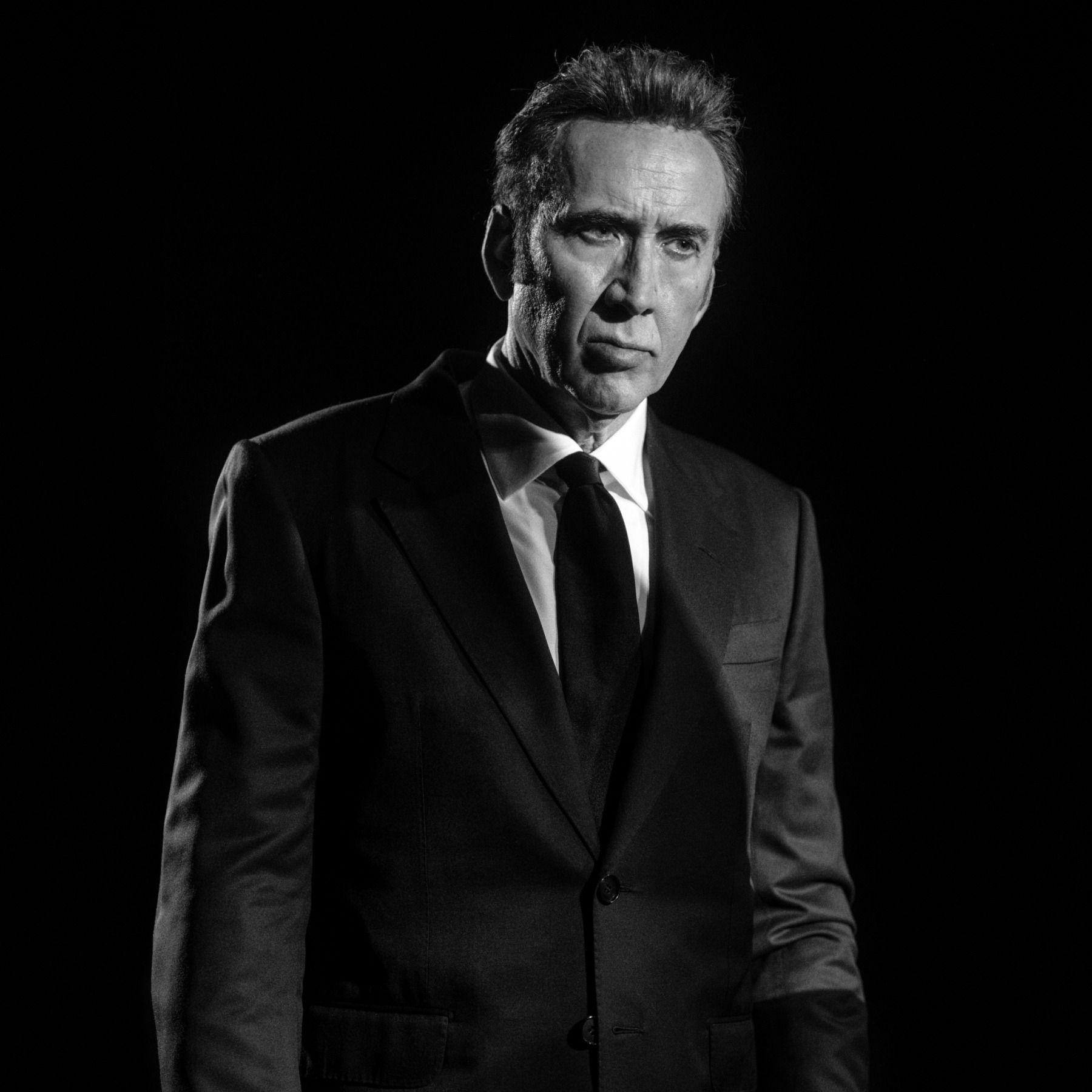
Overview of The New York Times interview with Nicolas Cage
In this wide-ranging conversation, Nicolas Cage reflects on his career as one of Hollywood’s most unpredictable and imaginative actors, discussing his acting philosophy, his embrace of risk and originality, and how he’s adapted to being a meme-era cultural icon. He also talks about his new TV project Spider-Noir, his performance in Dream Scenario, the challenge of portraying real-life figure John Madden, and how age, fatherhood, and a more monastic personal life have changed his priorities.
Key themes and takeaways
-
Acting as emotional excavation
- Cage describes acting as a craft that sometimes requires entering dark or uncomfortable mental spaces to make a performance feel true.
- He says this is not about reckless behavior in real life, but about accessing genuine emotion on camera.
-
He sees risk as the point
- Many of his most memorable performances were intentionally unconventional and designed to provoke a real reaction, even negative ones.
- He cites Peggy Sue Got Married, Raising Arizona, Vampire’s Kiss, and Deadfall as examples of choices that were risky but artistically satisfying.
-
“Art synthesis” is his creative method
- Cage explains that he often pulls from other art forms—film, music, painting, graphic art—to shape a performance.
- He references influences like Francis Bacon, Warhol, Lichtenstein, Stockhausen, Bruce Lee, Bogart, Cagney, and Peter Lorre.
-
TV and noir as a new frontier
- Spider-Noir is his big television swing: a black-and-white, 1930s-style detective story in which he plays a superhero/private investigator hybrid.
- He says the project lets him combine reverence for old Hollywood with pop culture spectacle in a way that might introduce younger viewers to classic film styles.
-
He’s aware of his meme status—but not obsessed by it
- Cage discusses how moments from films like Vampire’s Kiss became internet memes.
- He says the memification of his image has kept him culturally relevant, even if it wasn’t part of his original intention.
-
He feels he has done what he came to do in film
- Cage says Dream Scenario felt like a culmination of his film work, especially because it let him engage directly with the idea of his own public image and “memification.”
- He suggests he may be slowing down in film, or at least seeking new challenges in stage or television.
-
A more controlled personal life
- Outside of work, he says he’s become much more careful and restrained.
- He emphasizes fatherhood, especially raising his young daughter, and says his daily life is now focused on family rather than impulsive spending or wild behavior.
Projects and moments discussed
Spider-Noir
- Cage plays a 1930s-style hard-boiled Spider-Man variation.
- He says the black-and-white format was a deliberate aesthetic choice and part of the performance itself.
- He hopes the show will spark interest in classic film among younger audiences.
Dream Scenario
- Cage describes the role as a response to his public image and meme culture.
- He sees the movie as a vessel for the strange relationship between dreams, reputation, and viral identity.
John Madden
- He says playing Madden in the upcoming film was a stretch because he didn’t know much about the man and had little in common with him.
- He accepted the role partly out of respect for director David O. Russell, who had come back with another offer after Cage previously turned him down.
Childhood and early inspiration
- Cage talks about TV as a formative escape in an unstable home environment.
- He credits television, along with performers like James Dean, Marlon Brando, and John Travolta, with shaping his desire to become an actor.
Notable insights and quotes
-
On performance and emotional truth:
He says actors sometimes have to reach into painful or uncomfortable places so the work doesn’t feel fake. -
On negative reactions:
Cage suggests that if a performance generates strong dislike or discomfort, it may mean the work is alive and taking real risks. -
On life vs. art:
He draws a clear distinction between the two: in art, surprise is a tool; in life, restraint and patience matter more. -
On his current priorities:
He describes himself as “extraordinarily boring right now” in a good way—focused on family, routine, and stability.
Bottom line
This interview presents Nicolas Cage as both a self-aware artist and a survivor of his own legend. He frames his career not as a series of eccentric accidents, but as a sustained experiment in pushing performance beyond realism, into something stranger, riskier, and more expressive. At the same time, he shows a quieter side: older, more disciplined, and deeply focused on fatherhood, even as he continues to chase ambitious new projects.