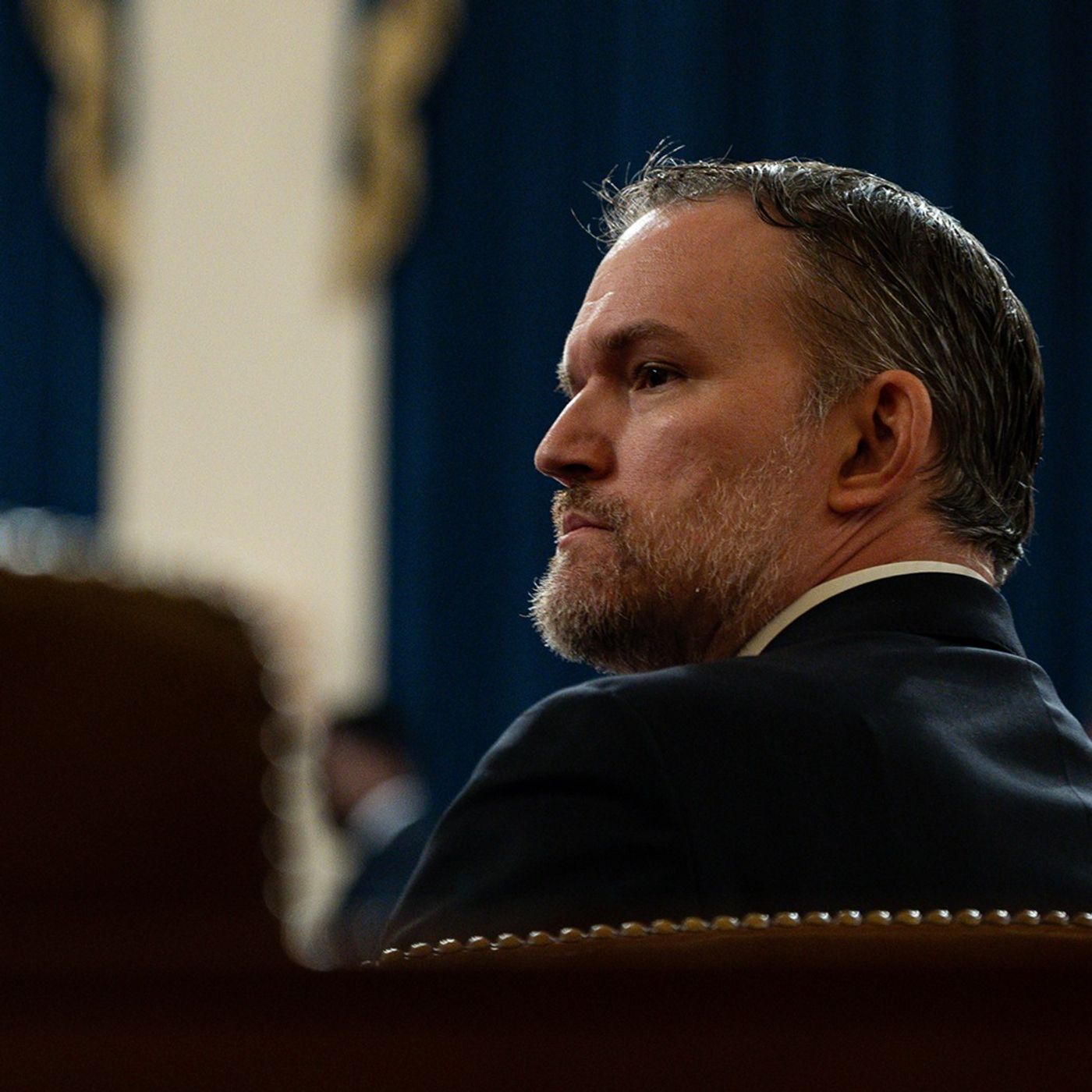
Overview of More Trump Tariffs Are Coming
This episode of The Daily examines why Trump trade officials, especially U.S. Trade Representative Jameson Greer, remain committed to tariffs despite legal setbacks, consumer frustration, and rising prices. The conversation traces Greer’s background, his intellectual evolution into a tariff hardliner, and the administration’s plan to roll out a new wave of tariffs designed to be more legally durable than the ones the Supreme Court struck down. The central tension: Greer says tariffs are “working,” while economists and polling suggest many Americans are paying the price.
Who Jameson Greer Is and Why He Matters
- Greer is portrayed as one of the most influential figures in shaping U.S. trade policy under Trump.
- Unlike more flamboyant Trump allies, he is described as:
- measured
- low-key
- deeply knowledgeable about trade law
- As U.S. trade representative, he helps provide the legal and strategic framework for the administration’s tariff agenda.
His background shaped his worldview
- Greer grew up in working-class Northern California, in places like Gridley and Paradise.
- He came from a modest household:
- mother: bank teller
- father: a series of blue-collar and service jobs
- He attended BYU, studied international relations, served as a military lawyer, and later worked at Skadden on trade cases.
- His early legal work defending U.S. manufacturers against cheap Chinese imports became foundational to his tariff skepticism.
Greer’s Core Argument for Tariffs
Greer’s view is that free-trade orthodoxy failed American workers and hollowed out U.S. industry.
What changed his thinking
- He saw U.S. steel companies struggling against subsidized Chinese competition.
- He concluded that:
- the trade system was too slow
- enforcement was too narrow
- foreign producers could easily work around restrictions
- In his view, tariffs are necessary because traditional trade remedies only produce limited, delayed relief.
His broader philosophy
- Greer argues the U.S. should not wait for multilateral consensus.
- He believes America must act unilaterally to protect:
- factories
- farms
- wages
- industrial capacity
- He frames this not as anti-foreign policy, but as “pro-America.”
The Trump Tariff Strategy, Round Two
The episode explains that after the Supreme Court struck down a major portion of Trump’s tariff regime, the administration is trying to rebuild it with a new legal foundation.
What’s coming next
- A new tranche of tariffs is being prepared around alleged forced-labor abuses.
- Another larger set is being built around claims of unfair trade practices such as:
- subsidies
- currency manipulation
- The goal is to make the tariffs more defensible in court and harder to overturn.
Greer’s view of the first rollout
- He says the aggressive rollout created leverage.
- He credits tariffs with helping the U.S. secure trade deals and concessions from partners including:
- the U.K.
- the EU
- India
- Japan
- Indonesia
The Debate Over Whether Tariffs Are “Working”
The conversation repeatedly tests Greer’s claim that the policy is succeeding.
Greer’s metrics for success
He says tariffs should be judged by three outcomes:
- more manufacturing as a share of GDP
- lower trade deficits
- higher real wages
The evidence he cites
- manufacturing wages and overtime are up
- some manufacturing indicators are improving
- the trade deficit with China has fallen
- wages have, at times, risen faster than inflation
The skepticism
The host pushes back with concerns that:
- manufacturing gains are modest or driven by other factors, like the AI/data-center boom
- inflation has increased
- consumers are paying more
- tariffs have not clearly brought back enough factory jobs yet
Tariffs, Inflation, and Public Opinion
A major part of the episode focuses on the political risk of tariffs in an affordability crisis.
What critics argue
- Studies from the Federal Reserve and others suggest consumers and businesses absorbed much of the tariff cost.
- The tariffs contributed to higher prices, especially on goods.
- Public approval of Trump’s economic management remains weak.
Greer’s response
- He rejects the claim that tariffs are driving inflation.
- He blames inflation more on:
- money supply
- energy shocks
- health care
- education
- He argues the Fed and mainstream economists have been wrong for years about trade.
Political reality
- Even if Greer dismisses the polling, the episode makes clear that many Americans associate tariffs with higher prices.
- That creates a major disconnect between administration messaging and public sentiment.
What This Means Going Forward
The episode ends on a larger point: even if future administrations want to reverse these policies, it may be hard to do so.
Why the tariffs may last
- The administration has layered tariffs across many industries and countries.
- Companies are already reshaping supply chains around them.
- The politics of repealing tariffs are complicated, especially once domestic industries benefit from them.
The broader legacy
- The Trump administration may have permanently changed the U.S. trade debate.
- Even if some tariffs are rolled back later, the episode argues that the political consensus around globalization has already been broken.
Bottom Line
- Jameson Greer is a quiet but central architect of Trump’s tariff policy.
- He believes tariffs are correcting decades of bad trade policy and protecting U.S. industry.
- Critics argue the policy is raising prices, straining alliances, and producing mixed economic results.
- The administration is not backing off; it is preparing a new, more legally durable round of tariffs.