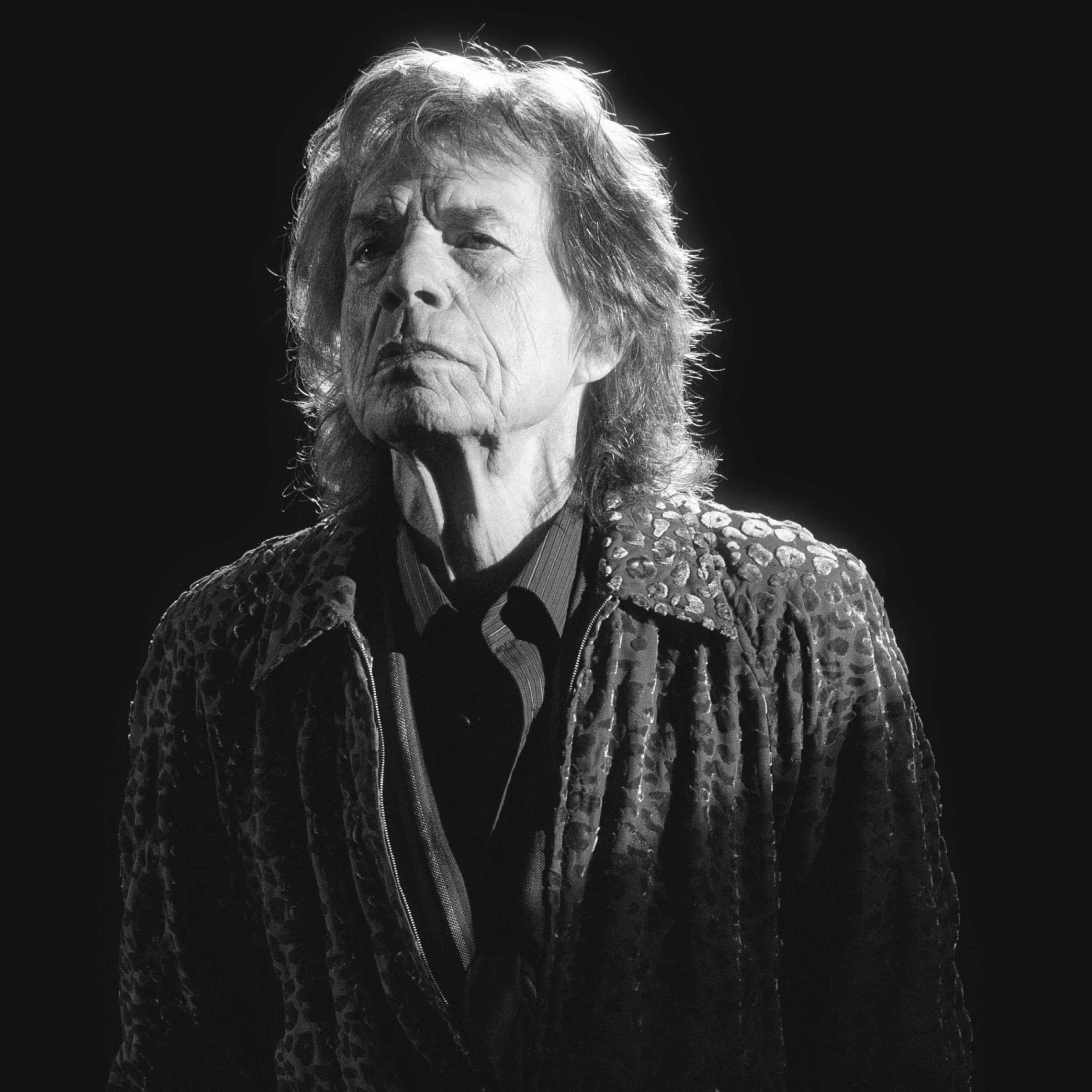
Overview of The Interview with Mick Jagger
In this New York Times conversation, Mick Jagger reflects on the Rolling Stones’ new album, his songwriting process, the meaning of aging and performance, and the possibility that he may have already played his last Stones show. The interview blends practical music talk with bigger questions about persona, sex, audience connection, and rock’s place in modern culture.
Key Takeaways
- The Stones are moving faster than usual: Jagger says the band got back into the studio quickly after Hackney Diamonds because they worked with producer Andy Watt and set a firm deadline.
- He sees songwriting as a mix of imagination and experience: Jagger emphasizes that songs are not always literal autobiographical confessions; they’re built from character, memory, and invention.
- Aging, in his view, is mostly a loss, not a gain: He jokes that there’s “nothing good” about aging, aside from maybe a few forgotten “pearls” of wisdom.
- He thinks about performance as a job of giving joy: Onstage, his goal is to create a shared experience where audiences forget their worries for a couple of hours.
- He’s uncertain about future touring: Jagger says he hopes the Rolling Stones will tour again, but he admits the band may have already done its last live show.
- Rock still matters, but genres are blurrier now: He argues that labels like “rock,” “folk,” or “rap” are often artificial and overly market-driven.
- He is still curious and still playful: Even at this stage of life, Jagger sounds engaged, self-aware, and amused by the mythology surrounding him.
Main Topics Discussed
Songwriting and the new album
Jagger talks about how the Rolling Stones’ latest material came together quickly compared with the 18-year gap before Hackney Diamonds. He describes a method of demoing songs first, then building from a pre-formed sense of what they should become.
He also explains that some songs on the album feel like:
- relationship songs
- songs of regret or insecurity
- songs with social or political commentary woven in
His view is that political lyrics work best in small doses inside pop music, not as the whole point of a song.
“Sway” and the creative process
Marchese opens with a personal question about the first line of “Sway.” Jagger says he simply made it up on the spot while waiting for Keith Richards to arrive late to a session. The story reinforces how improvisational his writing can be.
Persona vs. the real Mick Jagger
One of the interview’s central themes is the difference between:
- the stage version of Mick Jagger
- the interviewer version of Mick Jagger
- the private person underneath
Jagger agrees that decades of performing for huge crowds can make a person somewhat disassociated from everyday life. He says he counteracts that by doing normal things like walking around and going shopping, though he admits the effect of fame never fully goes away.
Aging and identity
Jagger rejects the idea that age automatically brings wisdom. He says older performers must move more carefully and think more consciously about how they use their energy. He compares performing to acting in different roles, noting that he inhabits different “characters” depending on whether he’s writing, recording, being interviewed, or performing live.
Sex, taste, and change over time
When asked how his thinking about sex has evolved, Jagger says it’s difficult to answer directly, but suggests that sexual attitudes and tastes naturally shift over a lifetime. He compares this to changing tastes in music, food, art, and alcohol.
The audience and live performance
Jagger explains that his real job is not just to entertain but to create a temporary community. He wants audiences to feel:
- energized
- involved
- free from daily stress
- part of something collective
He says different audiences behave differently depending on the venue and country, and his role is to meet them where they are.
Rock music’s current place in culture
Jagger argues that rock is no longer the dominant cultural force it once was, but it still has a strong audience and inspires young players. He compares the situation to other genres, suggesting that music categories are largely marketing tools rather than fixed artistic truths.
He also notes that today’s so-called “rock star” label is applied broadly to tech founders and other public figures, which both inflates and dilutes the original meaning.
The Rolling Stones’ future
The conversation turns to whether the Stones will tour again. Jagger says:
- he hopes so
- he is up for it
- he still likes touring and traveling
- residency-style shows are possible, but they can be harder for fans
He does not know whether he has already played his last Stones show, saying you never really know what the future holds.
Notable Moments
- On “Sway”: Jagger reveals the opening line was improvised while waiting for Keith Richards.
- On the band’s work ethic: He jokes that the deadline for Hackney Diamonds was “Valentine’s Day.”
- On aging: “There’s nothing good about it. Nothing.”
- On performance: His job is to help people “have the best time they possibly can.”
- On Elton... actually Elon Musk: Jagger explains that his “mad mogul” lyric was meant partly as a sideways compliment, not pure insult.
- On old Stones stories: He recalls a Stevie Wonder stage moment involving a mashup and custard pies.
Bottom Line
This interview presents Mick Jagger as thoughtful, witty, and still highly engaged with the mechanics of making music and performing it. The strongest themes are time, reinvention, and endurance: how to keep creating, how to keep performing, and how to remain both a public icon and a person. The emotional undercurrent is clear — even if Jagger doesn’t know whether the last Stones show has already happened, he still wants more time onstage.