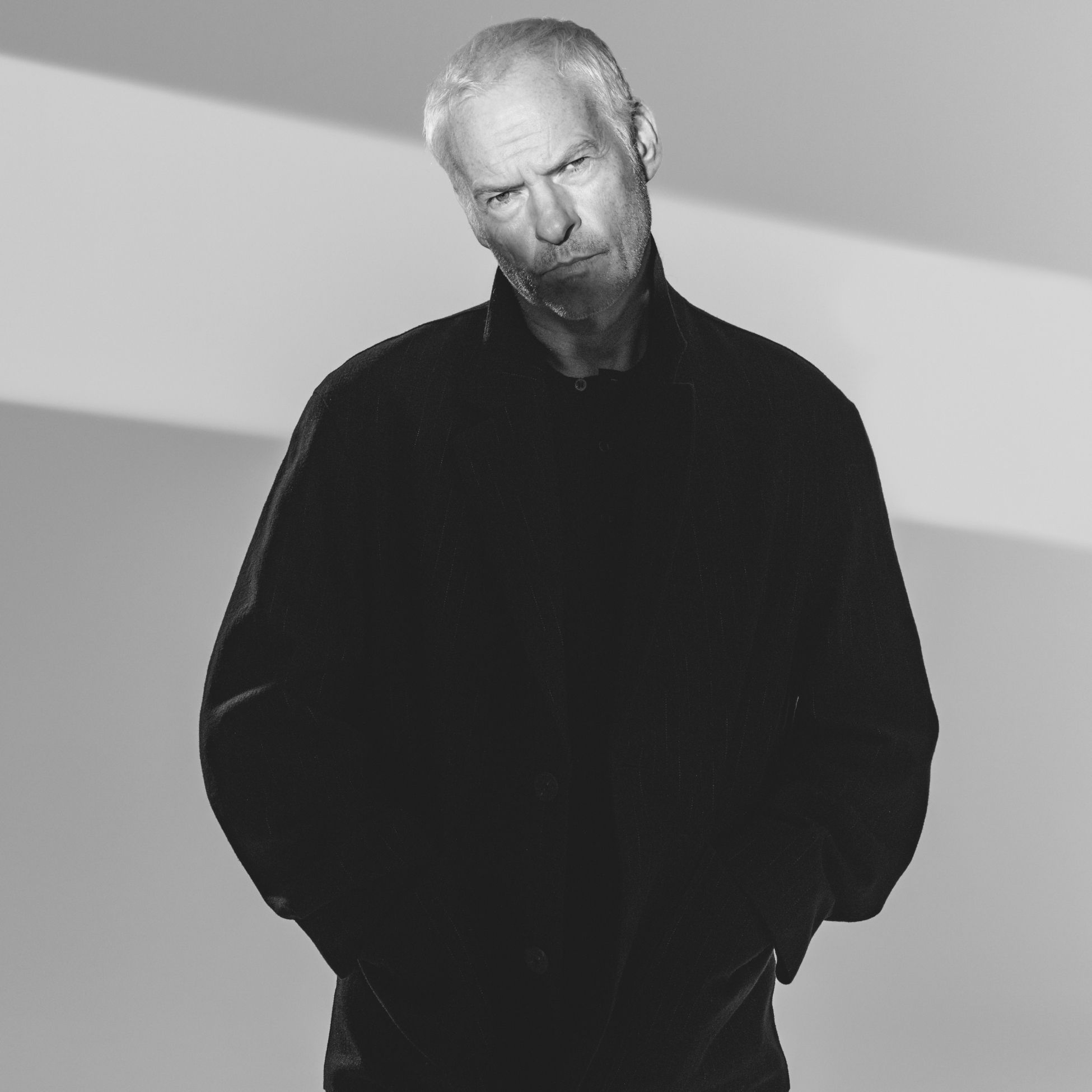
Overview of Martin McDonagh Has a Vision for Hope. It's Not for the Faint of Heart.
This New York Times Interview episode features David Marchese in conversation with filmmaker and playwright Martin McDonagh about his new film Wild Horse Nine, his approach to dark comedy, violence, provocation, politics, and the role of art. McDonagh argues that his work is more hopeful than it may seem on the surface: even when it’s bleak, it aims to question received wisdom, make audiences laugh, and leave behind something meaningful. The interview also touches on his punk-rock roots, his evolving relationship to controversy, his thoughts on legacy, and his partnership with Phoebe Waller-Bridge.
Main Topics Discussed
Wild Horse Nine and its political backdrop
- The film follows two CIA agents, played by Sam Rockwell and John Malkovich, involved in destabilizing Chile after Allende’s election.
- McDonagh says the film reflects a world in which Americans were often taught to see the CIA and the West as “the good guys.”
- He suggests that learning more about U.S. interference in Chile complicates that worldview.
Art, hope, and whether creative work can change anything
- McDonagh rejects the idea that his work is purely dark or nihilistic.
- He says making art is inherently hopeful, even when the subject matter is grim.
- He believes art may not directly change politics or stop violence, but it can still make the world better by adding beauty, truth, and perspective.
Provocation vs. offense
- He distinguishes between being provocative and being offensive:
- Provocative: surprising, challenging, or delightfully unexpected.
- Offensive: deliberately trying to hurt or attack an audience.
- McDonagh says his work aims for the former, not the latter.
Language, race, and criticism
- He reflects on criticism that his work has sometimes been racially insensitive.
- He says such critiques have made him think carefully about the language he uses, especially in older plays.
- At the same time, he resists retroactively changing plays written decades earlier, arguing that the language served the characters and the moment in which the work was made.
Violence in his work
- McDonagh says he has been criticized for gratuitous violence, though he does not see it that way.
- He explains that his early stage work was partly a reaction against the stiffness of traditional theater.
- He also says his later work has become less violent overall.
Male friendship and emotional depth
- He sees Wild Horse Nine as exploring a male friendship in the middle of its life, whereas The Banshees of Inisherin dealt with the end of one.
- He wants to portray male friendships as deep, open, affectionate, and emotionally complex.
- He contrasts that with the more surface-level way male friendship is often depicted in film.
Personal history, punk rock, and religion
- McDonagh talks about losing his Catholic faith around age 12 and becoming drawn to punk rock, especially The Clash.
- He says punk helped him question authority, institutions, and the idea that his life had to follow a predetermined path.
- He is strongly anti-religious and sees fundamentalism and anti-analytical thinking as worsening in the world.
Legacy and artistic ambition
- He says he thinks about legacy in terms of leaving behind good work.
- Unlike plays, which disappear after performance, films endure and can be revisited.
- That permanence makes filmmaking especially satisfying to him.
Awards season and Hollywood
- McDonagh says he has never cared much about awards in principle, but once a project is in the race, he finds the process entertaining.
- He jokes that his younger punk self would be skeptical of awards culture, but he enjoys the competition as long as it doesn’t distort the work.
Phoebe Waller-Bridge and mutual influence
- He praises Waller-Bridge’s Fleabag as “game changing” and says he learned a lot about storytelling, women, feminism, and love from it.
- He also notes that her admiration for The Pillow Man was meaningful to him.
Notable Takeaways
- McDonagh sees art as a form of optimism, even when it is dark, angry, or funny in cruel ways.
- He believes the most honest art often comes from questioning authority rather than accepting easy moral narratives.
- His work is increasingly interested in emotional complexity, especially around friendship, guilt, legacy, and history.
- He does not see himself as a political mouthpiece, but he is more willing now to acknowledge the political implications of his writing than he may have been earlier in his career.
Bottom Line
This interview presents Martin McDonagh as a filmmaker who is still drawn to provocation, but now frames it through a more reflective idea of hope. He defends the darkness, vulgarity, and violence in his work as part of a larger artistic project: to tell the truth as he sees it, make audiences laugh, and leave behind something lasting.