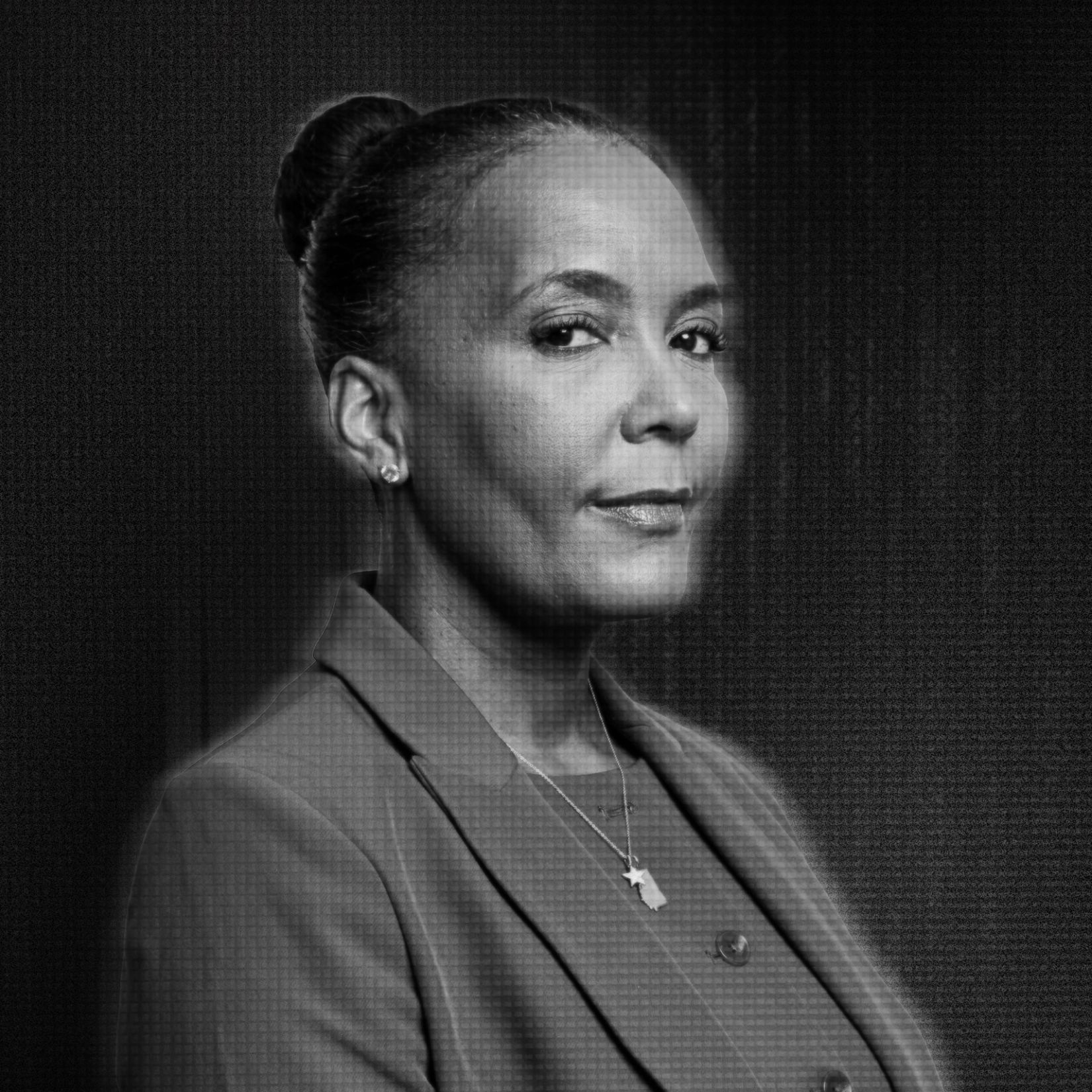
Overview of The New York Times’ Interview with Keisha Lance Bottoms
In this conversation with Lulu Garcia-Navarro, Keisha Lance Bottoms reflects on a major Democratic victory in Georgia, what it signals about the South, and what Democrats must do to turn a breakthrough election into lasting power. She discusses the issues that energized voters, her personal family history in Georgia, lessons from her time as Atlanta mayor, and the practical policy agenda she says must follow the win.
What the Election Means
Bottoms frames the result as a “blue tsunami” and a broader “seismic shift” in Georgia politics.
- Democrats won up and down the ballot, including major statewide offices and key legislative races.
- She says the coalition was broad: Black women and men, but also independents, Republicans, rural voters, and suburban voters.
- In her view, the decisive issues were not identity alone, but:
- affordability and cost of living
- access to health care
- voting rights and democracy
- frustration with disruption and political extremism
She argues that Georgia’s result shows voters were looking for practical leadership over partisan theater.
What Democrats Need to Do Next
Bottoms says Democrats can’t treat the win as symbolic; they have to deliver quickly and clearly.
Core lesson: listen and deliver
Her main warning is blunt:
- Democrats must keep listening to voters.
- They have to be honest about what they can and cannot do.
- If they don’t deliver, she says, “shame on all of us.”
Governing strategy
She says the path forward requires working across the aisle in a divided state government:
- find common ground where possible
- negotiate on issues that matter to both urban and rural communities
- avoid framing everything as “us vs. them”
- focus on results, not ideological purity
Policy Priorities She Highlights
Bottoms lays out a first-wave agenda centered on everyday needs:
- preparing state agencies for Medicaid expansion
- using the budget to reflect campaign priorities
- pursuing executive actions where possible
- eliminating the grocery tax
- fully funding schools
- making sure children have access to pre-K
- working to reverse Georgia’s six-week abortion ban
- restoring reproductive rights
- expanding access to mental health care
- helping young people prepare for an AI-shaped job market
Identity, Authenticity, and the Democratic Message
A major theme is how to talk about race and gender in politics.
- Bottoms says she was not “running because [she was] a Black woman.”
- Her identity was always part of her life, but not the centerpiece of her campaign.
- She argues voters responded more to authenticity and competence than to labels.
- She suggests that in a time of economic strain, people care less about who you are and more about whether you can help them.
She also notes that while historic representation matters, it shouldn’t overshadow the issues that actually moved voters.
Family History and Personal Meaning
Bottoms describes the victory as deeply personal because of her family’s history in Georgia.
- She visited Crawfordville, Georgia, the day before the election.
- There, she found the grave of Betsy Peek, her great-great-grandmother’s relative, in a cemetery with many unmarked graves.
- The moment connected her to ancestors who had been enslaved in Georgia.
- She says it felt like her ancestor was telling her, “You are standing on shoulders made of steel.”
The visit reinforced for her that the campaign was not just historical; it was part of a multigenerational family journey.
Her Father’s Influence and the Origins of Her Resilience
Bottoms also reflects on her father, Major Lance, and how his life shaped her.
- He was a successful singer with deep roots in hardship, born on a sharecropper’s farm and raised in Chicago public housing.
- She describes him as a showman who encouraged her ambition and self-belief.
- She also talks candidly about his addiction and imprisonment when she was eight.
That experience gave her:
- empathy for people who make mistakes
- a belief that people are more than their worst day
- emotional resilience
- a “heart for people” that shaped her public life
Lessons from Being Mayor During Crisis
Looking back on her time as Atlanta mayor, Bottoms says she learned the danger of reacting too fast in chaos.
Key lessons:
- slow down before making major decisions
- trust your instincts
- accept that not every decision will be perfect
- learn to govern in uncertain, high-pressure moments
She says the pandemic and racial justice protests were a formative period that taught her how government works under stress.
Why She Stepped Away From Office
Bottoms explains that leaving office was important personally and professionally.
- Her father died at 55, and she feared following the same path.
- During the pandemic, she realized how little time she was spending with her children.
- Stepping back gave her space to reassess priorities.
- She says she does not regret that decision, and it ultimately created the conditions for her next political chapter.
Young Voters and the Future
Bottoms says young people are one of her biggest concerns and one of her biggest priorities.
She says young people are asking about:
- mental health support
- the cost of living
- whether education is worth the cost
- what AI will mean for jobs and careers
Her response includes:
- expanding mental health services
- helping students build career-ready skills
- preparing kids for an economy reshaped by technology
Final Takeaway
Bottoms’ message is that Democrats should not confuse a winning election with a finished project. The victory in Georgia, in her view, only matters if leaders translate it into tangible improvements in people’s lives.
Main takeaway in one sentence:
The win was historic, but Bottoms says the real test is whether Democrats can govern pragmatically, stay connected to voters, and deliver real help on affordability, health care, education, and rights.