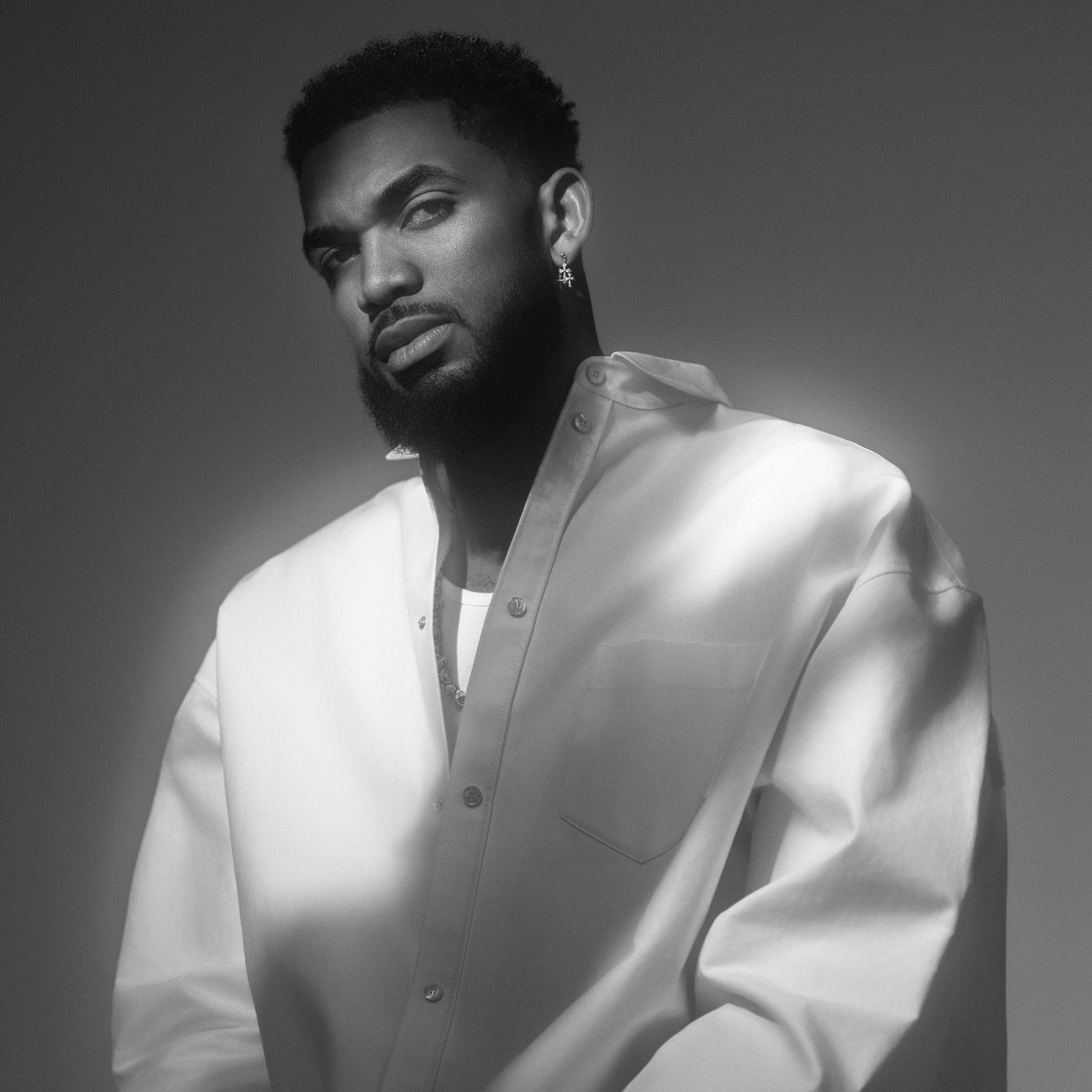
Overview of Karl-Anthony Towns Knows the Knicks' Win Was Bigger Than Basketball
In this interview, New York Knicks star Karl-Anthony Towns reflects on the team’s long-awaited championship, the emotional weight of helping end a 53-year title drought, and how the win resonated far beyond basketball. He discusses the comeback mentality that powered the playoffs, his role in the team’s offense, the personal meaning of playing for his late mother, and the experience of being traded back to his home region. Throughout, Towns comes across as candid, humorous, and deeply aware of the larger impact the title had on New York fans and his own life.
Key Takeaways from the Championship Run
The Knicks’ title still feels surreal
- Towns says he still “can’t believe” the Knicks won the championship.
- As a lifelong Knicks fan from New Jersey, he describes it as an honor to be part of the team that ended a 53-year drought.
- He emphasizes that the city earned the right to call itself champion.
Game 4 became the defining comeback
- Towns revisits the Finals game in which the Knicks fell behind by nearly 30 points.
- He says the team was “getting our ass kicked” early, but trusted its playoff experience and stayed aggressive.
- He believes the turning point came once the deficit got back into manageable range in the second half.
OG Anunoby’s tip-in was a legendary moment
- Towns describes the game-winning play as one he was ready to finish himself if needed.
- Instead, he watched OG Anunoby crash the glass for an offensive rebound and tip-in.
- He calls it one of the greatest plays in Knicks history and one of the biggest in NBA Finals history.
Personal Meaning and Motivation
He played with his mother in mind
- Towns speaks movingly about his mother, who died from COVID-related complications in 2020.
- He says the championship represented the sacrifice he made to dedicate his life to basketball.
- Winning, in his view, was a way to honor her and make her proud.
The title was also for his family and wife
- He says celebrating with Jordyn Woods was especially meaningful because she was the closest woman in his life who understood the journey.
- He also credits his father for being present throughout his career.
- Towns describes the moment as a testament to their love and support.
He sees the championship’s impact in the city
- Towns says the win brought joy to families across generations.
- He’s seen reactions from grandparents, parents, and children sharing the title experience.
- For him, the most special part was helping restore hope to New York.
Team Dynamics and Coaching
Mike Brown and Tom Thibodeau both mattered
- Towns is careful not to diminish Thibodeau’s role, crediting him with building the foundation.
- He says Mike Brown added flexibility, different combinations, and “swag and flavor.”
- Towns praises Brown’s ability to make the right lineup decisions at the right time.
The offense shifted around Towns as a hub
- He explains how the team used him more like a central playmaking hub, similar to how Denver uses Nikola Jokić or Sacramento uses Domantas Sabonis.
- The adjustment created easier passing lanes and relieved pressure from Jalen Brunson.
- Towns says he had wanted that role all season and felt trusted by teammates and coaches.
The team’s identity was built on aggression and trust
- Towns says the Knicks weren’t trying to protect leads; they were trying to build them.
- That mentality, he argues, is what helped them survive difficult playoff moments.
- He believes the team’s confidence and chemistry were crucial to the title.
Towns as a Player: Competitiveness, Defense, and Confidence
He embraces his competitive edge
- Towns says he was even more aggressive as a younger player.
- Growing up playing against older kids taught him to compete physically and creatively.
- He learned to pair finesse with toughness and to channel aggression productively.
He pushed back on criticism of his defense
- Asked about his tendency to pick up fouls, he jokes that he’s “being physical” and reacting to the game.
- He notes that the Knicks were a top-three defense, suggesting his defensive play mattered.
- The exchange shows his mix of humor and self-confidence.
He is openly emotional and unapologetically himself
- Towns says he doesn’t try to perform a different personality for the media.
- He believes his mother taught him not to dim his light for others.
- He sees honesty and vulnerability as part of who he is.
Trade, Homecoming, and Career Journey
Getting traded changes everything
- Towns describes a trade as an abrupt life disruption, not just a basketball move.
- He contrasts the stability of life in Minnesota with the upheaval of relocating and changing routines.
- Still, he says being traded to the Knicks was the best possible outcome for him and his family.
New York felt like a homecoming
- He grew up in New Jersey and had long admired the Knicks.
- The move was especially meaningful because it connected him to his roots and his father’s history with the game.
- Jordyn Woods also loved New York before the trade, which made the transition easier.
He learned discipline from Kevin Garnett
- Towns says Garnett has been a major mentor.
- He highlights routine, fundamentals, and intensity as the biggest lessons.
- He also notes their competitive relationship and constant trash talk in practice.
Relationships, Public Image, and Family Legacy
Jordyn Woods helped shape his growth
- Towns says Woods has taught him a lot about himself, patience, and personal growth.
- He credits her with helping him become better both personally and publicly.
- Their long friendship before romance is framed as the foundation of their relationship.
The “lucky bag” became part of the title story
- Woods’ handbag, which became associated with the championship run, was displayed at the Guggenheim.
- Towns jokes that the bag is a “she” and deserves to retire at home after its museum/fan-festival run.
- The story reflects how the title spilled into pop culture and New York life.
He values family and legacy
- Towns talks about his parents as the source of his character and respect.
- He says he wants his children to be respected people above all.
- The interview frames his success as a continuation of his family’s sacrifices.
Looking Ahead
Back-to-back is the goal, but not the expectation
- Towns says the team plans to try to repeat, but knows opponents will be ready for them.
- He expects the Knicks to have to find another level.
- Even so, he insists the team will keep an underdog mentality.
The larger message of the title
- Towns repeatedly returns to the idea that the championship meant more than sports.
- For him, it represented hope, community pride, family memory, and validation.
- The Knicks’ title, he suggests, was a city-defining moment as much as a basketball one.