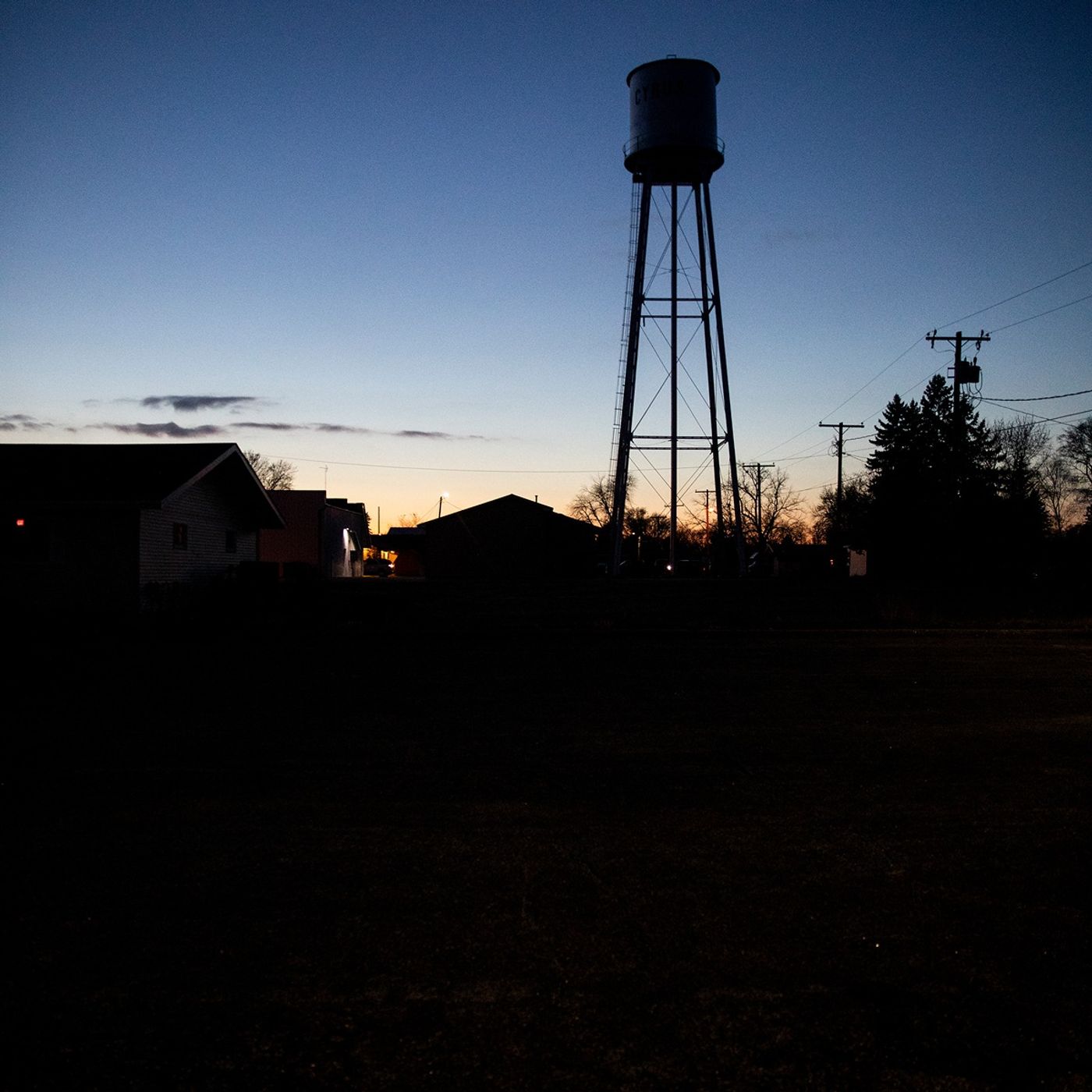
Overview of The Daily: Is America’s Drinking Water the Next Front in the Iran War?
This episode examines a wave of cyber intrusions targeting municipal water systems across the U.S., which New York Times reporting says is likely linked to Iran. The discussion focuses on how the hackers gained access through basic internet-exposed systems, what they did once inside, and why these incidents expose a long-running vulnerability in America’s critical infrastructure. The episode also explores the political and institutional gaps that make water systems especially hard to defend.
Key Takeaways
- A suspected Iran-linked hacking campaign targeted water systems in at least a dozen states and more than 100 municipalities.
- The immediate access method was surprisingly simple: attackers found internet-connected computers used by utilities for remote management.
- The more alarming part was what they did after getting in: they reportedly disabled internal safety/alert systems that would normally warn operators about problems.
- No public evidence says drinking water was actually contaminated, but officials treated the situation as a serious warning shot.
- The episode argues this is not a new problem—U.S. officials have warned for years that water infrastructure is underprotected.
- Federal and state responses remain constrained by limited funding, fragmented ownership, and political conflict.
What Happened in the Hack
Timeline of the incident
- Early in the conflict with Iran, federal agencies warned that Iranian-linked hackers were probing U.S. critical infrastructure.
- By mid-July, those warnings were updated to say the hackers were actively breaking into systems.
- Within days, Minnesota utilities publicly reported widespread intrusion attempts, and the issue quickly expanded to other states.
How the hackers got in
- The attackers used basic internet scanning to locate exposed computers tied to water system operations.
- These systems are often used by small utilities so staff can remotely manage pumps, pressure, and chemical controls.
- The episode emphasizes that poor “cyber hygiene” and exposed remote-access tools created an easy entry point.
What made the activity more concerning
- Once inside, the hackers reportedly tampered with safety mechanisms and alert systems.
- That meant local operators might not have been immediately notified if something was wrong with water chemistry or pressure.
- Authorities responded with precautionary measures, including advising utilities to disconnect systems from the internet where possible and prepare for manual controls.
Why This Is a Big Deal
It targets something essential
Water systems are not just another piece of infrastructure; they directly affect drinking water, sanitation, pressure, and public health.
The exposure is widespread
- The U.S. has roughly 150,000 public water systems, many of them small and underfunded.
- A lot of these systems run on aging technology with limited cybersecurity staffing.
The threat is familiar, but the response is weak
- Officials have warned for years that foreign adversaries could use cyber access to pre-position inside critical systems.
- The episode points to a long history of warnings without a durable fix.
Historical and Policy Context
Previous warning signs
- The episode references a 2013 Iranian-linked intrusion into a small dam near New York City, which helped show that foreign cyber activity could touch physical infrastructure.
- That case did not lead to disaster, but it demonstrated the plausibility of these attacks.
Failed or limited reform efforts
- A Senate effort led by Susan Collins and Joe Lieberman to establish cybersecurity standards for infrastructure did not pass.
- The Biden administration’s EPA tried to impose minimum cybersecurity guidelines for water facilities, but faced legal resistance from Republican-led states and industry groups.
CISA’s role—and its problems
- The Cybersecurity and Infrastructure Security Agency (CISA) is supposed to help states defend critical infrastructure by sharing intelligence and guidance.
- The episode notes that CISA has been weakened by staffing cuts, reduced funding, and the lack of a Senate-confirmed leader.
- Even so, CISA remains a lead agency in the response.
Political Angle
- President Trump dismissed the idea that Iran was responsible and instead blamed Minnesota officials.
- The episode highlights how cybersecurity threats are easily pulled into partisan fights, even when they involve national security.
- It also underscores the irony that CISA was created under Trump’s first administration, but has since been significantly reduced under his second.
Why Iran Might Hold Back
The conversation closes on why a foreign adversary might not escalate to the point of contaminating drinking water:
- Doing so could trigger a major U.S. and international backlash.
- Iran may want to keep such tools in reserve as leverage.
- The episode also compares this to China’s reported pre-positioning inside U.S. infrastructure, suggesting this is part of a broader strategic pattern among adversaries.
Bottom Line
The episode’s central warning is that America’s drinking water is a real cyber vulnerability, not a hypothetical one. The current hacks did not publicly result in contaminated water, but they demonstrated how easily attackers can get into outdated, internet-connected systems and disable safeguards. The bigger story is less about a single breach and more about how underprepared the U.S. remains to protect one of its most basic public services.